Les dernières "maisons-bulles" de Dakar résistent à l'urbanisation galopante
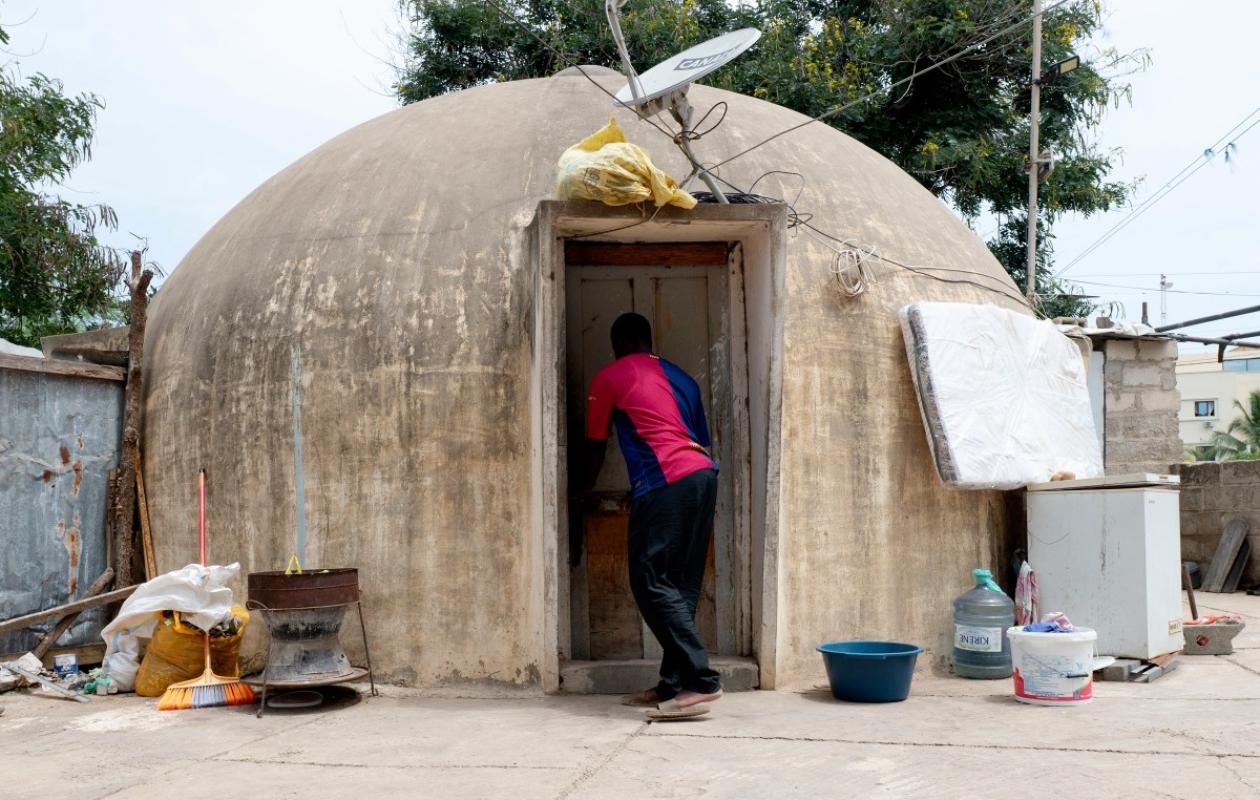
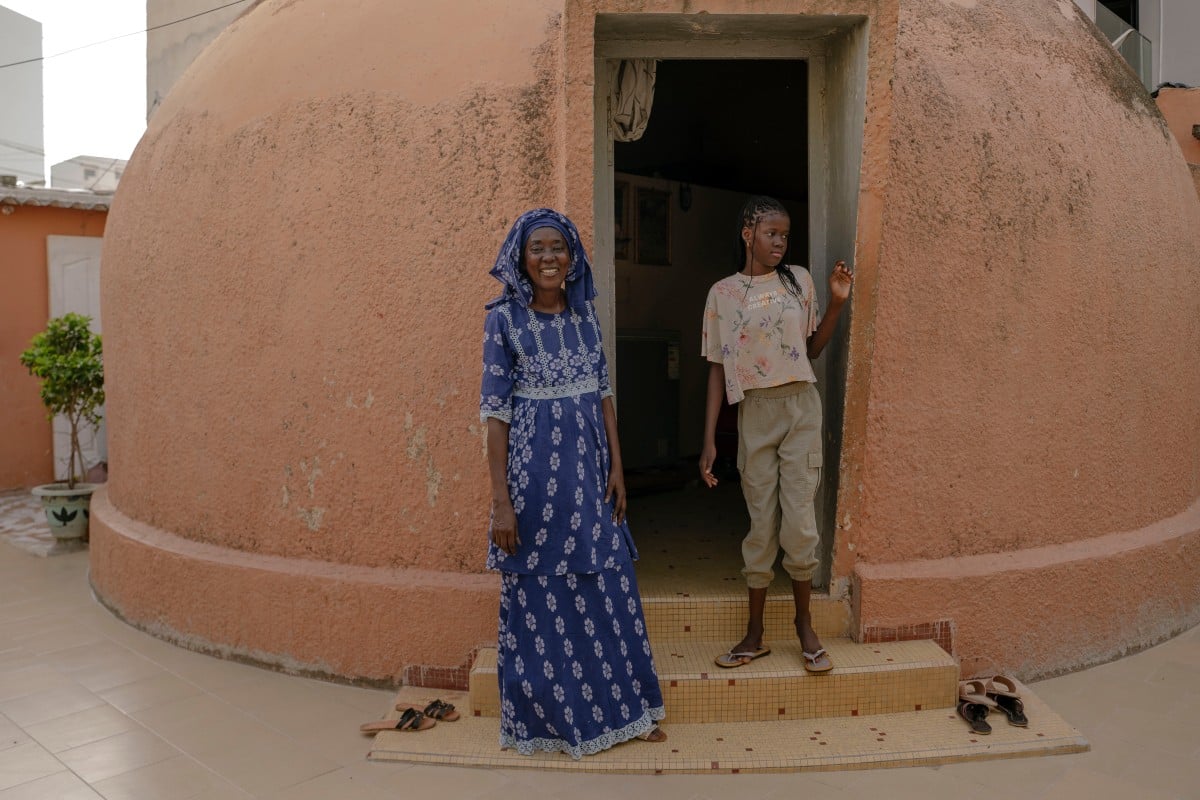
Marième Ndiaye emerges from her home in Dakar, an igloo-shaped building with a 1950s retrofuturistic aesthetic. In this central district of the Senegalese capital, the building's singularity contrasts with the neighboring rectangular buildings under construction.
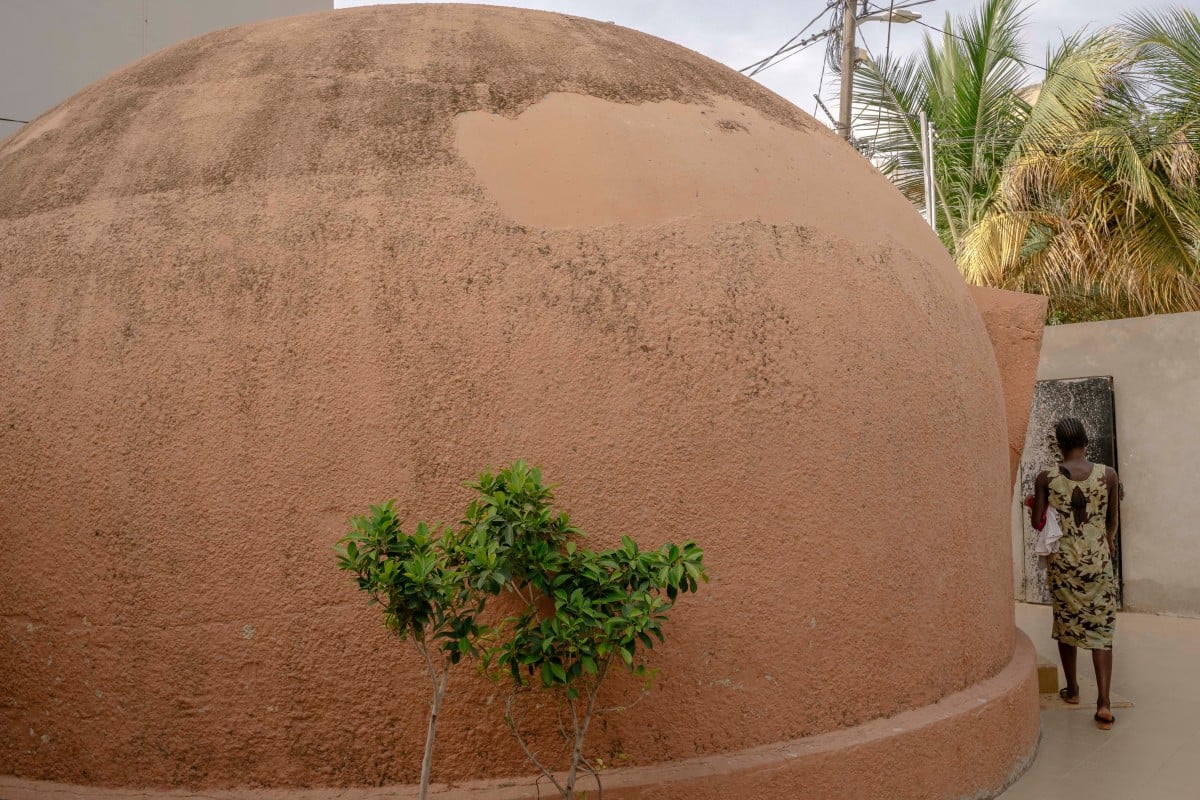
The small concrete "bubble house" - or "balloon house" - is eye-catching and looks like it came straight out of a science fiction film.
In the 1950s, some 1,200 of these small dwellings were built in several neighborhoods of Dakar to counter a housing shortage after the Second World War. They were constructed by spraying a giant balloon with shotcrete, which was then deflated.
Row upon row, these light-colored domes, which could be built in 48 hours, quickly emerged from the brownish Sahelian soil.
Conceived by an American architect, then launched by the French colonial authorities, these constructions intended for the Senegalese population of Dakar received a mixed reception: Senegalese families, traditionally large and multi-generational, quickly felt cramped there.
But the land on which they were built quickly increased in value, arousing great covetousness. Today, only about a hundred of these homes survive, the others having succumbed to Dakar's rampant urbanization.
"It's sentimental"
Without historical or architectural societies to preserve them, the small igloos have no other main protectors than their last inhabitants.
"When I was little, we only had balloon houses" in this Zone B neighborhood, says Marième Ndiaye, who grew up there and still lives there.
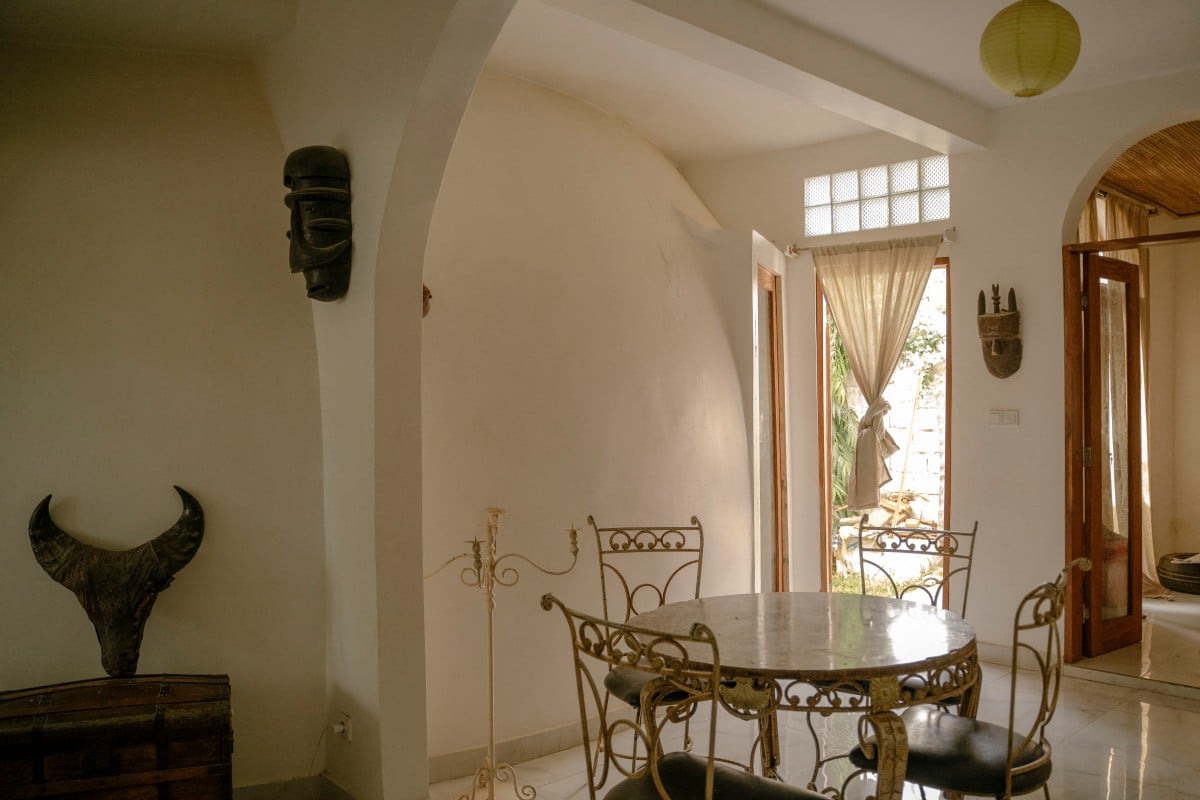
"We're destroying the balloons, transforming them," laments the 65-year-old retiree, whose bubble house remained intact, while her younger brothers wanted to tear it down and build something else. "For me, it's sentimental," she confides.
The reasons for residents to preserve their bubble houses are varied, Dakar architect Carole Diop explained to AFP. But "unfortunately, many families who could afford it ended up demolishing their bubble to build a new apartment building."
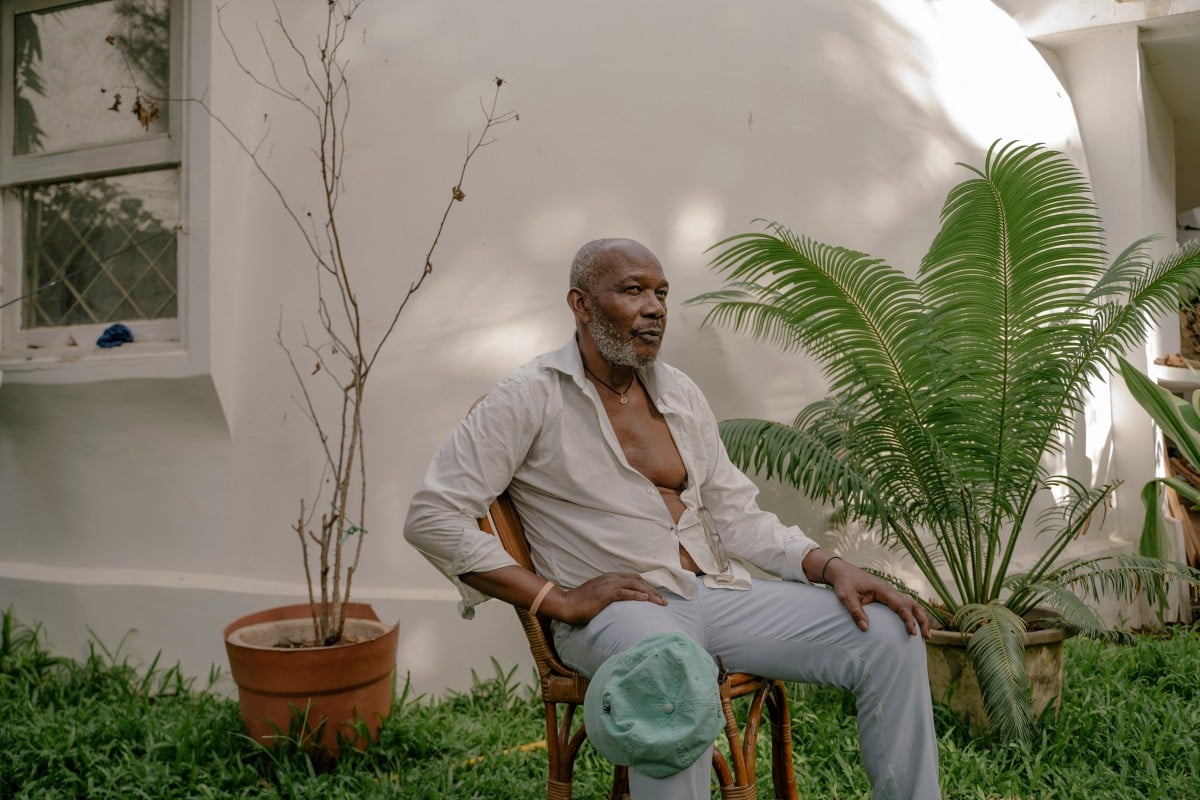
Many of the surviving balloon houses have been modified to better suit the needs of Senegalese households.
With an average diameter of just six meters, a standard bubble house like Ms. Ndiaye's included a bedroom, a living room and a bathroom, according to Carole Diop.
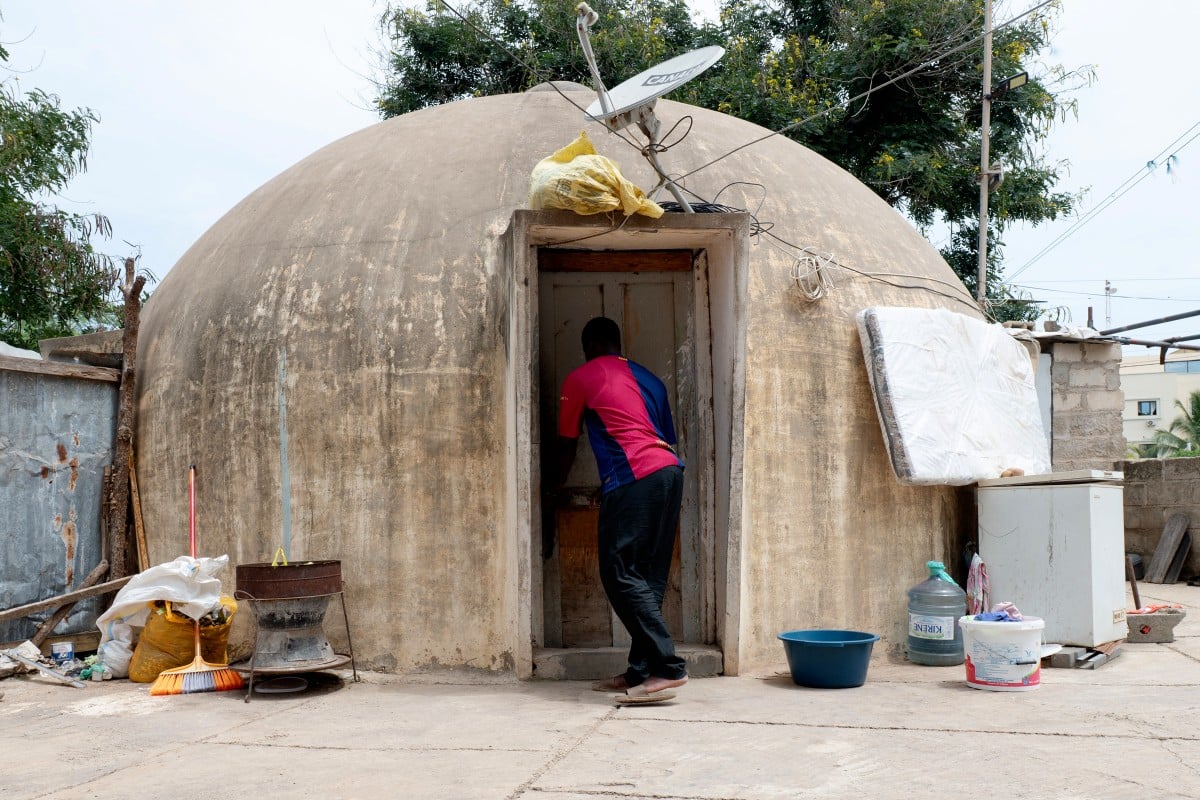
In building them, the French colonial authorities did not take into account the size of a traditional Senegalese family, the architect points out, and "many families adapted and found ways to meet their need for space," notably by building extensions.
Marième Ndiaye's bubble house, purchased by her father in the 1950s, is now part of a large family compound where she lives with half a dozen relatives spanning several generations. The bubble house sits in the middle of the compound's square courtyard, where other rooms have been arranged along the perimeter walls.
"something extraordinary"
Although balloon houses can become hot when exposed to direct sunlight, despite the presence of a vent on the roof to evacuate hot air, Ms. Ndiaye insists that hers is comfortable.
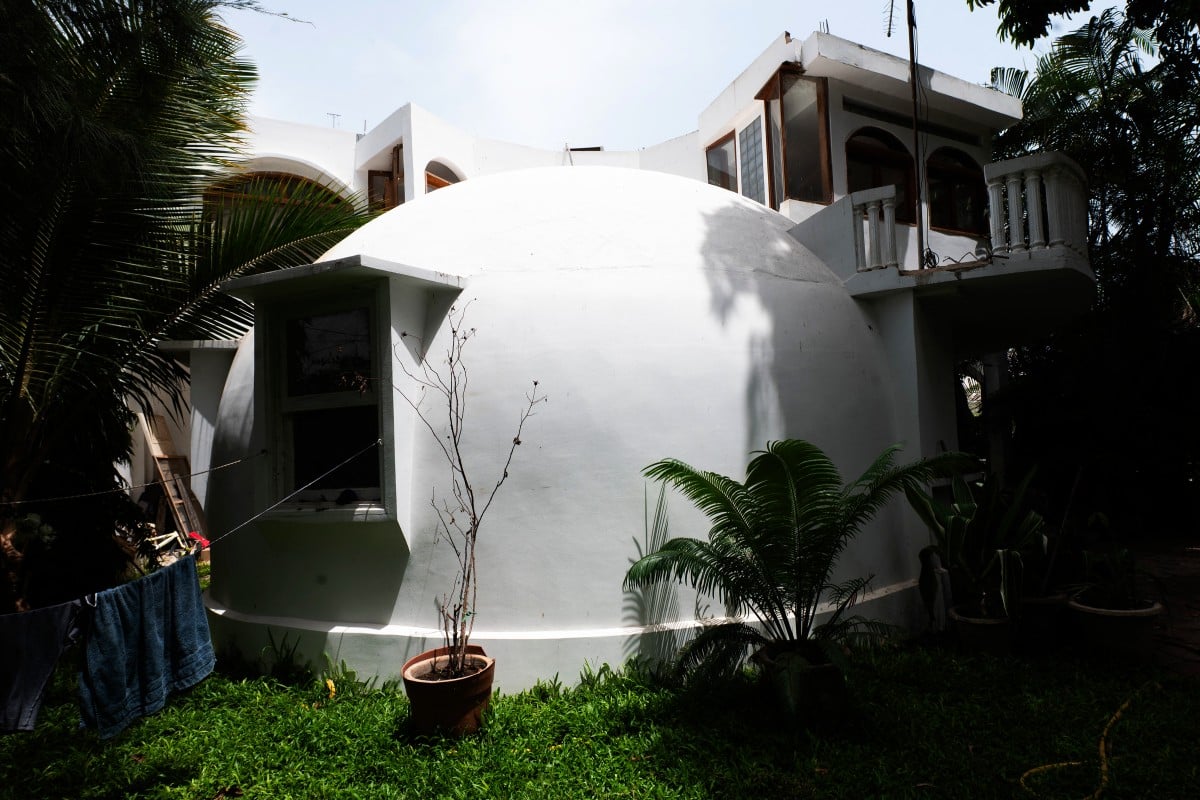
A 10-minute walk away, Sekouna Yansane recently built a large house next to the bubble house his father bought in the 1950s. He incorporated the dome into the vast building, making it a room that protrudes from one side.
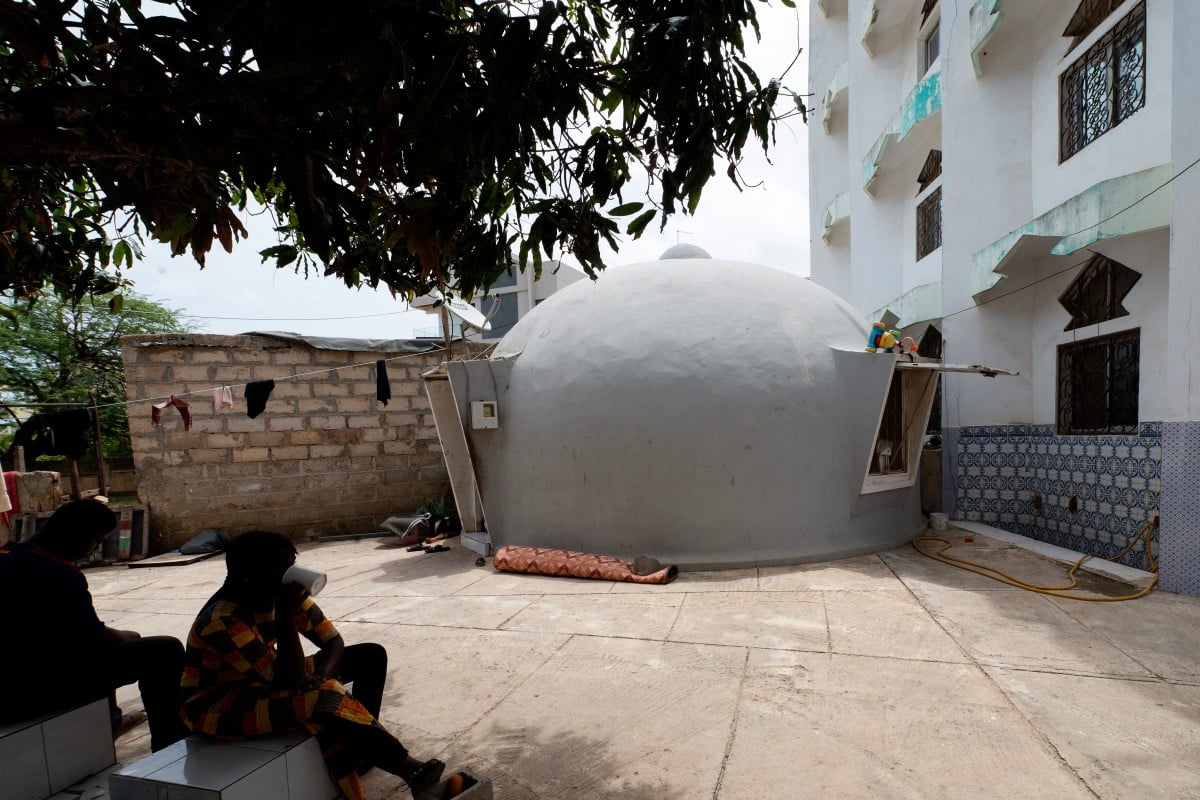
As an artist, he was reluctant to leave the small building in the hands of property developers.
"I find it very unusual, I love it," exclaims the 65-year-old man, "it reminds me of when I went to Mongolia, the yurts."
His immediate neighbors, on the other hand, have demolished their balloon. "Why destroy them? These are things we should keep," says Mr. Yansane, for whom a good house always has "character."
American architect Wallace Neff, who invented the bubble house, is best known for his Spanish Colonial-style buildings and the residences he designed for Hollywood stars like Judy Garland and Groucho Marx. But he considered the bubble house to be his greatest contribution to architecture.
"At the rate at which the city is becoming denser and evolving, I think that unfortunately in 100 years, there will be no more balloons," says Carole Diop when asked about this.
Sekouna Yansane, for his part, hopes that they will survive: in which case, "it will be something extraordinary."





















Commentaires (25)
Rasez moi ça et vite!
Il en reste toujours
Participer à la Discussion
Règles de la communauté :
💡 Astuce : Utilisez des emojis depuis votre téléphone ou le module emoji ci-dessous. Cliquez sur GIF pour ajouter un GIF animé. Collez un lien X/Twitter ou TikTok pour l'afficher automatiquement.