Bénin: le gouvernement affirme avoir déjoué un coup d'Etat, calme à Cotonou
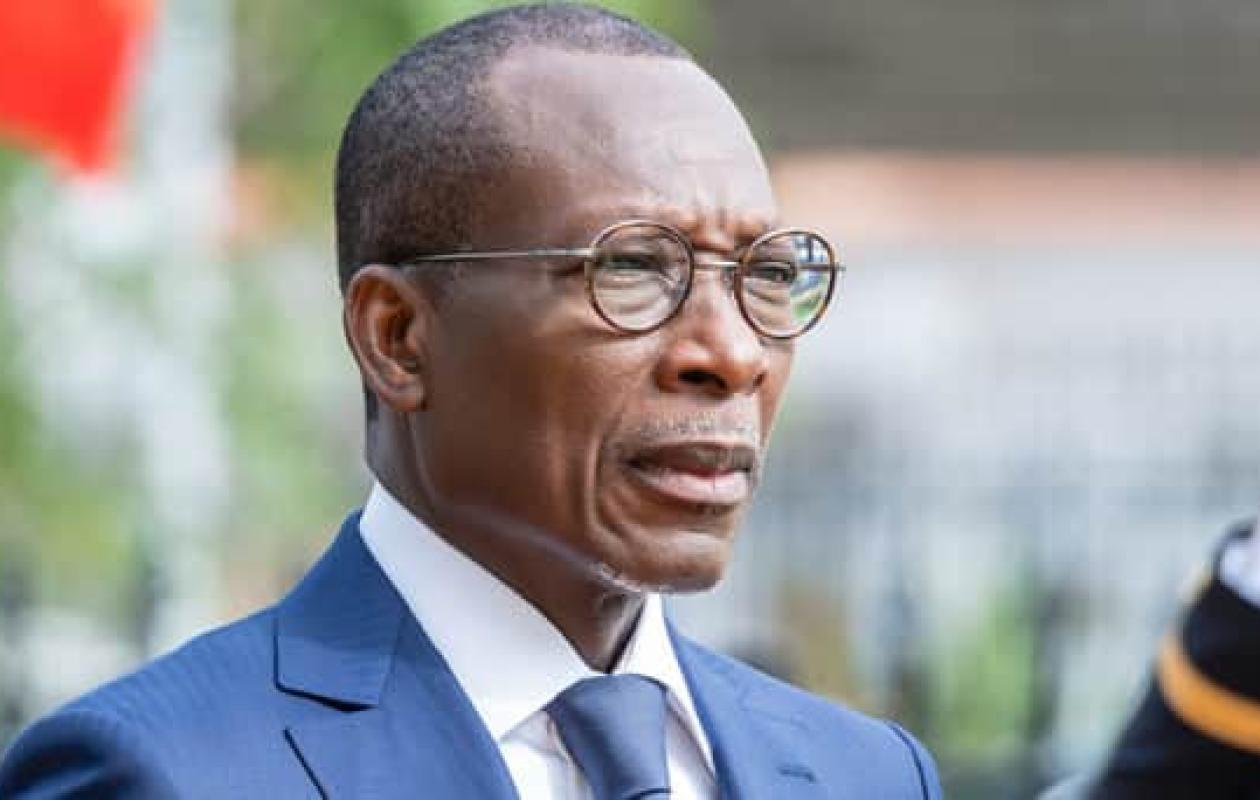
Benin authorities claimed on Sunday to have foiled a coup, a few hours after soldiers appeared on television in the morning claiming to have deposed President Patrice Talon.
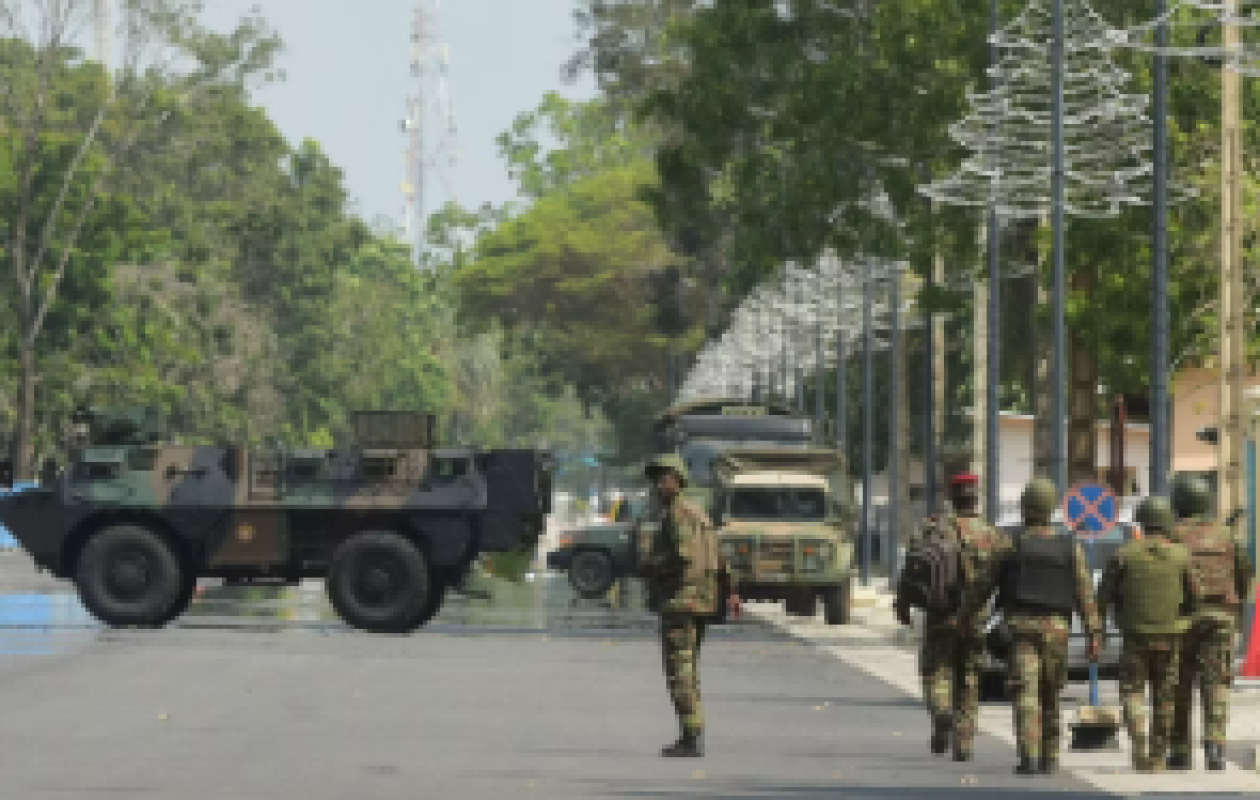
Cotonou, the economic capital of Benin where many institutions are located, including the presidency of the Republic, was calm Sunday afternoon and the inhabitants went about their business.
Only the presidential quarters and the nearby military camp of Guézo remained blocked by security forces, AFP journalists observed.
Mr. Talon is due to hand over the reins in April during a presidential election, after two terms at the head of this small West African coastal country with solid economic growth, but plagued by deadly jihadist violence in its northern part.
This attempted coup comes in a West Africa shaken by political instability since the beginning of the decade with coups in Mali, Burkina Faso and Niger - two neighbours of Benin - as well as in Guinea and more recently, at the end of November, in Guinea-Bissau.
According to a government source contacted by AFP on Sunday afternoon, President Patrice Talon "is doing well" and the situation is "under control".
- situation "under control"
In the morning, after shots were heard around the presidential palace, eight soldiers presenting themselves as the "Military Committee for Refoundation" (CMR) announced on public television that they had overthrown the head of state.
They had proclaimed Lieutenant-Colonel Pascal Tigri "president of the CMR" and justified their attempted takeover by the "continuous deterioration of the security situation in northern Benin", the "neglect of soldiers who fell at the front and their families left to their fate", as well as by "unfair promotions to the detriment of the most deserving".
They also denounced a "disguised challenge to fundamental freedoms" by the government.
A few hours later, the Beninese Minister of the Interior, Alassane Seidou, appeared on national television to assure that the coup had been foiled.
"Faced with this situation, the Beninese armed forces and their hierarchy, faithful to their oath, remained republican. Their response made it possible to maintain control of the situation and to thwart the maneuver," he affirmed.
President Talon's entourage quickly told AFP that he was safe and that the army was regaining control of the city.
A military source confirmed that the situation was "under control" and that the coup plotters had not taken "either the home of the head of state" or "the presidency of the Republic."
According to military sources speaking to AFP, a dozen soldiers have been arrested. Among them are the perpetrators of the attempted coup, a security source confirmed.
- "Fright" -
"We just want peace to be preserved in Benin. All we ask is stability. The coup was foiled, thank God. But we need to think about what to do so that this kind of thing doesn't happen again," Adam Aminou, a vendor in Benin's economic capital, told AFP.
"It was a few minutes of fear. We really believed, seeing the declaration looping on TV, that it was really a coup and that our country was going to fall like some of our neighbors," adds Jennifer Adokpéto, a retired teacher.
The African Union (AU) condemned "firmly and unequivocally" this attempted coup, calling on "all actors involved to immediately cease all illegal actions".
For its part, the Economic Community of West African States (ECOWAS) also "firmly" condemned an "unconstitutional action which constitutes a subversion of the will of the Beninese people", saying it "supports the government and the (Beninese) people by all necessary means, including the deployment of the regional standby force".
Benin's political history has been marked by several coups or attempted coups, but the last one dates back to 1972.
Patrice Talon, in power since 2016, will reach the end of his second term in 2026, the maximum allowed by the Constitution.
His designated successor, the current Finance Minister Romuald Wadagni, is considered the overwhelming favorite for the presidential election in April 2026, as the main opposition party has been excluded from the race.
"There has been a noticeable tension in the country for months because of the elections," points out Anatole Zinsou, an IT specialist in Cotonou who deplores the "exclusion" of certain actors from the electoral processes.
Although praised for Benin's economic development, Patrice Talon is regularly accused by his detractors of having taken an authoritarian turn in a country once lauded for the dynamism of its democracy.

















Commentaires (0)
Participer à la Discussion