
Madjiguene Diop : « Le travail des enfants reste le défi le plus préoccupant »
On this November 20, 2025, World Children's Rights Day, Madjiguene Diop, Coordinator of the Child Protection Support Unit at the Ministry of Family, Social Action and Solidarity, speaks to Seneweb about the historical significance of the 1989 Convention, the persistent challenges – particularly child labor – and the progress brought about by the current political commitment in Senegal.
Madam Coordinator, why is November 20th such an important date for children's rights?
November 20th is a pivotal date. It was on this day in 1989 that the United Nations General Assembly adopted the Convention on the Rights of the Child, a landmark text that recognizes children as individuals with rights. Senegal has ratified this Convention, which is based on four key principles: non-discrimination, the best interests of the child, the right to survival and development, and respect for the child's voice, which is too often ignored. "On November 20, 1989, humanity recognized the child as a person in their own right." Even today, this text remains the guiding principle for all public policies concerning child protection in our country. Child labor remains a sensitive issue.
What is the current reality in Senegal ?
Indeed, child labor remains one of the most pressing challenges. It is primarily fueled by several factors: poverty, which compels some households to rely on children's economic contributions; deeply entrenched social and cultural norms; a still-fragile education system, marked by school dropout rates and inadequate educational opportunities; and economic dynamics, particularly in mining areas. In certain regions of the Southeast, the phenomenon is escalating. Children there are exposed to serious physical risks, economic exploitation, and sometimes much more severe forms of violence. Even if official data is not always available, the realities on the ground are visible and alarming.
What responses has the State put in place to combat these violations of children's rights?
Senegal has deployed a robust legal, strategic, and operational framework. Strategically, several frameworks guide interventions: the National Child Protection Strategy (SNPE), the National Social Protection Strategy (SNPS), the National Plan to Combat Child Sexual Abuse and Exploitation, and the 2024-2028 Framework Plan on Child Labor. Legally, Senegal has ratified all major international conventions. Law 2005-06 clearly criminalizes human trafficking and the exploitation of begging, and the Labor Code sets the minimum age for employment. On the ground, concrete actions are taken: programs to remove children from the streets; collaboration with security, justice, health, and social services; and stronger multisectoral interventions, led in particular by the Ministry of Family, Social Action, and Solidarity .
Despite these efforts, what obstacles still hinder the protection of children?
Despite significant progress, several structural challenges continue to hinder the effectiveness of our child protection system. First, multisectoral coordination still needs to be strengthened. Child protection requires close collaboration between social services, the justice system, education, health, security, as well as local authorities and civil society. When this synergy is not fully operational, some responses lose impact or speed. Second, mobilizing adequate financial resources remains a major challenge. The needs are substantial, particularly for strengthening community-based programs, developing emergency shelters, supporting vulnerable families, and modernizing care systems. Social norms also constitute a real obstacle. Certain practices that are still tolerated or minimized expose children to significant risks: child labor, forced begging, domestic violence, or silence surrounding abuse.
The persistent presence of children in the street,
Particularly in large urban centers, this remains a worrying warning sign. Finally, the lack of up-to-date and systematic data sometimes limits the ability to guide public policy. A unified, modern, and interconnected information system is essential.
You have listed many challenges. Do you think you can solve them in the medium/long term?
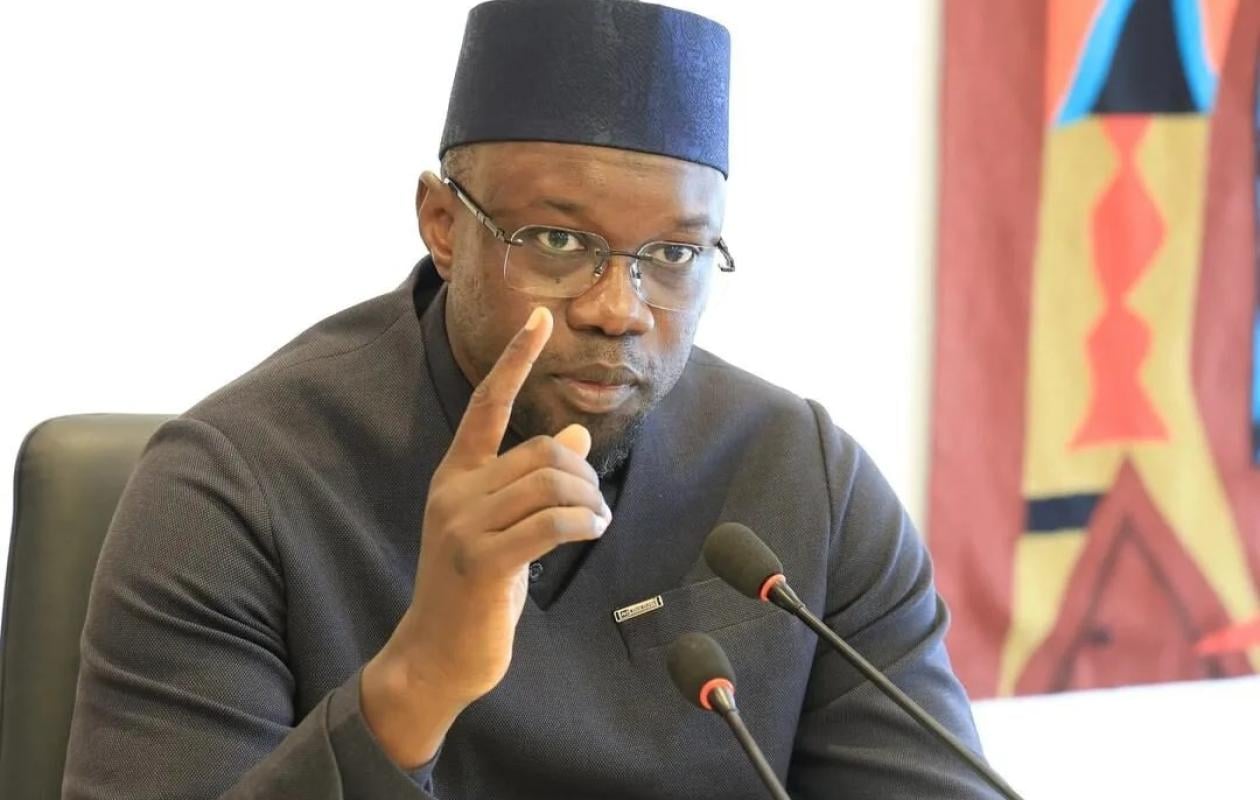
These challenges are fully recognized by the highest authorities of the State. Under the leadership of Minister Maïmouna Dièye, and within the framework of the strategic direction initiated by His Excellency the President of the Republic and Prime Minister Ousmane Sonko, significant efforts are underway to strengthen governance, improve coordination, modernize tools, and mobilize more resources for child protection. Minister Maïmouna Dièye is sparing no effort to strengthen the national protection system, improve coordination, and drive ambitious reforms. This major political commitment creates the necessary conditions to further elevate child protection. Protecting children means protecting our collective future. With such determination at the highest levels of government, we can build a Senegal where every child grows up in safety, dignity, and hope.
Interview conducted by Adama Ndiaye







![[ EXCLUSIF ] Réseau LGBTQ et Journalisme : « Sandra », issu d'une famille religieuse, tombe entre les mains de la gendarmerie](https://image.seneweb.com/content/news/2026-11-12//thumb_1260x800_69b3354eac632_Q1qq1OkzTE.jpg)










Commentaires (14)
machallah, chapeau, on degommer tout le monde et la nommer presidente de la reupublic de sanigal
Participer à la Discussion
Règles de la communauté :
💡 Astuce : Utilisez des emojis depuis votre téléphone ou le module emoji ci-dessous. Cliquez sur GIF pour ajouter un GIF animé. Collez un lien X/Twitter, TikTok ou Instagram pour l'afficher automatiquement.