
Déby face à l’invitation de Macron : souveraineté nationale ou intérêts de l’Élysée ?
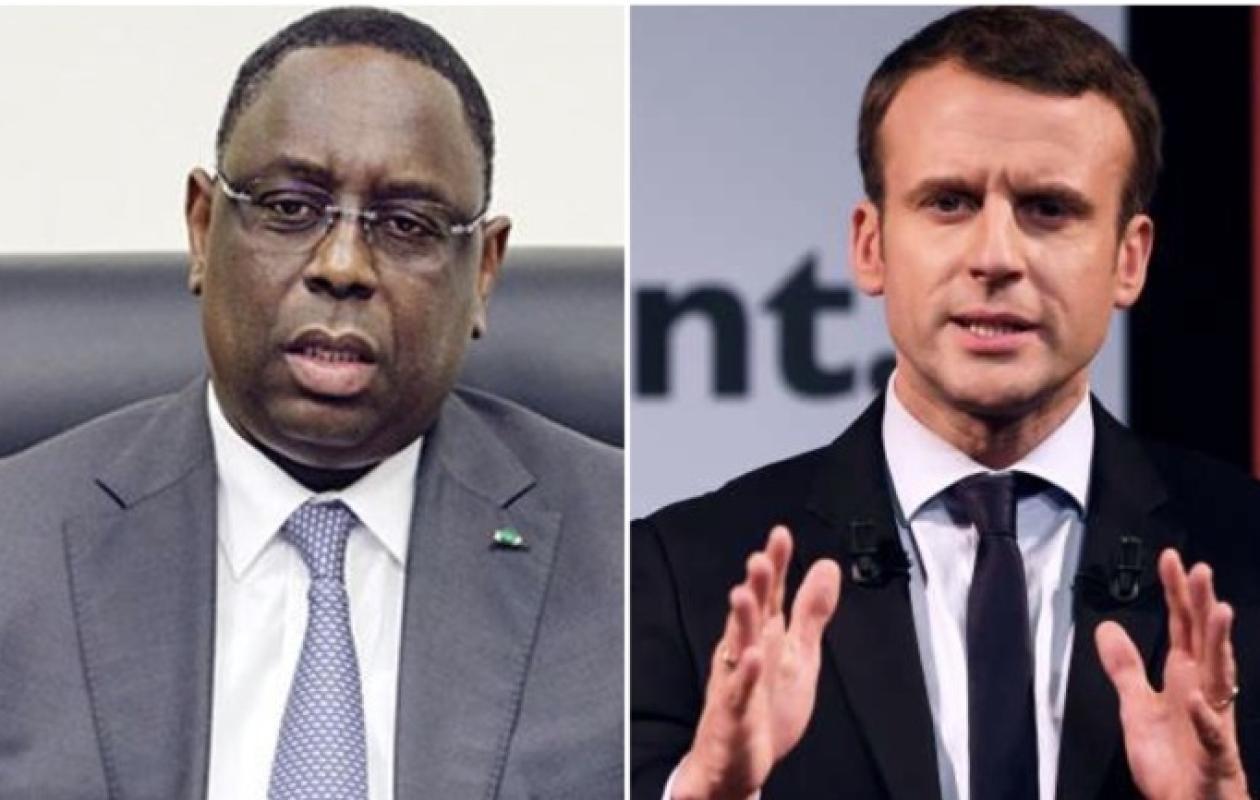
In a particularly sensitive regional context, French President Emmanuel Macron extended an invitation to President Mahamat Idriss Déby Itno to visit the Élysée Palace, via a brief oral message conveyed by the French ambassador in N'Djamena. This invitation, while seemingly a routine diplomatic gesture aimed at "revitalizing" the bilateral partnership, raises serious and legitimate questions about Paris's true objectives and the extent to which Chad is willing to accept a relationship that, in most of its phases, has proven to be a burden on its sovereignty and stability.
A French repositioning under the guise of partnership
This invitation comes within a clear context: France is seeking to re-establish its military bases in Chad, according to reports in the media and local press. But the essential question remains: does Chad truly need the return of French bases? The political and security reality demonstrates precisely the opposite. Past experience has shown that the French military presence has not been a factor of stability, but rather a source of failure, popular discontent, and questioning of national decision-making. The Chadian people have expressed this repeatedly through appeals and demonstrations explicitly demanding the departure of French soldiers, even before Déby assumed the presidency.
Paris and the distortion of Déby's image: a double discourse
The blatant contradiction of the current French invitation lies in the fact that it comes after systematic attempts to distort the image of the Chadian president and to destabilize the country, particularly after the expulsion of French forces from Chad at the end of November 2024. Paris has witnessed, during the preceding period, organized legal and media maneuvers targeting Déby and his regime, including the complaint filed with the ICC by an organization called ''Priority Peace Sudan'' registered in Paris and supported by a French law firm well known for its links with political circles.
Sensitive internal cases, such as the assassination of opposition leader Yaya Dillo and the arrest of Succès Masra, were exploited for international media attention and legal action, with the direct intervention of French lawyers and lobbying networks within the European and French Parliaments. N'Djamena perceived these practices as a direct infringement on its judicial sovereignty and an unacceptable interference in its internal affairs.
It did not stop there: France also hosted the largest meeting aimed at overthrowing the Chadian regime, bringing together more than twenty political and armed opposition parties and movements on its territory last October, under the leadership of the Front for Alternation and Concord in Chad (FACT).
Not forgetting the investigation relaunched by the National Financial Prosecutor's Office in France on July 2, 2024 against President Déby, accusing him of embezzling public funds, particularly for expenses related to clothing for the Presidency of the Republic of Chad, as well as real estate belonging to the Déby family and his entourage in France.
Diplomatic humiliation or test of sovereignty?
It is also impossible to ignore the symbolic and political dimension of the way the invitation was extended. The fact that the French president contented himself with a short oral message conveyed by his ambassador, without bothering to travel to N'Djamena or send an official written invitation, is perceived by many as an indirect humiliation for Chad and its institutions, contradicting the discourse of equitable partnership promoted by Paris.
This feeling intensifies when one recalls Macron's statements in early January 2025, where he arrogantly spoke of the "ingratitude" of African leaders. This speech received a firm response from President Déby, who asserted that President Macron "is mistaken about the times" and that the era of tutelage was over, reaffirming Chad's sovereignty and demanding the withdrawal of French forces.
Between two choices: respect the popular will or reproduce the crisis
Today, President Déby finds himself at a political and ethical crossroads. Should he accept an invitation that could lead to the return of French forces rejected by the population, opening the door to popular discontent that could threaten internal stability? Or should he, as he has done before, insist on respect for Chadian sovereignty and refuse to engage in a French project that serves only the strategic interests of Paris?
Déby has already sent strong messages by refusing to participate in major French events, such as the Bastille Day ceremony on July 14, 2024, or the 80th anniversary commemorations of the Allied landings in Provence, held in Toulon on August 15, 2024, asserting that international relations cannot be managed from a position of dependency. Today, this precedent seems more relevant than ever.
At a time when the balance of international relations is changing, Chad is no longer in a position of imposition, but in one of choice, and history will not make any concessions to those who entrust the destiny of their country to the former colonizer.
The Chadian people, who have clearly expressed their refusal of the return of France, expect from their leadership a position consistent with their sacrifices and aspirations, and not a decision that would return the country to tutelage, anger and instability.










Commentaires (0)
Participer à la Discussion
Règles de la communauté
💡 Astuce : Utilisez des emojis depuis votre téléphone ou le module emoji ci-dessous. Cliquez sur GIF pour ajouter un GIF animé. Collez un lien X/Twitter, TikTok ou Instagram pour l'afficher automatiquement.
Se connecter
Commentez avec votre profil, votre photo, et soyez averti des réponses.