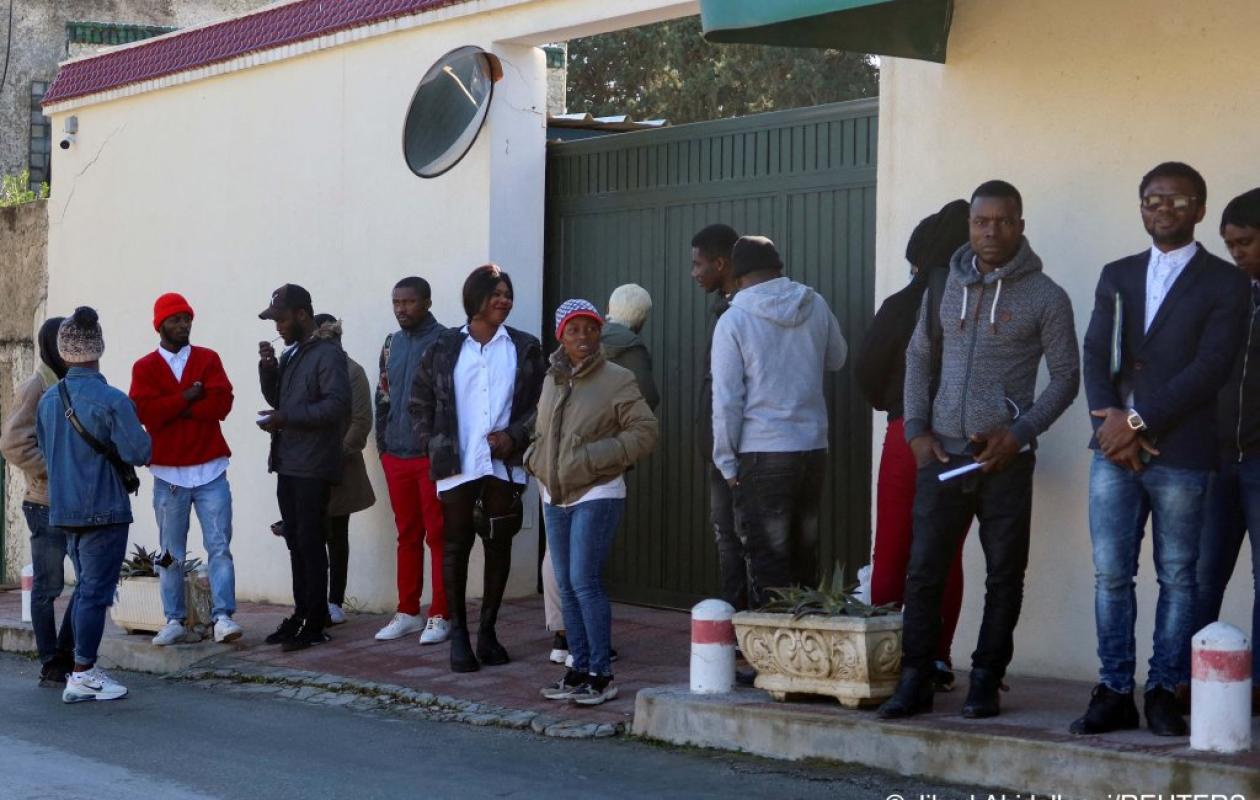
“Si la police m’arrête aujourd’hui, tout est fini” : Entre clandestinité et survie, le quotidien des jeunes exilés guinéens en Allemagne
In Berlin, the capital of Germany, Abdoulaye walks briskly in the cold, gray February air, his shoulders hunched. In his pocket, a dead phone and an old temporary worker's badge. For three years, he has lived without papers, without legal status. But for him, returning to Kankan empty-handed was not an option. "I can't afford to make any more mistakes. If the police arrest me today, it's all over."
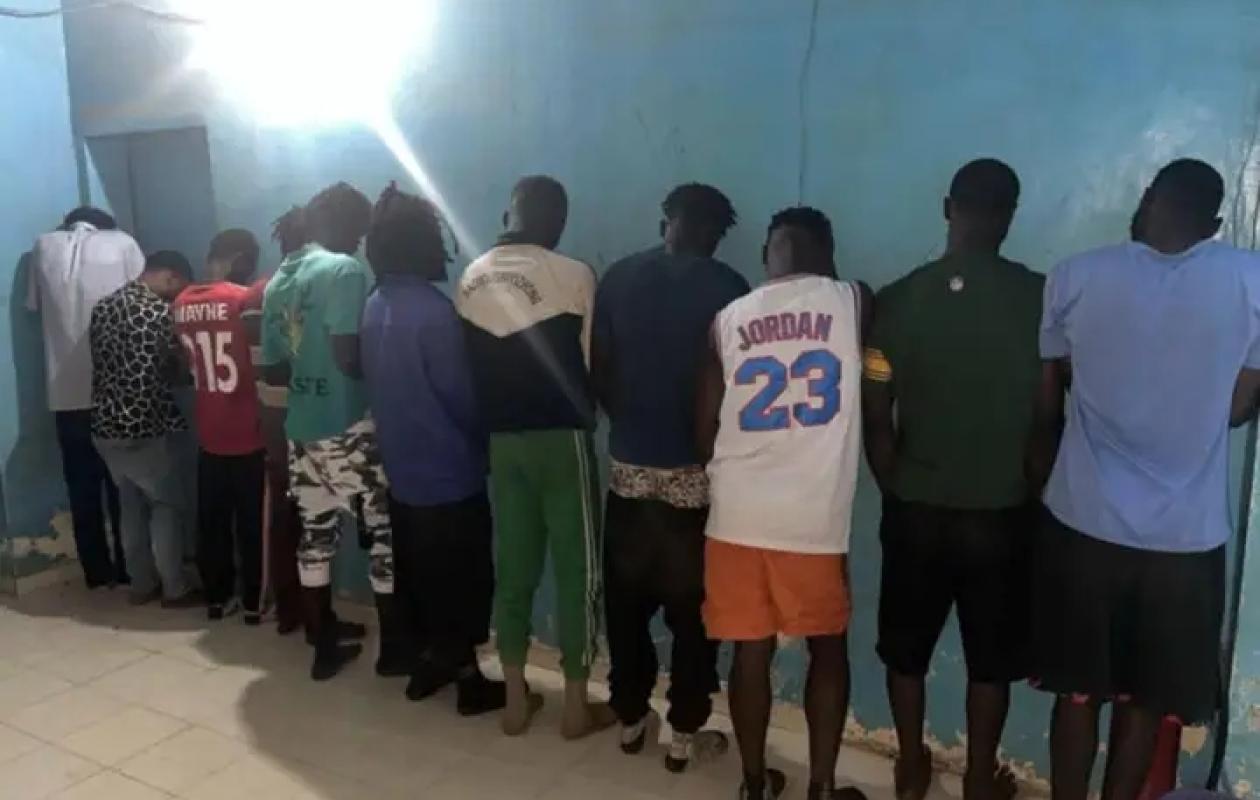
Hundreds of Guineans repeat these words every morning in major German cities—Berlin, Hamburg, Frankfurt, or Cologne. A generation that left after successive political and economic crises in Guinea, a generation that left their country with a European dream… which has become a constant fear: the fear of being sent back to Conakry.
Working in the shadows to survive
They occupy the most precarious jobs: catering, logistics warehouses, construction. Sometimes three or four to a small room, without papers, but with their pride intact.
"We manage. We work at night, we avoid checks. It's like living in the shadows," says Ibrahima, a former carpenter who switched to cleaning.
Germany has tightened its immigration policy, and since 2018, Guinea has facilitated repatriations. For undocumented migrants, fear has become a daily companion: checking for patrols before going out, regularly changing their accommodation, erasing all traces of their presence.
The forced return, a nightmare
In Conakry, the government promises to welcome its sons and daughters to rebuild the country. On the ground, the reality is harsh. "The repatriated young people have no work, no housing, no psychological support. It's a return to nothingness," explains a Guinean sociologist based in Paris.
For many, Gbessia airport symbolizes terror. Brutal expulsions, German police escort, rapid interrogations by Guinean services… Some leave a few months later on the roads of exile, resuming their journey to the Sahel.
Solidarity and survival among compatriots
In Hanover, 27-year-old Sonia, a former law student, lives with three other women in an apartment. Her asylum application has been rejected twice. She works illegally in an African restaurant. "Every time I serve a customer, I wonder if it's my last free day here. I don't really sleep anymore," she confides.
She owes her salvation to the Guinean diaspora. Organizations like Guineans in Solidarity with Germany collect clothing, fund lawyers, and support undocumented immigrants. "We support each other as compatriots because we know no one else will do it for us."
Between shame and dignity
For Abdoulaye, a forced return would not only be an administrative failure, but a moral blow. "My mother thinks I work for a big company here. I send her a little money every month. If I go back, I'll be a disgrace to the family."
This tension between dream and reality creates a dual identity: a hopeful young exile on one hand, a silenced undocumented immigrant on the other. Conversations are conducted in code: "Be careful," "change your number," "avoid the office." A language of survival.
Neither there nor here
Between Germany, which rejects them, and Guinea, which they no longer dare to visit, many live suspended in a legal and human void. They work, love, hope — but remain invisible.
In a café in Neukölln, Abdoulaye finishes his tea while watching the snow fall: "I don't want to die here, but I can't go back there. So I keep going. As long as we breathe, we move forward."
Berlin falls asleep in the wind. In the alleyways, figures pass discreetly, invisible, but vigilant. And despite everything, they carry the same dream: to live one day without fear.
















Commentaires (4)
Participer à la Discussion
Règles de la communauté :
💡 Astuce : Utilisez des emojis depuis votre téléphone ou le module emoji ci-dessous. Cliquez sur GIF pour ajouter un GIF animé. Collez un lien X/Twitter, TikTok ou Instagram pour l'afficher automatiquement.