Le complexe du « décomplexé » (Par Adama Ndiaye)
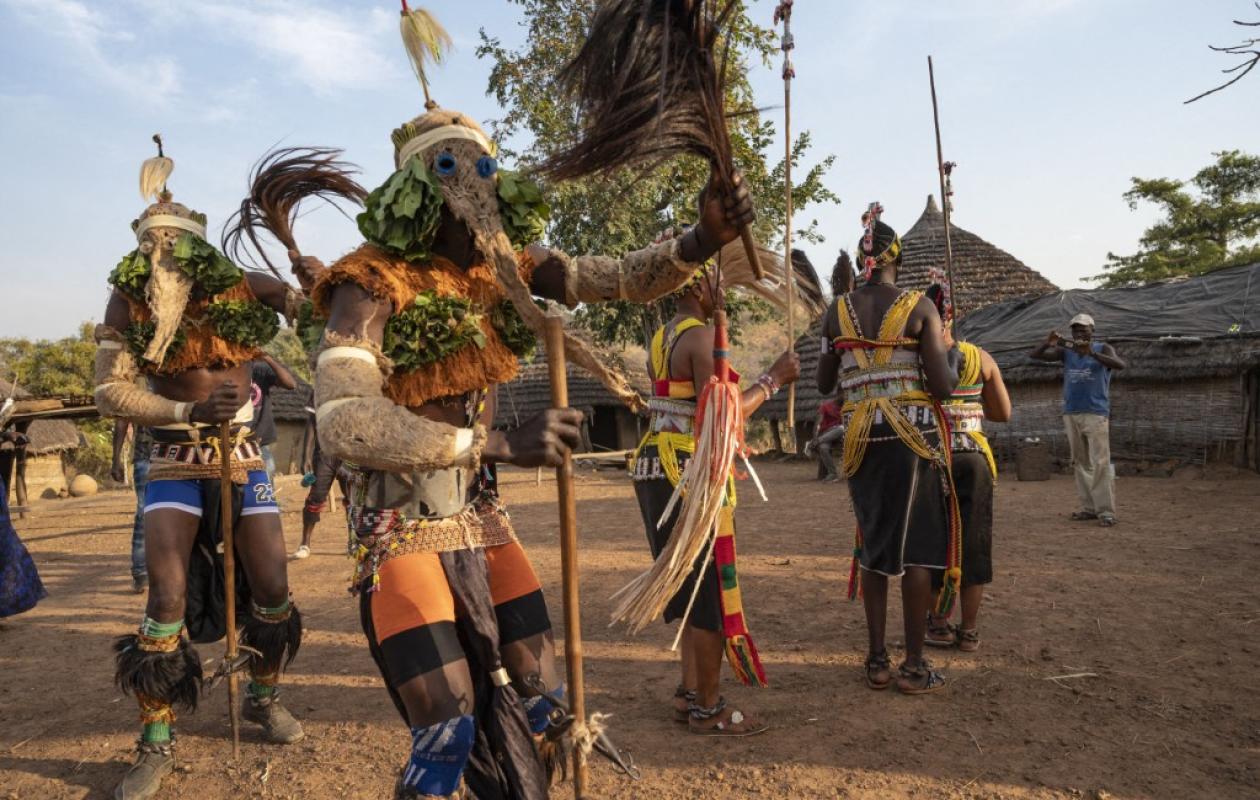
In Kédougou, far from the spotlight of the capital, a symbolic act is unfolding that questions the very essence of our nation. The affair, reported by our colleague Dialy Ibrahima Diébakhaté on Seneweb, might seem trivial: a dispute over a place name. On one side, residents want to rename the Kongori neighborhood "Darou Salam," in the name of a supposed moral and religious evolution. On the other, those resisting cling to this name as if it were a bulwark. For Kongori is not merely a geographical label; it is a Bassari heritage, a memory of land and blood that some are trying to erase beneath a veneer of piety.
This rift in Kédougou is a reflection of our great national misunderstanding. It reveals the hypocrisy of those who loudly proclaim "patriotism" and "sovereignty" while trampling on our roots.
Today I see two forms of sovereignty in Senegal which, although noisy, seem to me profoundly misguided.
First, there is the resentful sovereignty embodied by Guy Marius Sagna. This stance feeds on an obsessive Francophobia. Here, France is no longer a partner or a former colonizer from which one distances oneself; it becomes a demonic entity, responsible for everything: from the corruption of our elites to police brutality, even our own moral crises. It is a sovereignty defined by what it hates, not by what it cherishes.
Then there is the sovereignism of alienation, more religious, radically Arabized, of which Cheikh Oumar Diagne is one of the heralds. Under the pretext of a "return to values," this movement professes a sovereign contempt for everything that constitutes the essence of our Black African traditions. For these "patriots" of a new kind, authenticity is not found in our lands, but in the importation of foreign cultural codes.
Look at our streets, listen to our conversations. The Arab veil has replaced the majestic headscarf of our mothers. The djellaba and the abaya have relegated the ndokette and low-waisted dresses to the back of the closet. In hotels, instead of saying "Ndogu," they display "Iftar." The warm "Dewenati, balma akk" fades before a bland "Eid Mubarak."
A brief digression seems important here: criticizing this Arab cultural imperialism is in no way a criticism of Islam. Senegal has invented a model unique in the world, a "Black African" Islam of absolute elegance. One can be a devout Muslim, a scholar of exemplary piety, while remaining deeply rooted in one's Wolof, Mandinka, or Serer identity. Our great Sufis did not wear Saudi djellabas to attain sainthood; they wore the grand boubou, spoke our languages, and respected our customs.
Yet it is the rejection of this balanced heritage that now permits the most bizarre excesses. By losing our cultural compass, we see these two currents, seemingly opposed, converge in a “convergence of struggles” that is often grotesque. Remember the Rihanna affair: when Frapp and movements like Jamra or And Samm Djiko Yi joined forces to ban a pop star invited to an education summit in the name of fighting the Illuminati and Freemasons. A sacred union in absurdity.
The resistance fighters of Kongori are the only true patriots in this affair. They refuse to be erased. The real challenge for Senegal in the future lies here: how to be a modern nation without being either a branch office of Paris or a spiritual province of Riyadh or Cairo?
This fight must begin in schools. The national education system must stop treating our historical figures as mere folkloric curiosities. A king like Buur Sine Coumba Ndoffene Diouf deserves to be rehabilitated. He was not an archaic "animist king," but a bulwark of dignity and true sovereignty. As Maurice Barrès emphasized, attachment to the land and to the dead is what binds a people together. For Senghor, rootedness was the essential condition for openness.
If we continue to allow Arabization to erase the Senegalese identity and resentment to stifle critical thinking, we will end up becoming strangers in our own land. The resistance fighters of Kongori remind us of an essential truth: a nation is not built on hatred of others or self-forgetfulness, but on fidelity to its roots.






![[ EXCLUSIF] Keur Massar : Momo, garde du corps de Sonko, victime de cambriolage , une somme d'argent emportée à son domicile](https://image.seneweb.com/content/news/2026-24-11//thumb_1260x800_6a2af4367fc31_aguxPII11b.jpg)









Commentaires (59)
Participer à la Discussion
Règles de la communauté :
💡 Astuce : Utilisez des emojis depuis votre téléphone ou le module emoji ci-dessous. Cliquez sur GIF pour ajouter un GIF animé. Collez un lien X/Twitter, TikTok ou Instagram pour l'afficher automatiquement.