La place du Premier Ministre dans l’architecture institutionnelle du Sénégal : un équilibre à préserver (Par Boubacar Mohamed SY)
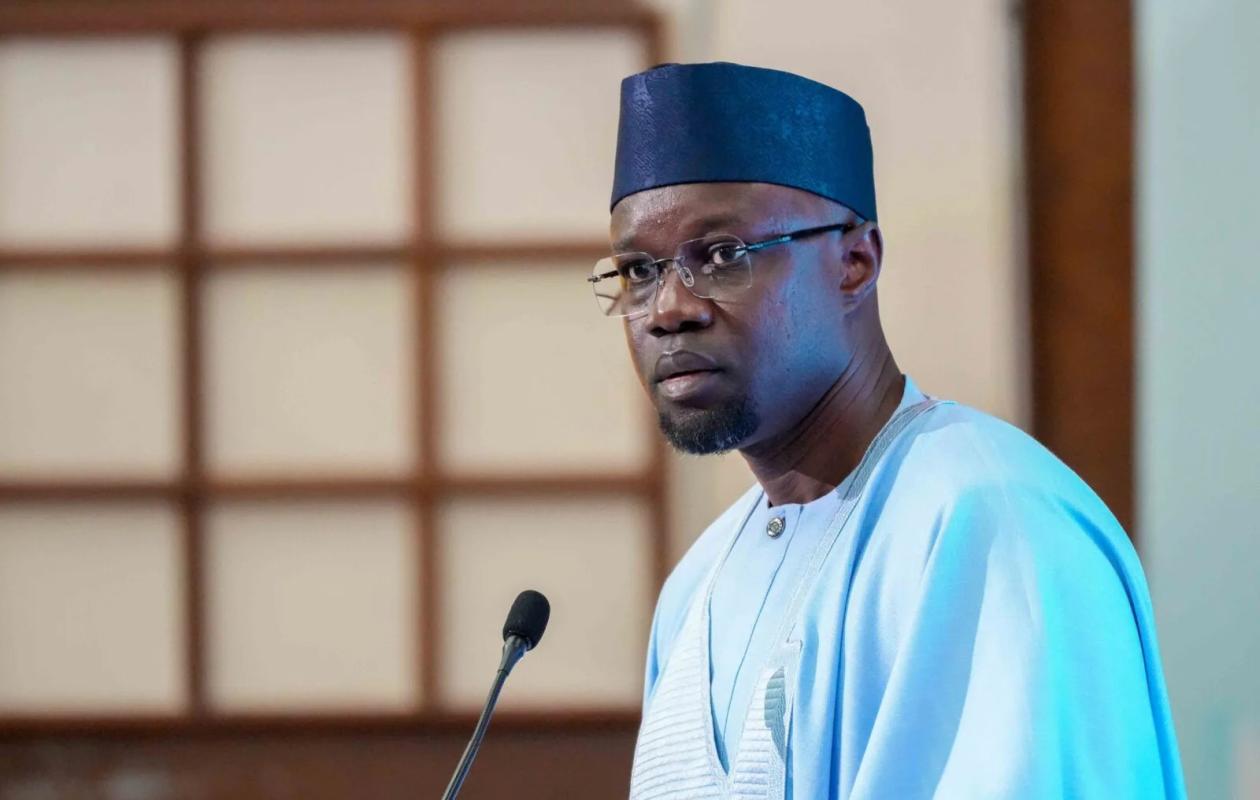
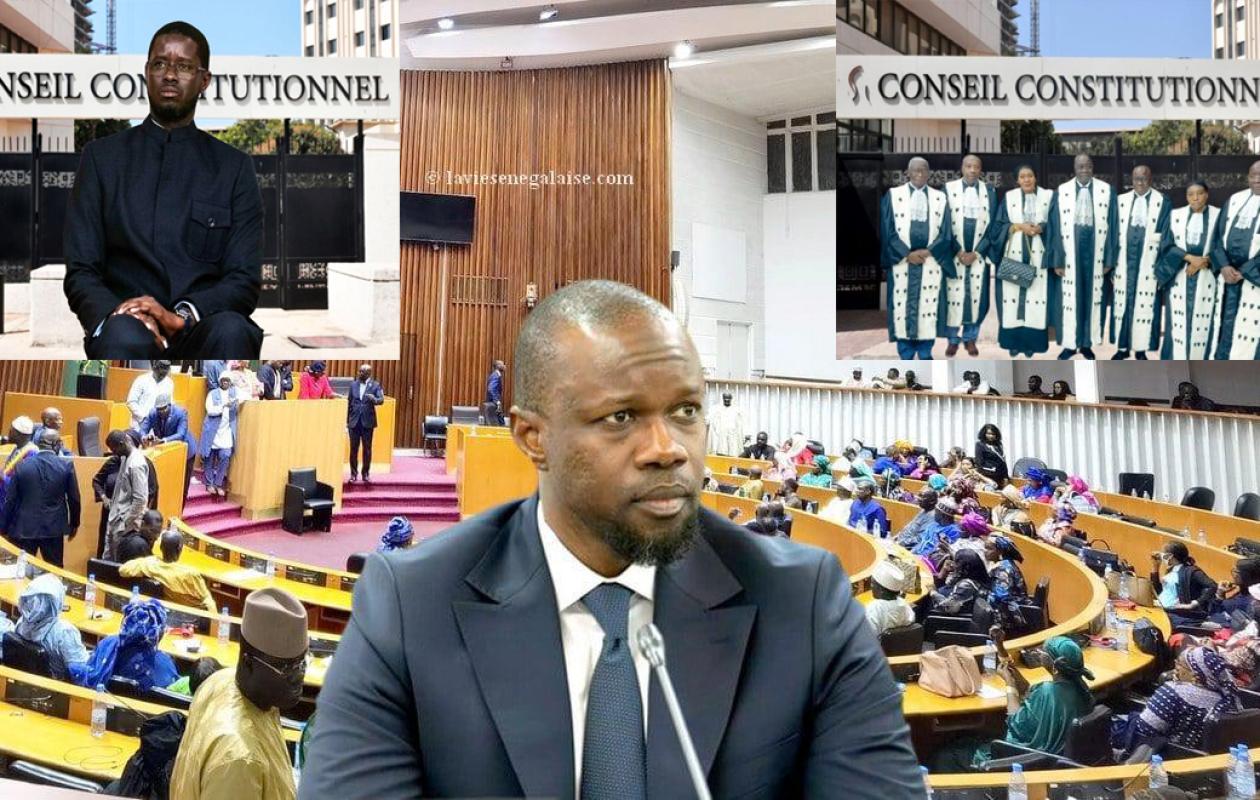
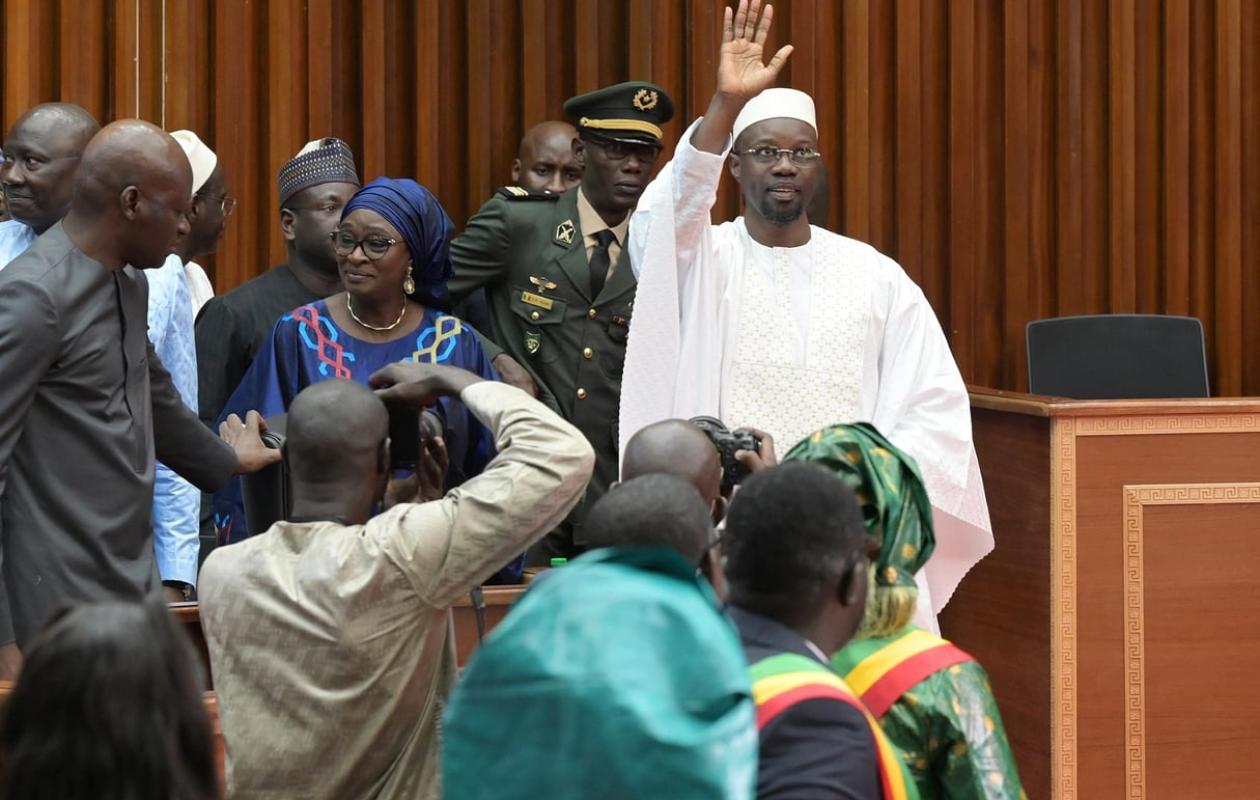
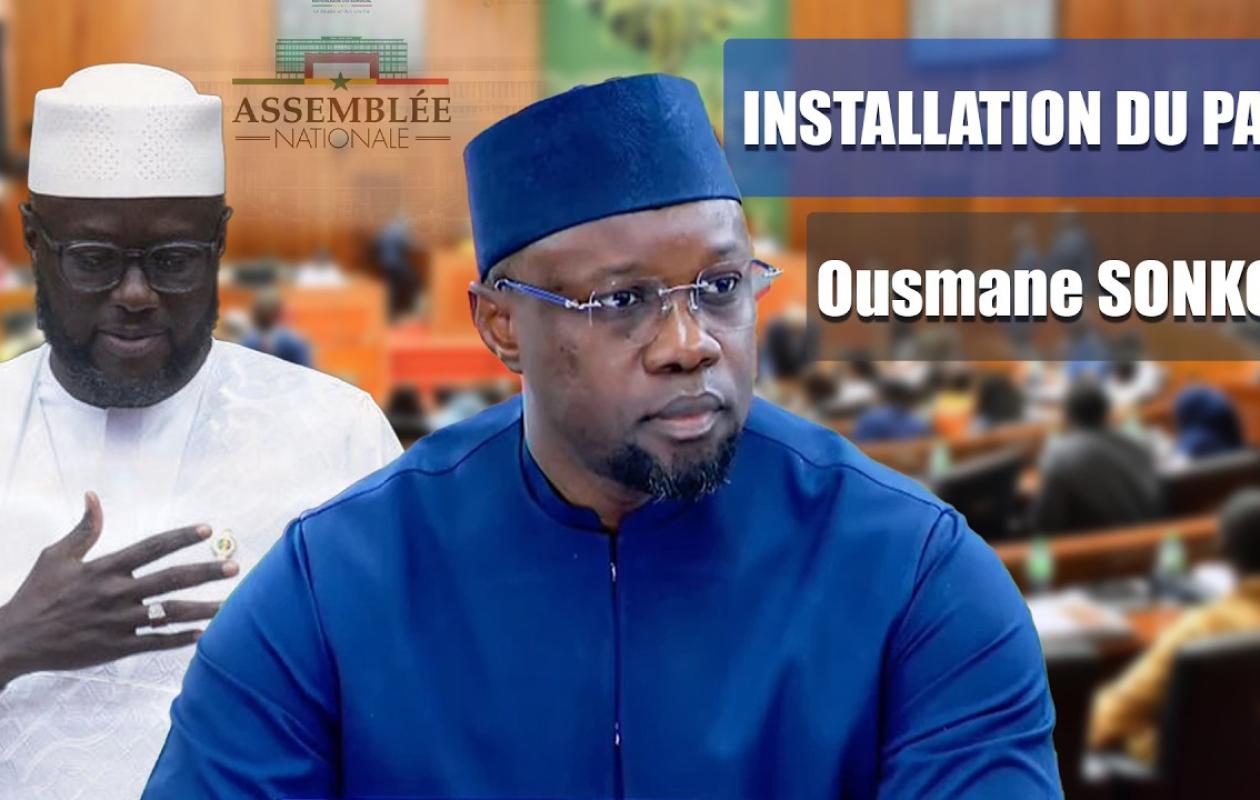
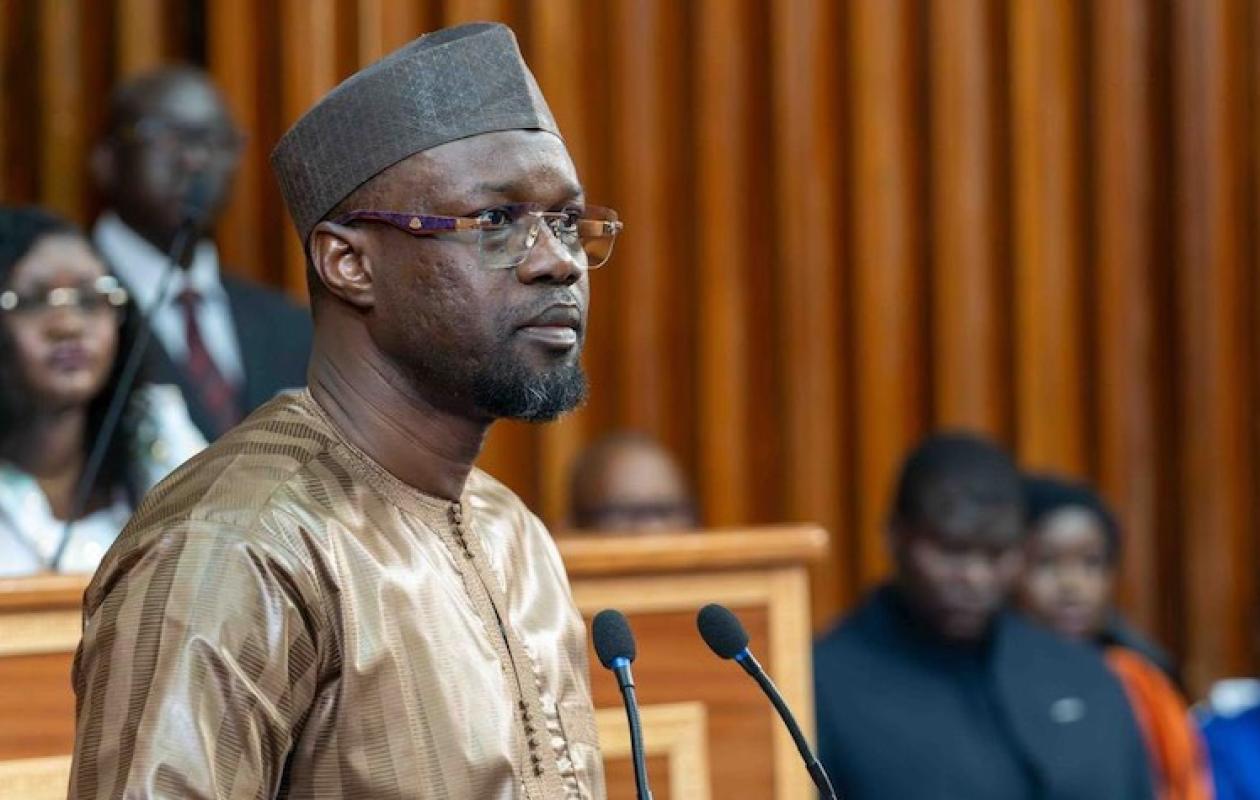
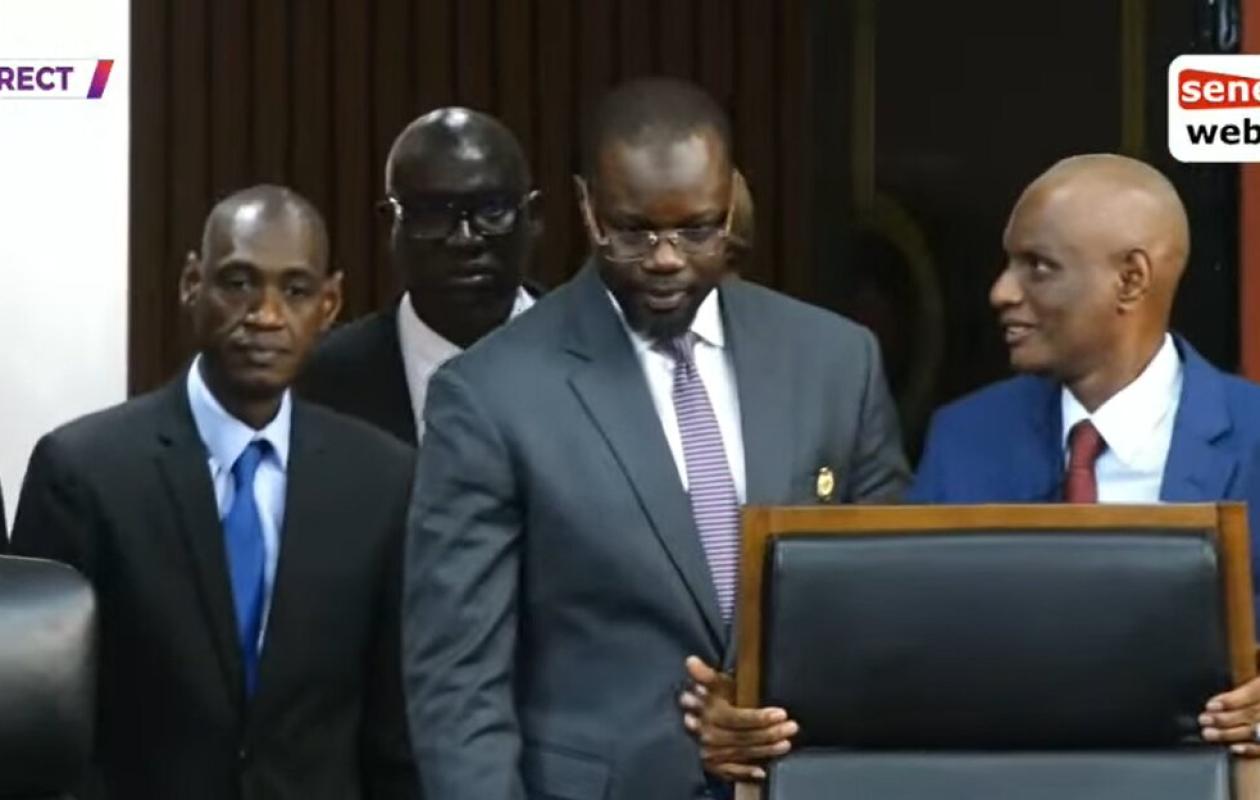
The question of the Prime Minister's place in Senegal's institutional architecture is a recurring debate. It has been particularly revived with the political rise of Ousmane Sonko, whose impressive legitimacy and enormous influence on the national political scene have sparked renewed questions about the role and powers attached to this office.
Understanding the relevance of the position of Prime Minister in a presidential state like Senegal requires examining the country's constitutional structure, the lessons of national history, and international comparisons.
It is essential, from the outset, to highlight two major pitfalls to avoid:
• The first option would be to consider revising the Constitution or enacting legislation to address the temporary presence of a political actor enjoying impressive popularity or legitimacy. Such an approach would be opportunistic and would jeopardize institutional stability.
• The second would be to weaken the presidential function, the cornerstone of the Senegalese democratic state. The President of the Republic, elected by direct universal suffrage by all citizens registered on the electoral lists, holds a unique and indisputable popular legitimacy, which constitutes the foundation of his authority and his ability to guarantee the regular functioning of the institutions.
That said, even though the President occupies a central, even seemingly inaccessible, position, he remains subject to the limits set by the Constitution. For example, Article 50 of the Senegalese Constitution specifies that the Head of State cannot delegate all of his powers.
Strict adherence to the Constitution is therefore a prerequisite for Senegal to remain a state governed by the rule of law and a credible democracy. All political actors must constantly consult and apply these rules to preserve institutional balance and the primacy of the law.
Senegal, in its current institutional configuration, has adopted a presidential system, excluding the dual executive characteristic of parliamentary systems. This orientation is not accidental. The country's history offers valuable lessons.
In 1962, the cohabitation, whether forced or not, between two political luminaries, Léopold Sédar Senghor and Mamadou Dia, created a situation of extreme tension. The institutional rivalry between these two figures, both endowed with considerable intellectual and political authority, nearly provoked a major institutional crisis.
The lesson of this period is clear: the dual leadership of the executive can be a source of paralysis and fragility, and the consolidation of a presidential regime has made it possible to stabilize the country and to put in place a system more adapted to the realities of Senegal.
The comparison with France is always illuminating. General Charles de Gaulle was elected in 1958 by parliamentarians, within the framework of a largely parliamentary system. This limited the primacy of the President of the Republic. It was only in 1963, following a historic referendum, that the French President was elected by direct universal suffrage, strengthening his legitimacy and primacy over the Prime Minister and all other political authorities in the country.
However, the French Constitution of the Fifth Republic grants the Prime Minister significant powers. Through the government, he determines and conducts the nation's policy. His real power is particularly evident during periods of cohabitation, when the President and the Prime Minister belong to different political majorities. This characteristic illustrates the hybrid nature of the French system since 1963 and the introduction of presidential elections.
Republic with direct universal suffrage: the Prime Minister remains a constitutionally strong actor, capable of influencing government action, but he does not weaken or cannot weaken the presidential function when the majorities are aligned.
In Senegal, no cohabitation or duality is planned at the top of the State.
Presidential primacy is clearly protected and reinforced.
Article 42 of the constitution states the following:
The President of the Republic is the guardian of the constitution. He is the foremost protector of Arts and Letters in Senegal.
He embodies national unity. He is the guarantor of the regular functioning of institutions, national independence and territorial integrity.
It determines the nation's policy.
He chairs the council of ministers.
This single article is indicative of what precedes it.
Consequently, Article 49 of the Constitution stipulates that the President of the Republic appoints and dismisses the Prime Minister. This provision underscores the indisputable political power of the Head of State and emphasizes that the Prime Minister, despite their central role in implementing national policy, remains subordinate to presidential authority. Upon the Prime Minister's recommendation, the President appoints ministers and secretaries of state, defines their responsibilities, and terminates their appointments. This structure illustrates a clear institutional hierarchy and safeguards the stability of the executive branch.
The President also benefits from near-total immunity. Only prosecuted for high treason, a concept not codified in criminal law, he enjoys exceptional immunity.
Elected for a defined term of 5 years; he carries it out in accordance with Article 25 of the Constitution.
In this context, the Prime Minister plays a crucial role: he reports on the work carried out under presidential impetus and assumes responsibility for government policy before the National Assembly and the President (Article 53).
This structure guarantees the continuity of state action and protects presidential authority. It is absolutely necessary.
It must be acknowledged, moreover, that this reality, both spiritual and constitutional, effectively makes the current Prime Minister someone whose stature extends far beyond the role of Prime Minister. In this sense, should he have been, or should he have accepted, the position of Prime Minister following the election of President Bassirou Diomaye Faye to the highest office? That is the real question.
On another note, the question arises as to the appropriateness of the Prime Minister's general policy statement. A clear discrepancy between what is being done and what should be done is evident. Indeed, it is the President of the Republic who determines national policy, which is then presented by the Prime Minister to the National Assembly. The sanction imposed by the motion of censure against the Prime Minister may appear unjustified or unfair.
Similarly, it would be important to replace the Prime Minister's general policy statement with the Prime Minister's presentation of the policy defined by the Head of State.
It remains important to recall a fundamental principle of institutional balance: if a reduction in presidential powers were ever to be considered, it would not be to increase the authority of the Prime Minister, but to strengthen all the powers of the State and consolidate the separation of powers, in accordance with Montesquieu's principles. A truly democratic power must be checked by another, and this logic remains essential to guaranteeing stability and institutional legitimacy. The power of the State therefore rests as much on its constitutional structures as on the competence and integrity of the individuals who embody them.
Ultimately, the role of Prime Minister, far from competing with that of the President, constitutes a fundamental pillar of the Senegalese institutional framework. It ensures the continuity of state action, protects presidential authority, and contributes to the smooth functioning of institutions. While subordinate to the President of the Republic, the Prime Minister's role is central to the coordination of the government and the implementation of national policy, thereby guaranteeing the stability, effectiveness, and legitimacy of the Senegalese political system.
Boubacar Mohamed SY
Lawyer - Writer - Political Analyst








Commentaires (9)
Lui, Sonko, il n’a qu’à s’investir pleinement dans le travail que lui a confié le président de la république et diminuer la politique pour 2029. Sinon, le Pr Diomaye doit trouver quelqu’un d’autre. On n’a pas besoin d’un 1er minister super fort, on a besoin d’un 1er ministre fidèle, respectueux des institutions, qui travaille pour le président et son programme, parce qu’apres tout, c’est le mandat du président Diomaye. Si Sonko veut faire moitié-moitié, un pied dedans-un pied dehors, le président doit prendre ses responsabilités.
Participer à la Discussion
Règles de la communauté :
💡 Astuce : Utilisez des emojis depuis votre téléphone ou le module emoji ci-dessous. Cliquez sur GIF pour ajouter un GIF animé. Collez un lien X/Twitter, TikTok ou Instagram pour l'afficher automatiquement.