
L’Afrique doit transformer les conflits technologiques mondiaux en opportunité industrielle (Par Demba Ndiath)
Military tensions between major powers, particularly between the United States and Iran, illustrate a profound transformation of modern warfare: the rise of autonomous technologies, especially drones and artificial intelligence. While these conflicts represent a human tragedy and a danger to humanity, they also reveal an economic and industrial reality that African countries can no longer ignore.
Senegal and other African countries must not remain mere spectators of this technological revolution. On the contrary, they must see it as a strategic opportunity to develop new industries, train their youth, and integrate themselves into the value chains of the future.
Drones: an accessible and strategic technology
The current conflict demonstrates how essential drones have become in modern military operations. One of the most striking examples is that of Iranian drones.
Unlike American drones, which are often extremely sophisticated and expensive, some Iranian models—such as the Shahed series drones —are relatively simple to produce. Their cost is estimated at between $20,000 and $50,000 , while some Western military drones can cost several million dollars.
This difference is based on a different industrial philosophy: producing efficient, relatively simple and easily reproducible systems.
For African countries, this approach opens up an important prospect: drone manufacturing does not necessarily require extremely complex industrial infrastructure. With appropriate training in electronics, mechanics, programming, and artificial intelligence, it is possible to create local production chains.
Exploding global demand
Recent conflicts have demonstrated a surge in global demand for drones. During the war in Ukraine, thousands of drones were used by various sides. Ukraine even launched international appeals to increase its production and supply.
Today, drones have become essential equipment not only in military fields, but also in many civilian sectors:
● Delivery of medicines to isolated areas
● precision agriculture
● environmental monitoring
● infrastructure inspection
● civil security
● Drone taxis being tested in some cities like Dubai
The global drone market is expected to exceed $90 billion by 2030 , according to several industry studies.
For a continent like Africa, where millions of young people are seeking career prospects, this industry represents a major opportunity.
Training African youth in the technologies of the future
Africa has a huge advantage: its demographics. More than 60% of the African population is under 25 years old .
However, the major challenge remains training.
Universities, engineering schools, and technical training centers should massively integrate the teaching of related technologies:
● to drone design
● to embedded electronics
● to robotics
● to artificial intelligence
● to the piloting and maintenance of drones
These skills can create thousands of jobs and foster the emergence of a local industrial fabric.
Data centers: the strategic infrastructure of artificial intelligence
Beyond drones, another area has become strategic: data centers , which constitute the essential infrastructure of artificial intelligence.
In the United States, the explosion of AI has triggered massive growth in the data center sector. According to several industry analyses, the global data center market could exceed $400 billion by 2030 .
Companies like Amazon, Microsoft, Google, and Oracle are investing tens of billions of dollars in these infrastructures.
These centers create jobs in many fields:
● Computer engineering
● cybersecurity
● technical maintenance
● energy management
● telecommunications
Africa must also position itself in this strategic sector in order not to remain dependent on foreign digital infrastructure.
The artificial intelligence revolution in modern conflicts
Recent conflicts have also demonstrated the growing role of artificial intelligence in data analysis and strategic targeting.
The most advanced armies today use AI systems to:
● Analyze satellite images
● identify targets
● optimize military operations
This reality raises important ethical questions. But it also shows that artificial intelligence has become a central element of global technological power.

Africa must not remain a spectator
Faced with these transformations, Africa must not simply observe the technological developments of the world.
It must act proactively to:
● to educate its youth
● develop its technology industries
● Invest in research
● Create international partnerships
The continent has immense human potential that can be mobilized to participate in this industrial revolution.
An initiative already underway in Senegal
In Senegal, some initiatives are already starting to move in this direction.
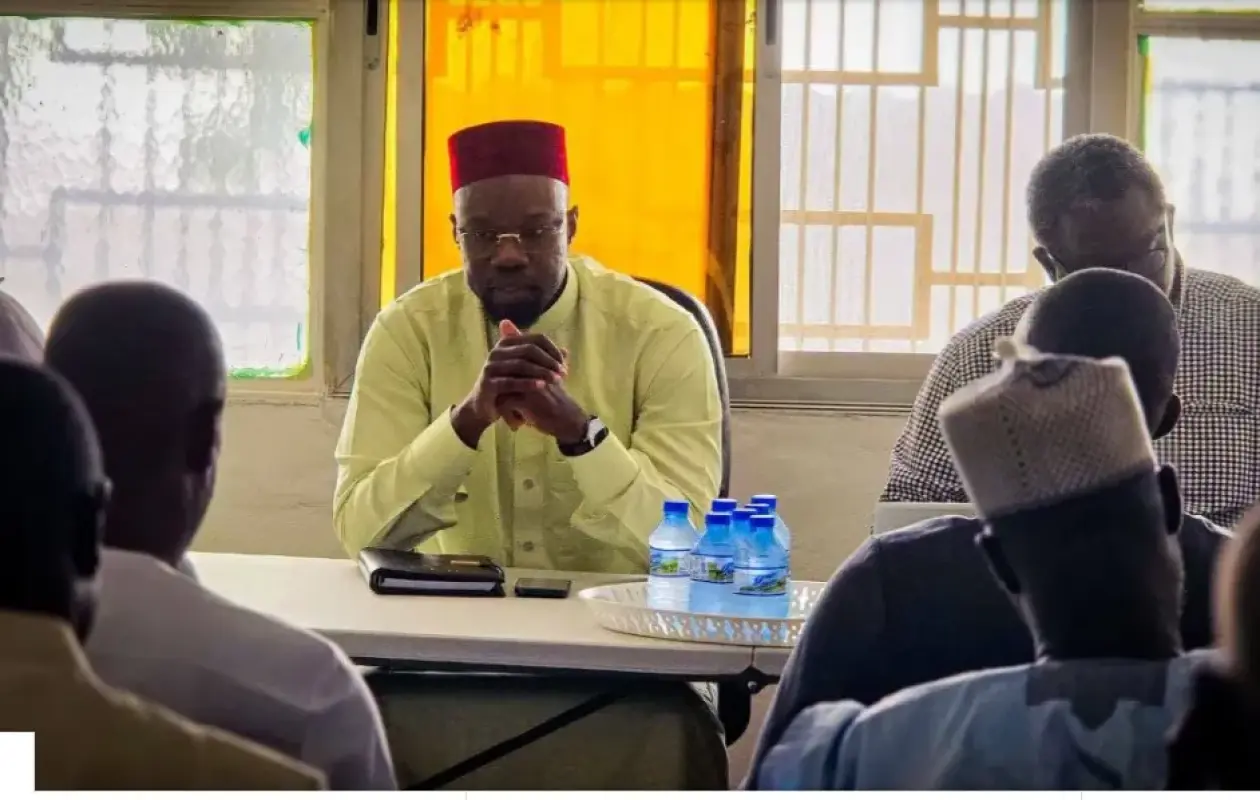
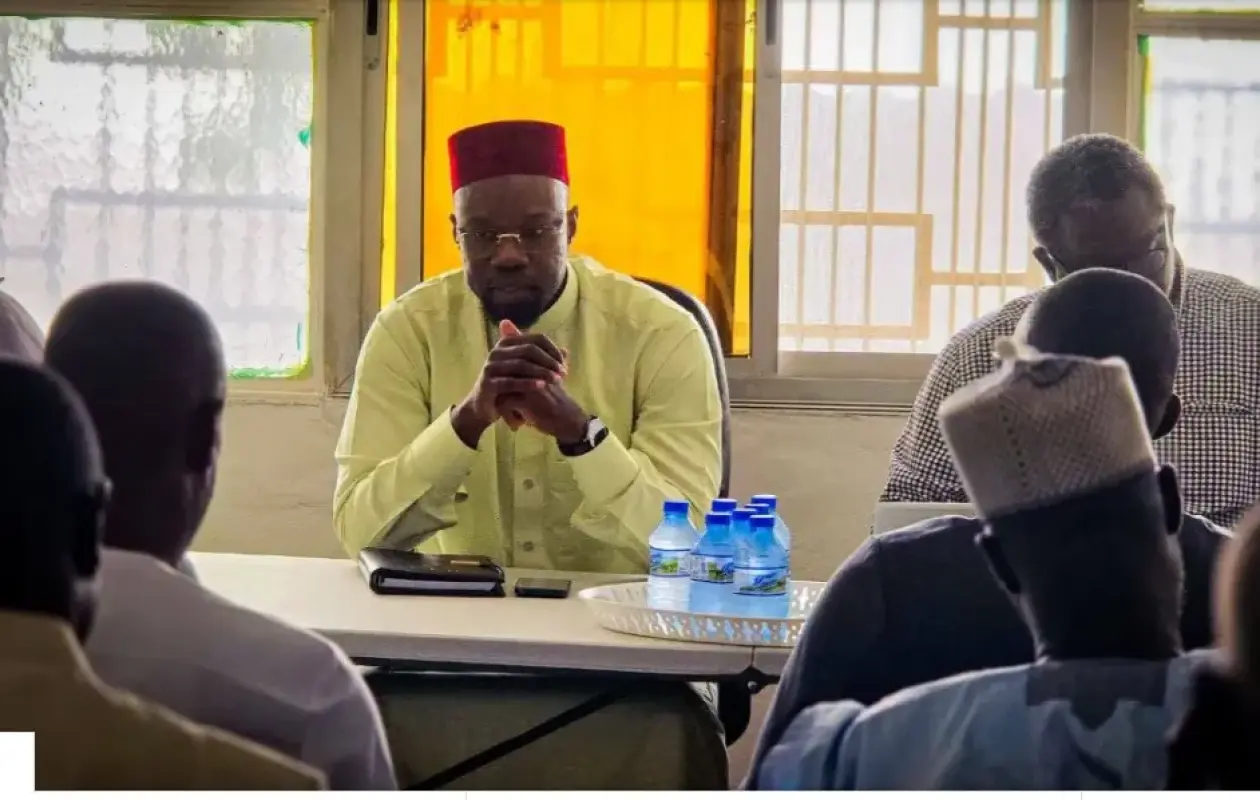
With our association Initiatives 221 , we organised the Banlieue Smart Days forum on December 13 and 14 in Yeumbeul , dedicated to technological innovation in the suburbs of Dakar.
During this event, several young people were trained in drone operation and emerging technologies.
We also invited the Senegalese national army to participate in these trainings, as well as academic partners such as the Dakar Institute of Technology , in order to raise awareness among our authorities of the strategic importance of these technologies.
The objective is clear: to prepare Senegalese youth for the technological jobs of the future.
For the next edition, planned for 2026 , God willing, we intend to go even further by organizing:
● Drone assembly and manufacturing workshops
● training courses in artificial intelligence
● Technical training programs for young people
These activities will be organised in partnership with the Ministry of Communication, Telecommunications and Digital Affairs of Senegal , which already supports this vision.
A question of vision and political will
Economic history shows that major industrial transformations always benefit countries that know how to anticipate future technologies.
The revolution in drones, artificial intelligence and digital infrastructure is already underway.
Africa must decide whether it wants to be a consumer of these technologies… or a producer .
The future of millions of young Africans will depend on this decision.
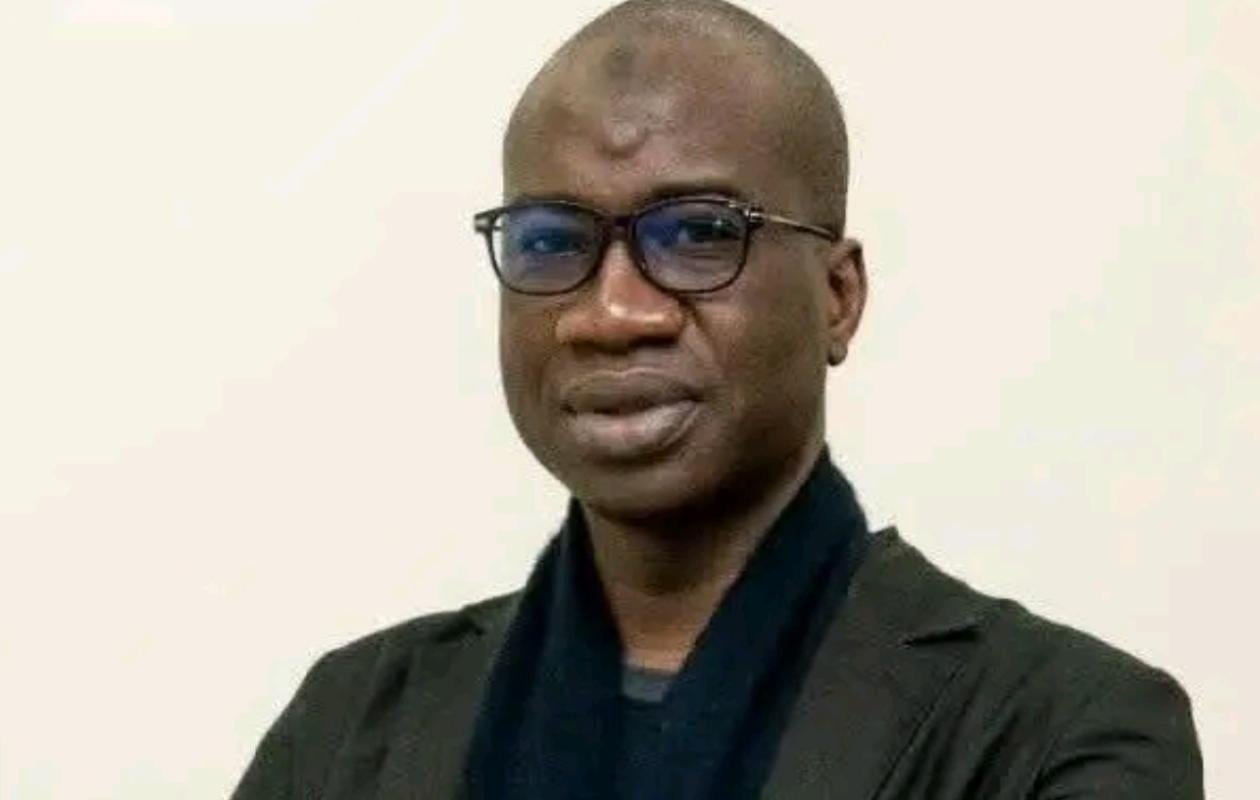
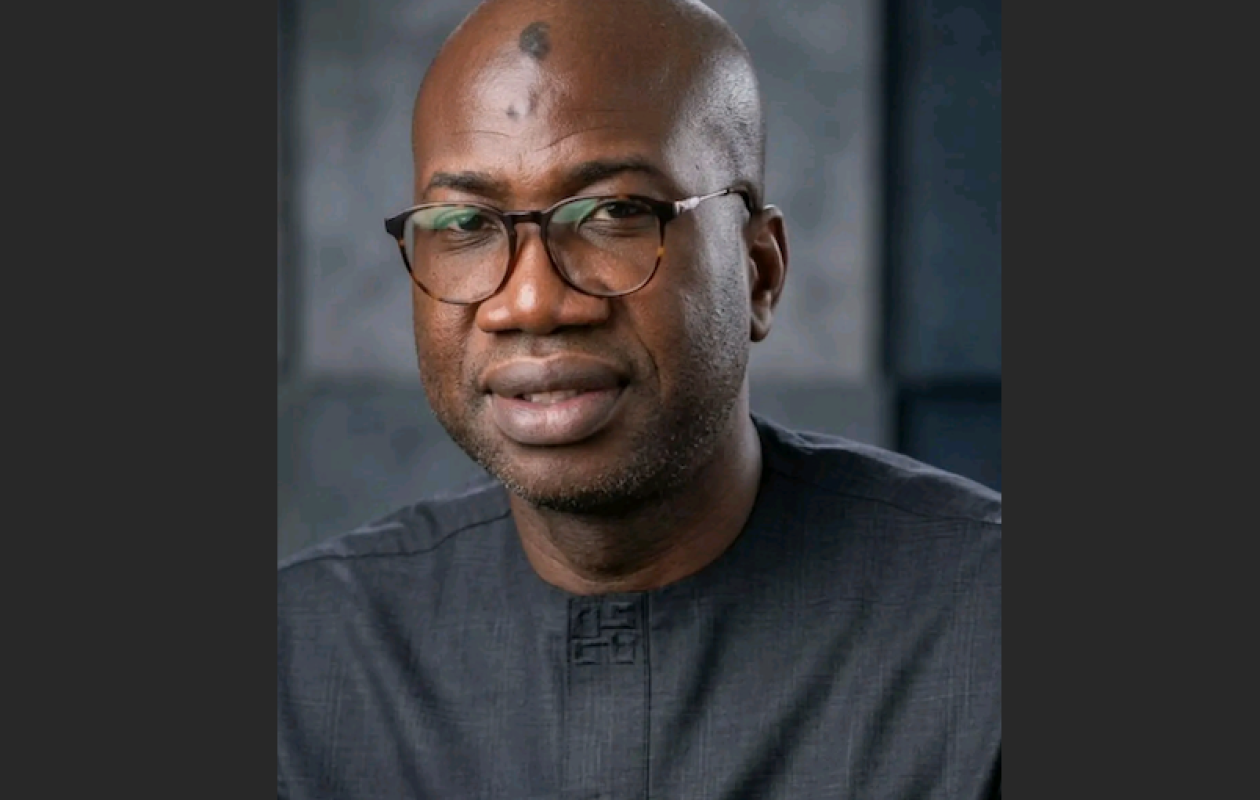
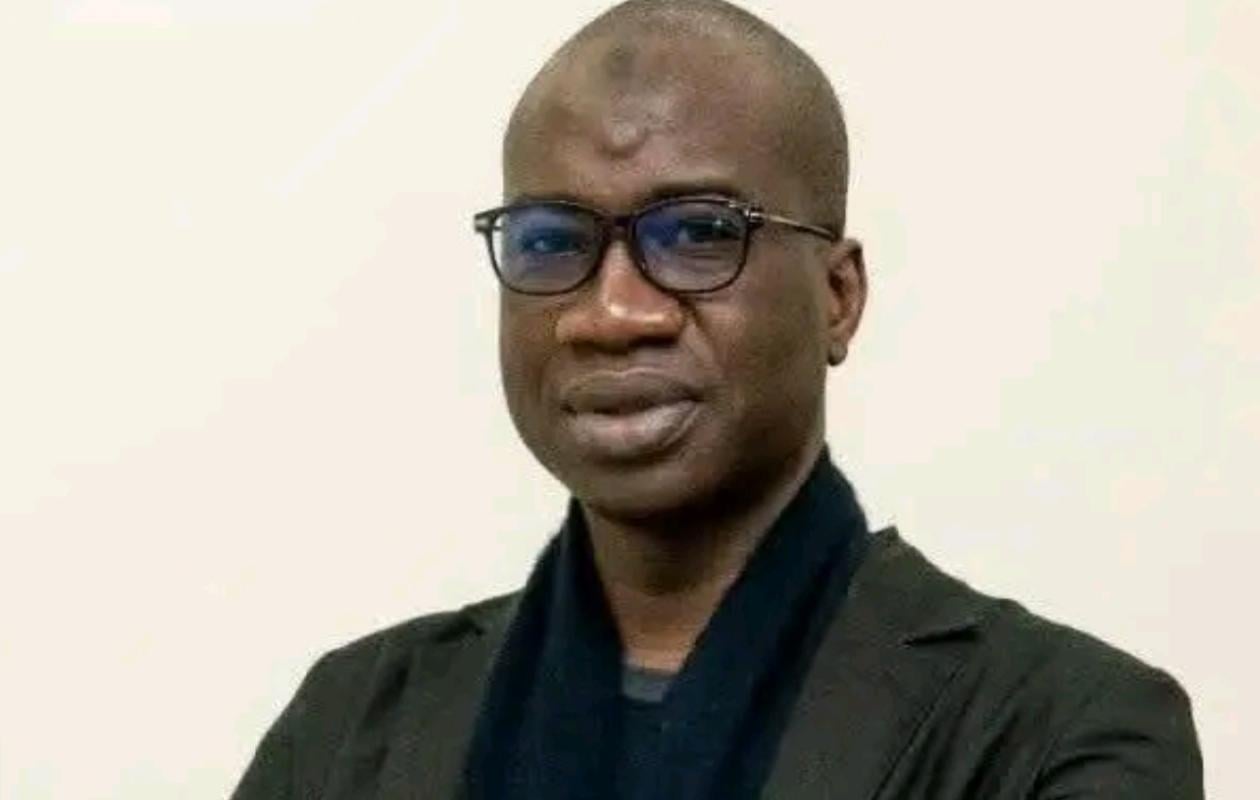
Demba Ndiath
President, Initiatives 221


















Commentaires (8)
Participer à la Discussion
Règles de la communauté :
💡 Astuce : Utilisez des emojis depuis votre téléphone ou le module emoji ci-dessous. Cliquez sur GIF pour ajouter un GIF animé. Collez un lien X/Twitter, TikTok ou Instagram pour l'afficher automatiquement.