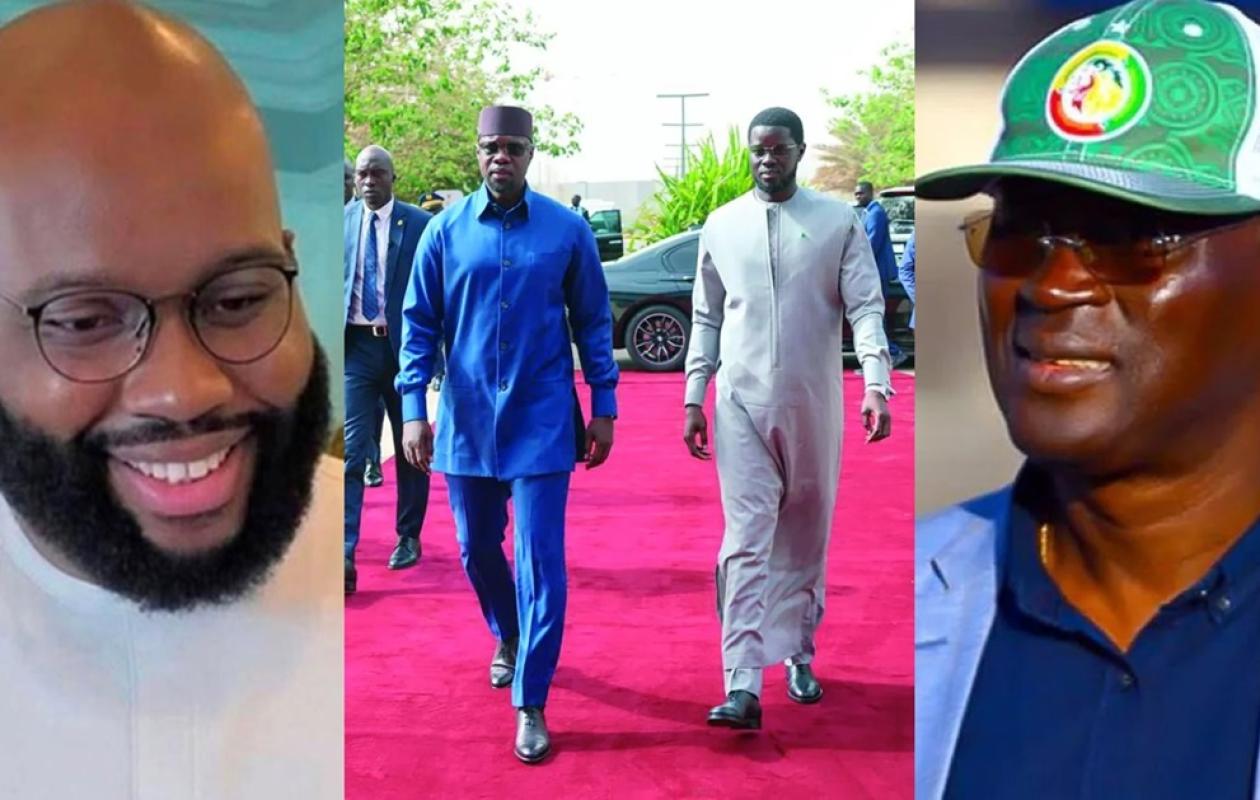
[Rétro] Les faits marquants de l'année 2025 au Sénégal
The year 2025 will remain etched in the collective memory of Senegal as a period of profound upheaval. Between major political upheavals, the management of persistent health crises, and poignant human tragedies, let's look back at the events that have left an indelible mark on the nation.
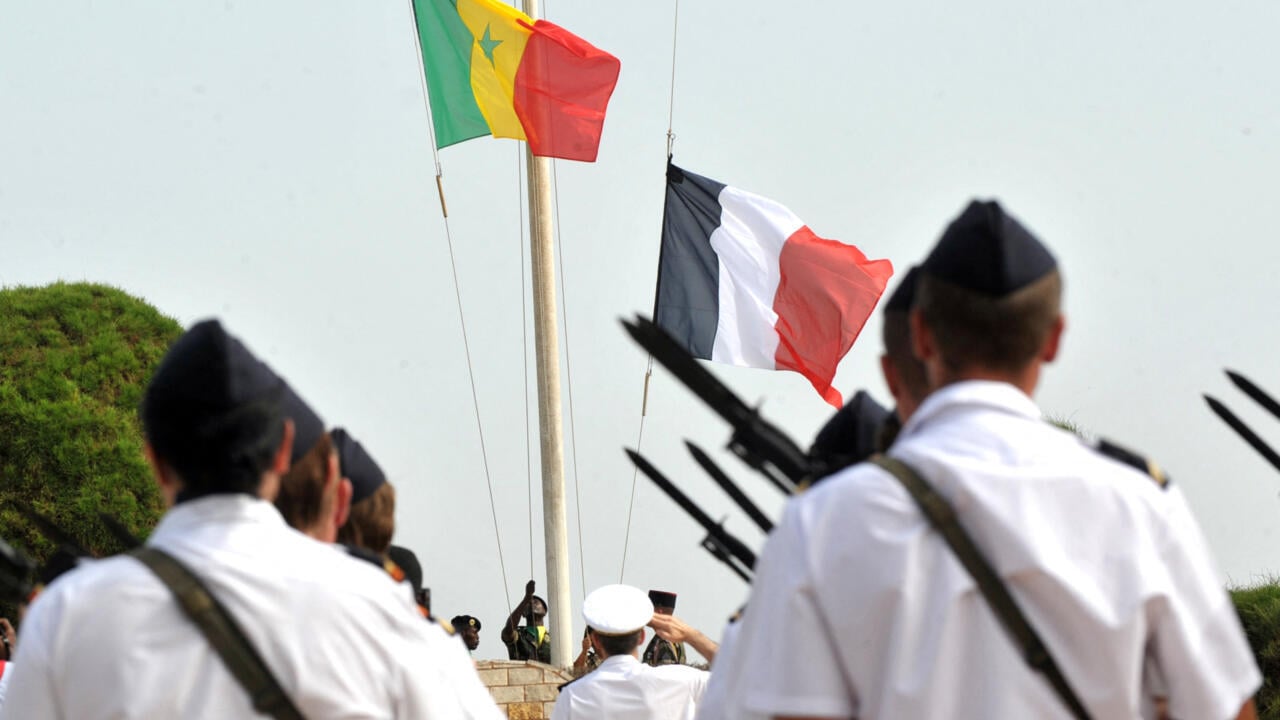
Military sovereignty: The definitive withdrawal of French troops
On July 17, 2025, Senegal ended more than sixty years of French military presence. The return of the sites, notably Ouakam, was presented as an act of sovereignty and an affirmation of national autonomy in defense matters.
However, this closure had immediate social consequences: many civilian employees and contractors lost their jobs. A symbolic departure leaving an economic void.
Duty of remembrance: The historical rehabilitation of Thiaroye 44
On December 1, 2025, the Senegalese state officially rehabilitated the Thiaroye 44 riflemen. A commemorative ceremony was held on the site in homage to the African soldiers killed in December 1944 after demanding their pay.
Their memory has been enshrined in the national narrative, with official recognition of their sacrifice and the preservation of the site. A gesture of remembrance that redresses a historical injustice.
The Diomaye-Sonko tandem faces the test of power
The year 2025 was a pivotal one for Senegal, marked by profound political and institutional tensions. Bearing immense popular hope after years of protests, the leadership duo of Bassirou Diomaye Faye and Ousmane Sonko quickly found themselves confronted with the complexities of governing, in a climate of high social expectations and institutional resistance. From the very first months of 2025, the new government had to contend with strained public finances.
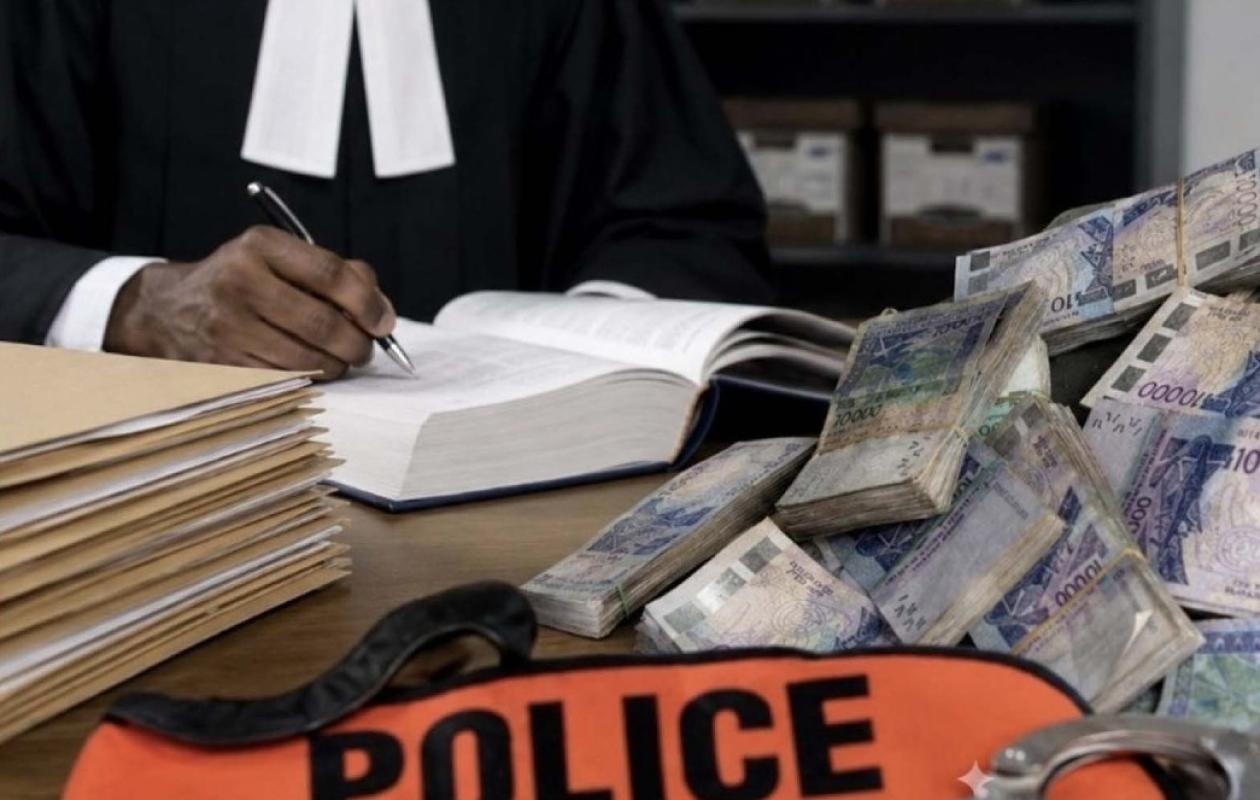
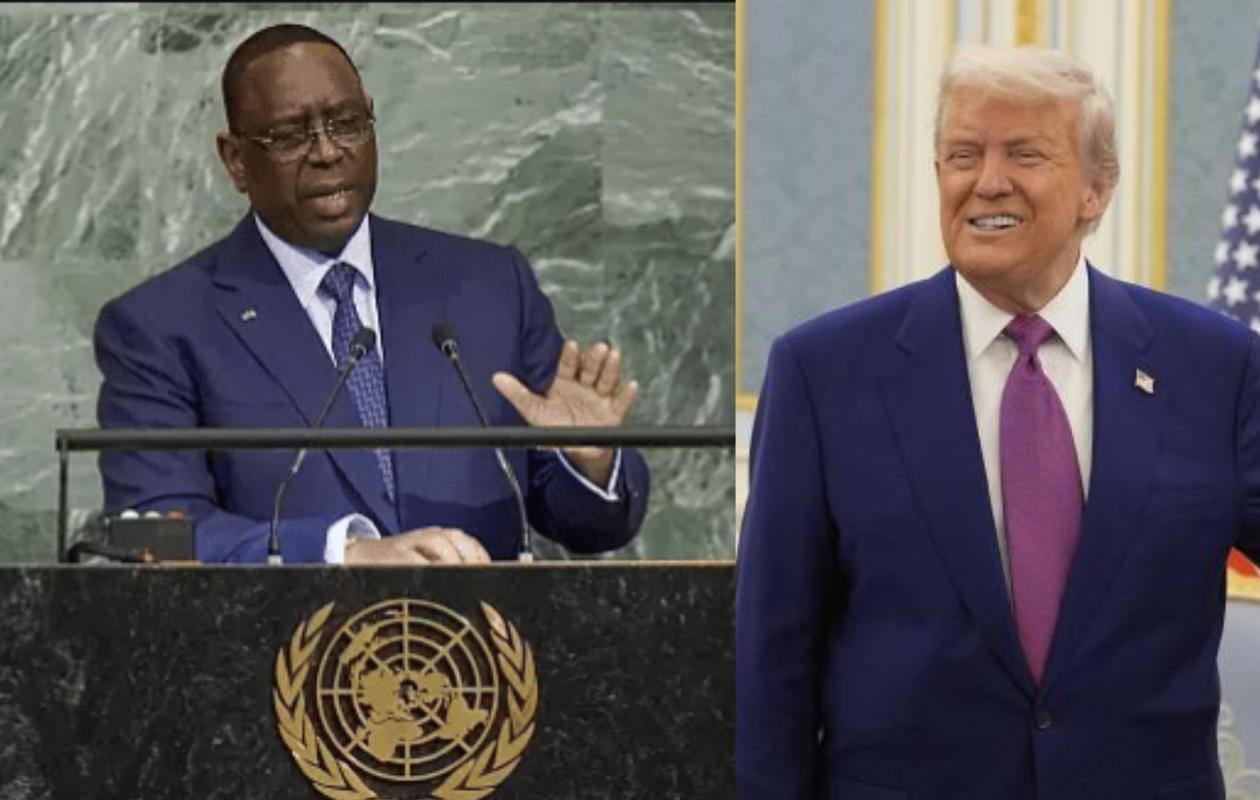
The radical break with the past, championed by Ousmane Sonko and Bassirou Diomaye Faye, clashed with the realities of the state, highlighting the difficulty of aligning political ambition with institutional capacity. The year was marked by recurring friction between the executive branch and certain key institutions, particularly regarding judicial reforms, accountability, and the restructuring of the state apparatus. Announcements of legal proceedings against former officials, notably former President Macky Sall, reignited the debate on judicial independence, caught between a stated commitment to combating impunity and accusations of political score-settling.
In 2025, Senegal nearly relived the events of 1962. At the highest levels of government, a crisis seemed to be brewing between the President of the Republic and his Prime Minister, Ousmane Sonko. This crisis regularly reignited public debate about the balance of power at the top of the state.
Health alert: Between Rift Valley fever and Mpox
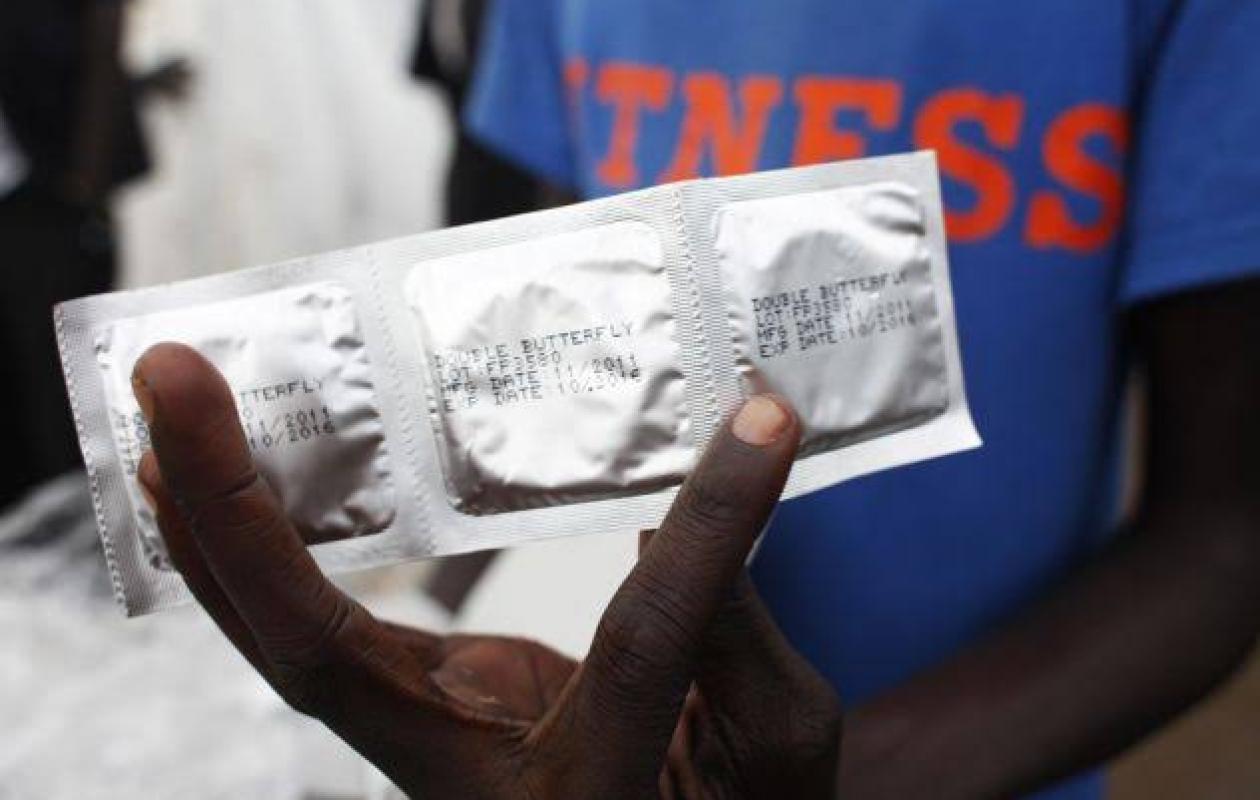
The year 2025 was marked by a dual health alert that mobilized the authorities. In September, an outbreak of Rift Valley fever struck Senegal, primarily the Saint-Louis region, before spreading. By December 14, the country had recorded 554 confirmed cases, including 31 deaths and 520 recoveries, prompting the government to strengthen its response measures. Simultaneously, the detection of Mpox reignited concerns. Since the first confirmed case on August 22, 2025, 9 confirmed and 2 probable cases have been identified, mainly located in Dakar and Ziguinchor. While this second threat remained under control, with no deaths and all patients fully recovered, it nonetheless brought the importance of epidemiological surveillance and prevention at the national level to the forefront.
Football: The end of the Augustin Senghor era
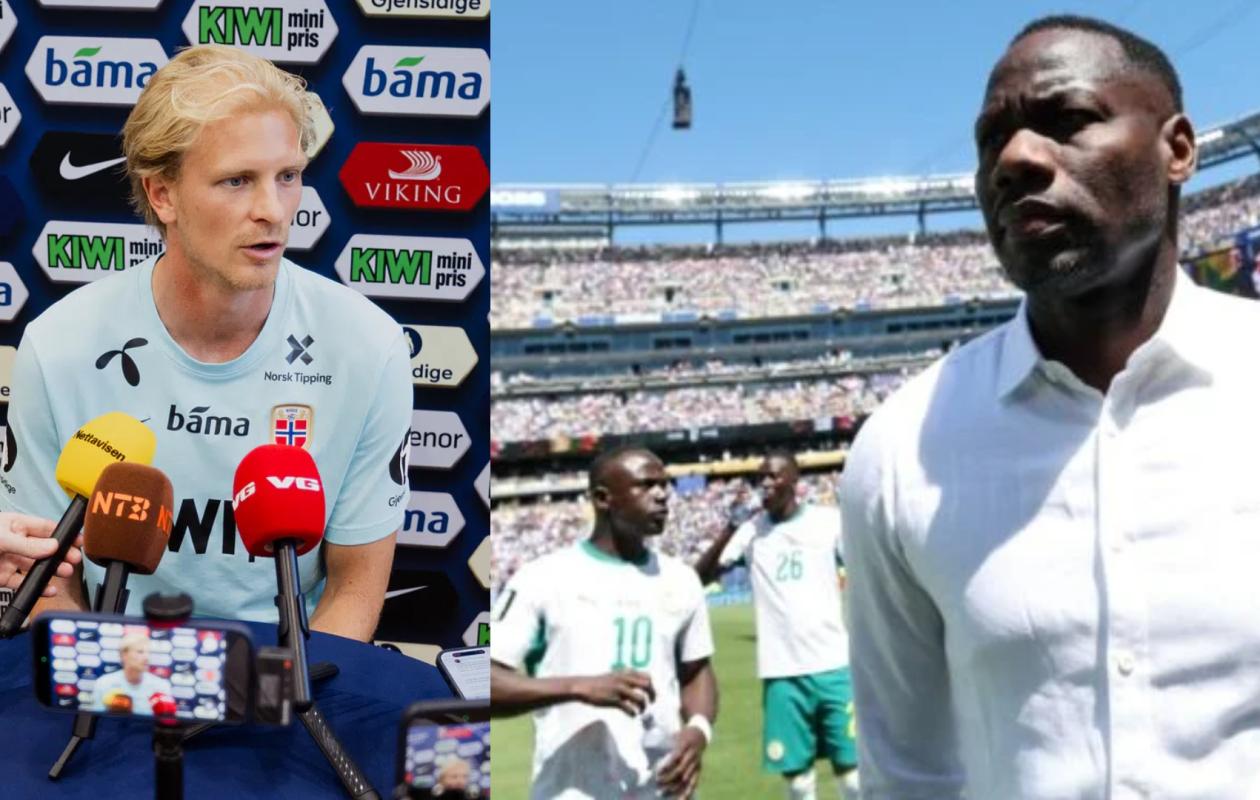
On August 3, 2025, Augustin Senghor left the presidency of the Senegalese Football Federation (FSF), which he had led since 2009. Defeated in the first round of the election, he ended his sixteen-year term.
His departure marked the end of a reign punctuated by successes, including the 2022 Africa Cup of Nations, but also by criticism of the federation's governance. A major turning point for Senegalese football.
Madiambal Diagne's exile: A legal and media battle
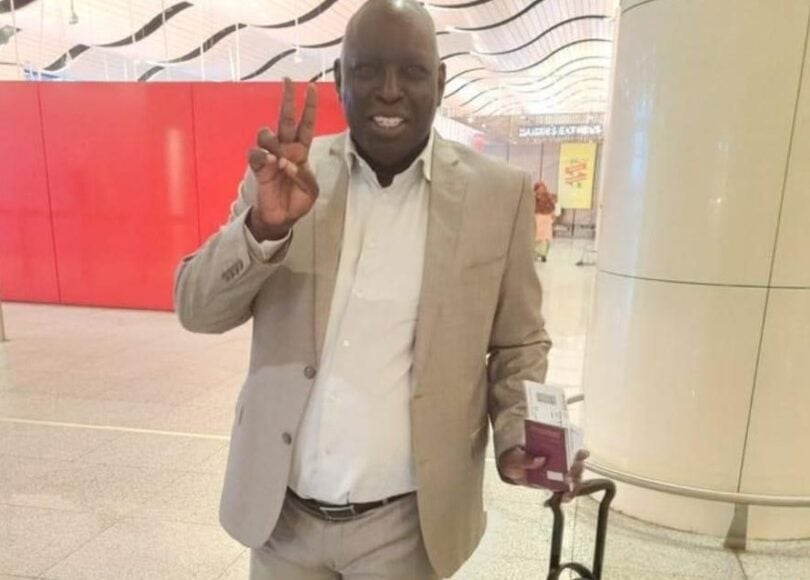
Journalist Madiambal Diagne left Senegal despite an official travel ban. At the same time, his wife and son were arrested as part of legal proceedings, further escalating the case.
This unexpected leak highlighted the flaws in the judicial system and took on an international dimension with extradition proceedings in France, suspended by Dakar. This standoff crystallized the debates surrounding the press and the justice system.
Strategic reshuffle: The dismissal of Ousmane Diagne
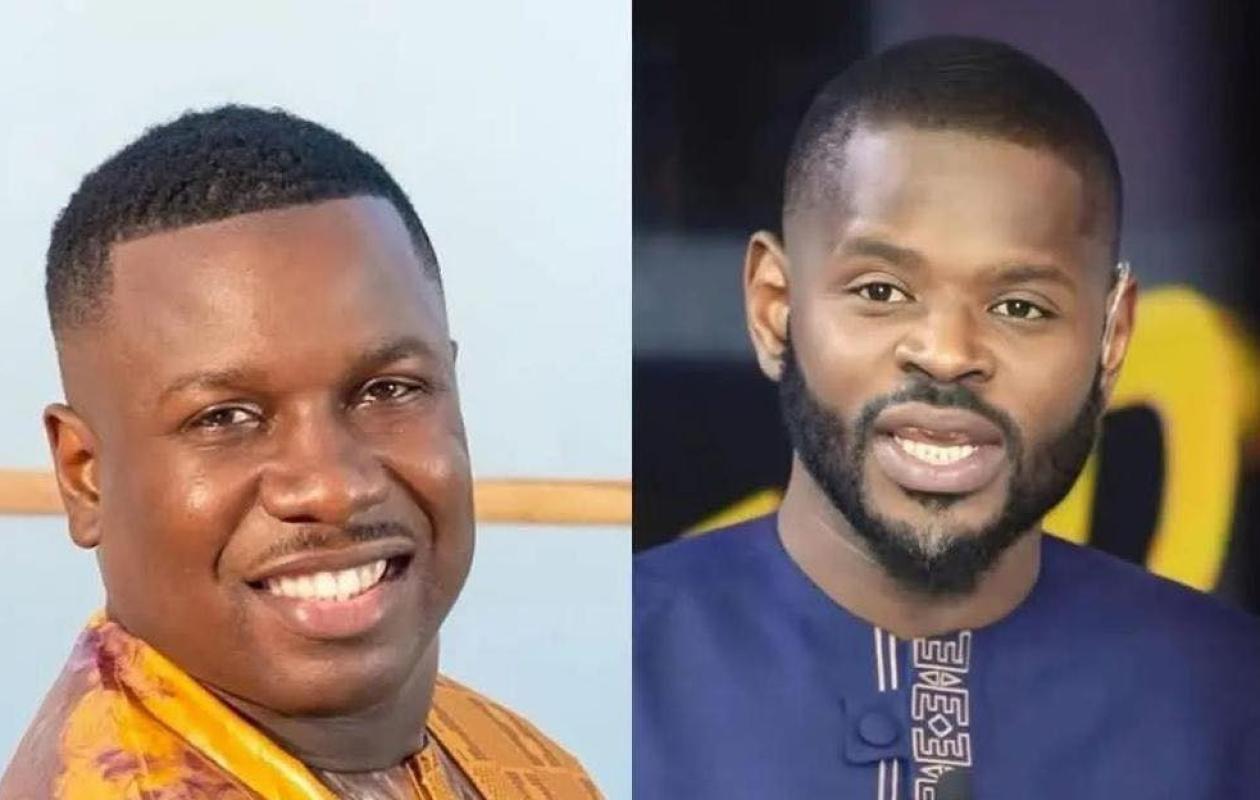
In September 2025, President Bassirou Diomaye Faye dismissed Ousmane Diagne, the Minister of Justice. This departure, followed by a cabinet reshuffle, marked a major political turning point by affecting a strategic position at the heart of the institutions.
This decision was seen as a desire to reorient judicial policy and give new impetus to government action.
Diplomacy: A year of decline on the international stage
2025 was marked by a series of diplomatic setbacks for Senegal. On the financial front, the failure to appoint Amadou Hott as president of the African Development Bank (AfDB) was seen as a symbolic defeat for the country, which had long been considered well-positioned in African economic circles.
In the realm of sport and international governance, Khady Diène Gaye, the Minister of Sports and Youth, lost the presidency of the Conference of the Parties (COP 10) to the International Convention against Doping in Sport. This position had long been held by her predecessor, Matar Ba, under the Macky Sall administration. Meanwhile, former president of the Senegalese Football Federation, Augustin Senghor, failed to establish himself within the Confederation of African Football (CAF), confirming a weakening of Senegal's influence in continental sports bodies.
The health sector was not spared, with Professor Ibrahima Socé Fall not being appointed to head the World Health Organization's (WHO) Africa office. This occurred despite the key positions the epidemiologist held within the UN organization.
Media: A time of distrust and boycott
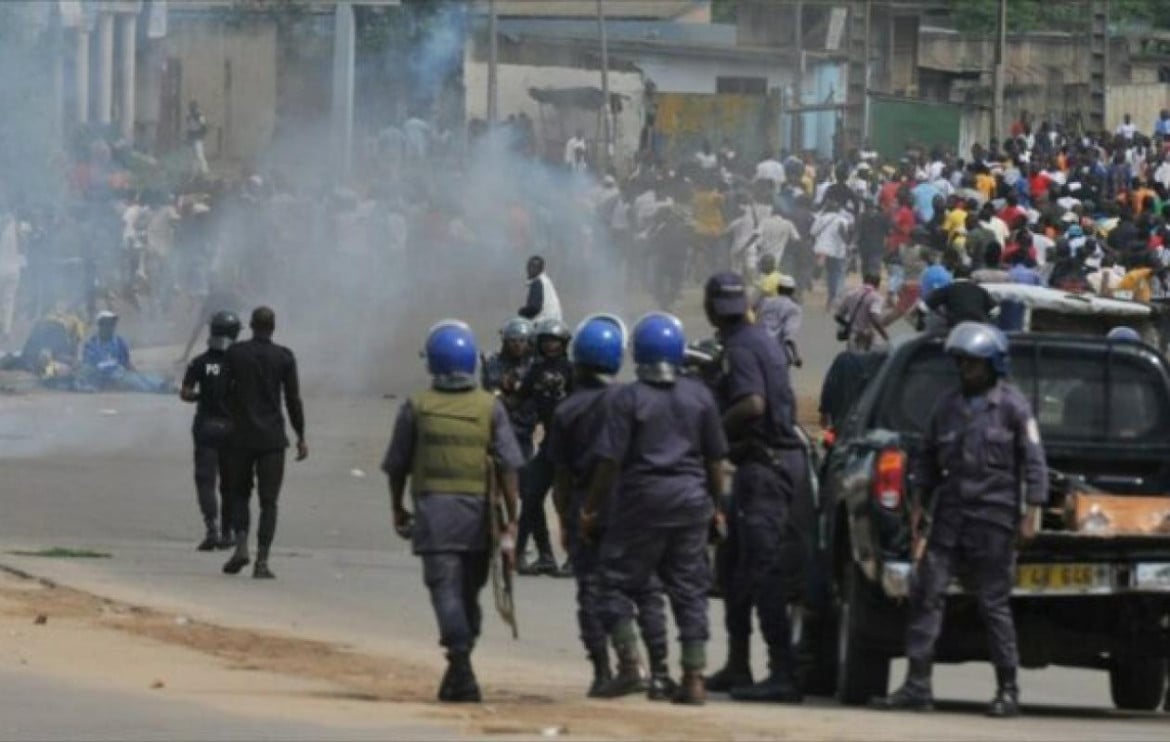
2025 will remain a painful memory for some media professionals and press companies. The year will be remembered as one of the most tense in relations between the Senegalese press and the political authorities since the change of government, with some considering it a red line for press freedom. Indeed, several journalists and columnists were arrested, detained, or summoned by the judicial authorities. These incidents provoked a strong reaction from press and human rights organizations, which saw them as an attack on press freedom.
The ruling party's boycott of the TFM television channel was one of the most significant events of the year. Decided on what it perceived as hostile and biased coverage, this boycott broke with a tradition of minimal dialogue between the authorities and major private media outlets. Adding to these tensions was the controversy surrounding the Press Support and Development Fund, focusing on eligibility criteria and the risk of its being used for political purposes.
The university is experiencing renewed unrest.
Another year marked by a prolonged strike by students in public institutions, revealing the structural difficulties of higher education. The demands focused primarily on the payment of scholarships. Despite calls for dialogue and some attempts at mediation, the authorities' responses were deemed insufficient or belated. In any case, this strike served as a stark warning about the state of the university system and the urgent need for lasting reforms.
Lions of Téranga: The “Remontada” of Kinshasa
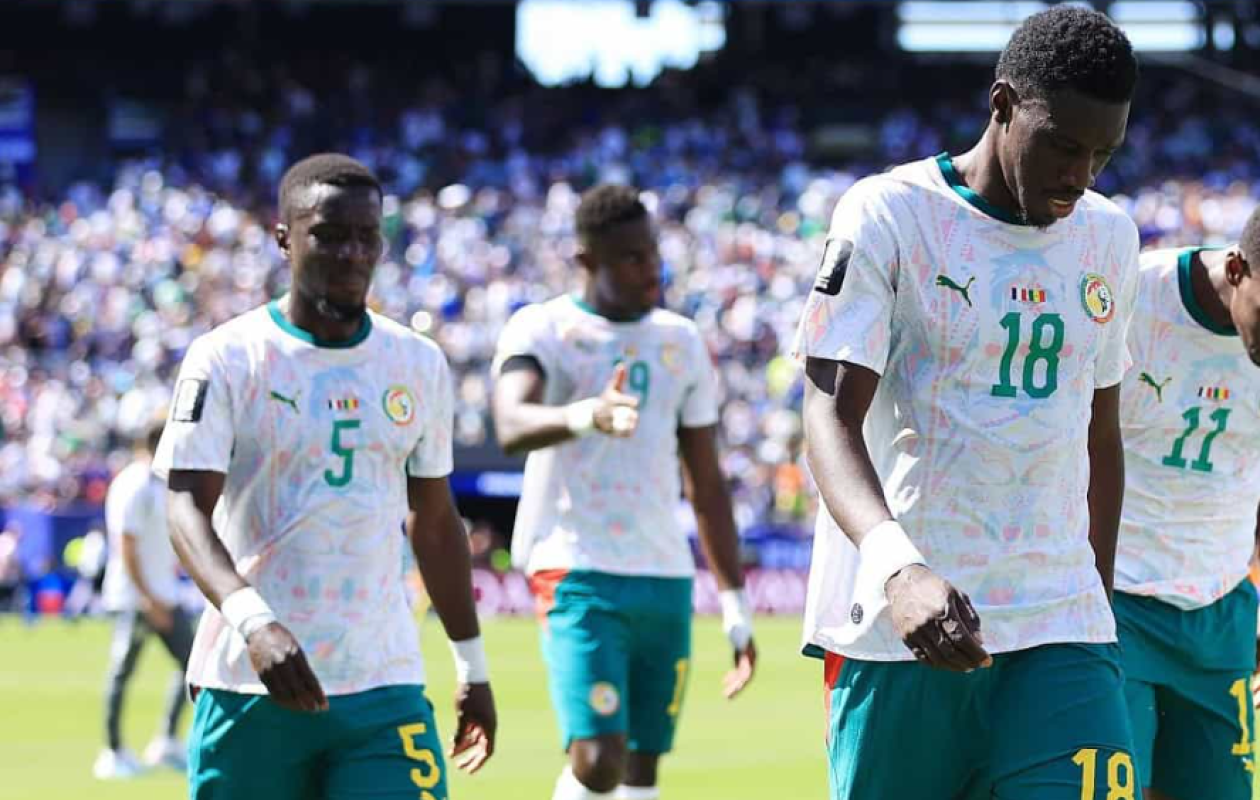
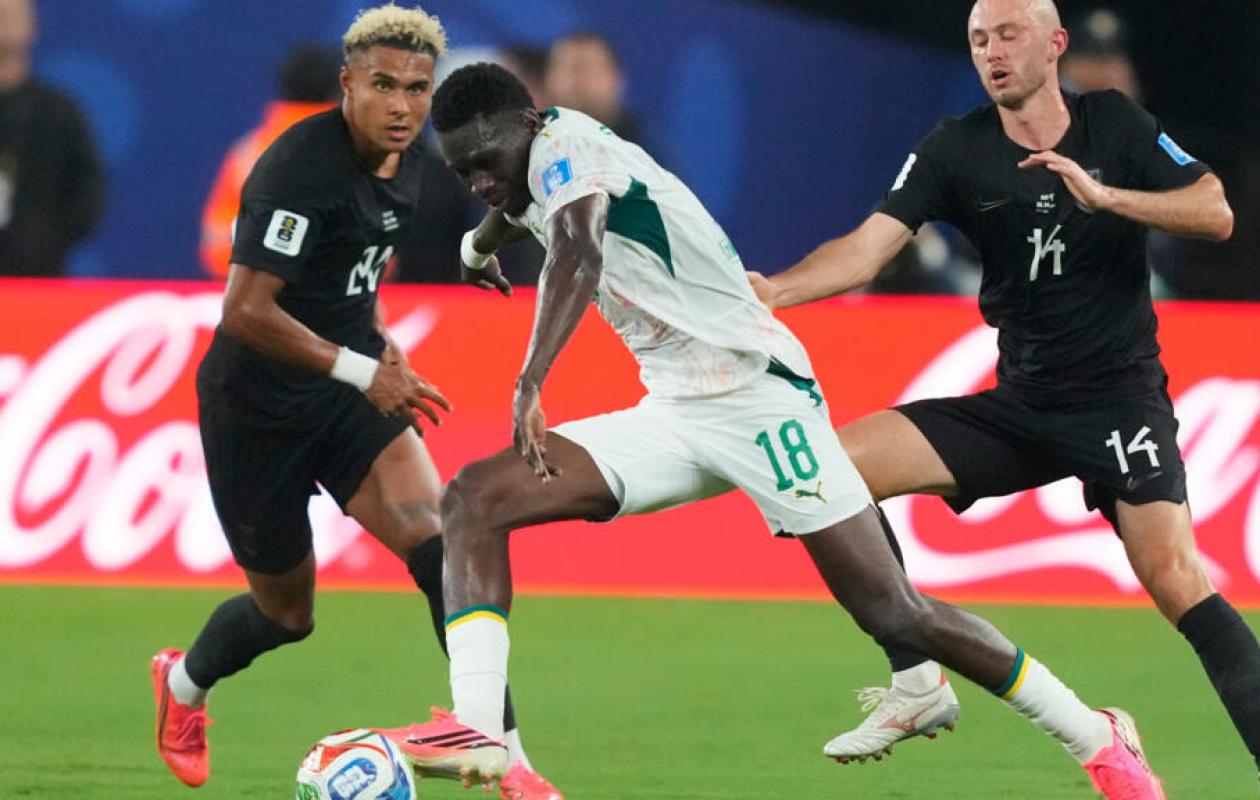
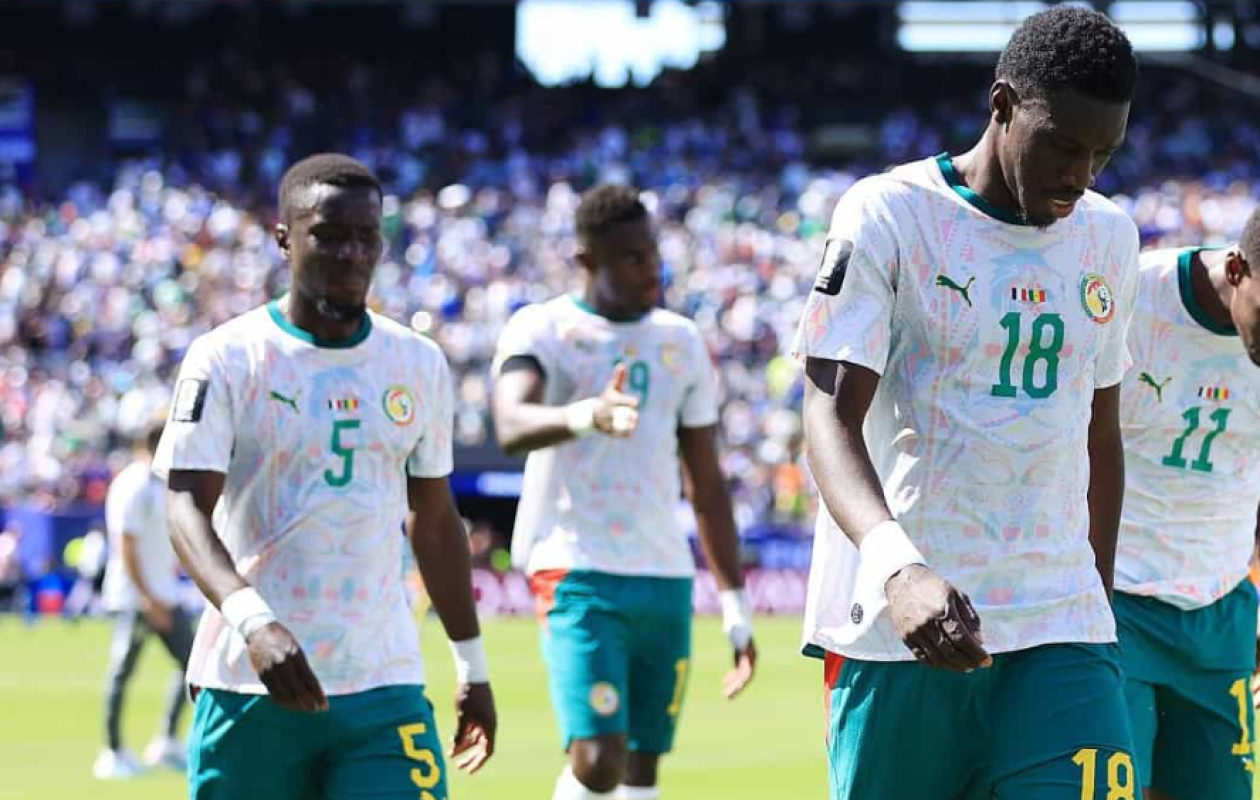
The match between Senegal and the Democratic Republic of Congo will remain etched in the memory of Senegalese supporters thanks to a spectacular encounter during the qualifiers for the 2026 World Cup. Against DR Congo, who were playing at home, the Lions of Teranga had a difficult start, quickly finding themselves in trouble with a score of 2 goals to zero for the DRC.
But the Senegalese national team managed to turn the tide. This 3-2 victory allowed Senegal to take the lead in their group, strengthening their chances of qualifying for the 2026 World Cup.
Cybersecurity: The fall of the "Kocc Barma" empire
The "Kocc affair," also known as the Kocc Barma affair, is a major cybercrime and sexual blackmail scandal in Senegal. El Hadji Babacar Dioum, accused of being behind the pseudonym Kocc Barma, is suspected of having run a network for several years that collected, stored, and distributed intimate videos and images without the victims' consent, often for the purposes of blackmail and extortion. Thousands of digital files were seized during the investigation conducted by the Special Cybercrime Division. Arrested and remanded in custody in July 2025, he faces several serious charges. To date, this case is considered the largest cybercrime case in Senegal.
Kumasi tragedy: Sheikh Tour 's shattered dream
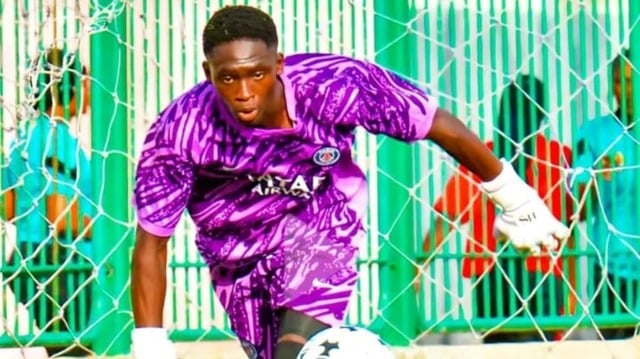
In October 2025, 17-year-old Senegalese goalkeeper Cheikh Touré was kidnapped in Ghana by a network of fake recruiters and then murdered. Lured to Kumasi for a supposed test, he was tricked and killed.
His body was repatriated and buried in Senegal. Thanks to the investigation, two other young men, Momo and Bamba, were freed and returned to the country. This tragedy highlights the dangers of sports scams.
The Nogaye Thiam case: A tragedy behind closed doors
In November 2025, 23-year-old Nogaye Thiam was found dead in her bedroom while living with her in-laws. Her one-year-old baby remained with her mother's body for several days.
The child survived by feeding on breast milk before being discovered. This tragedy led to the opening of a judicial inquiry, deeply shocking public opinion.
Baby news at the Palace
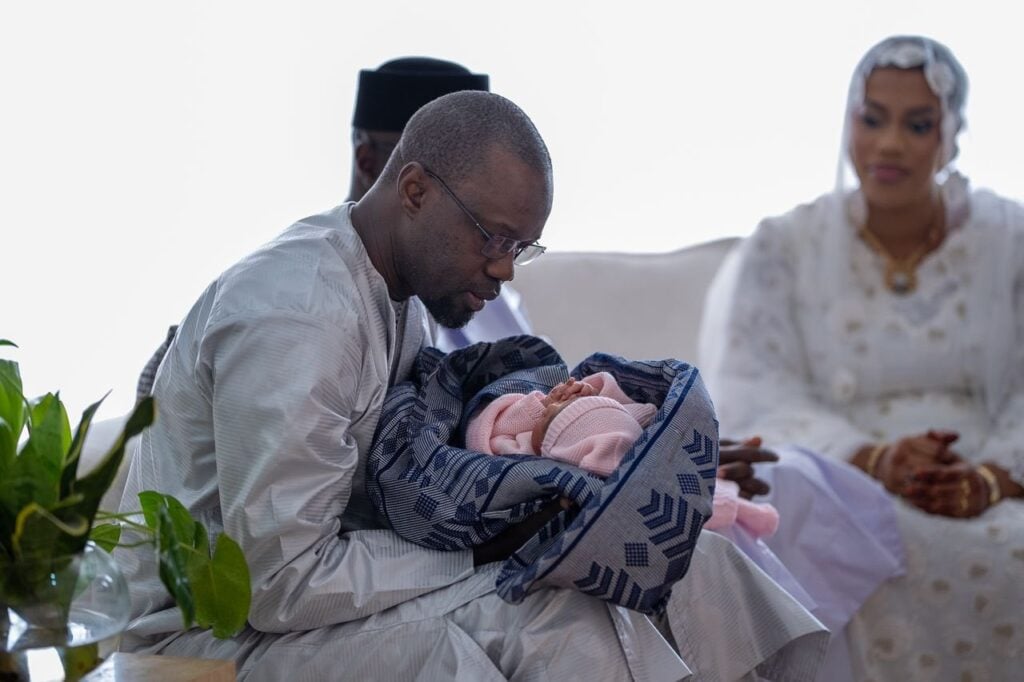
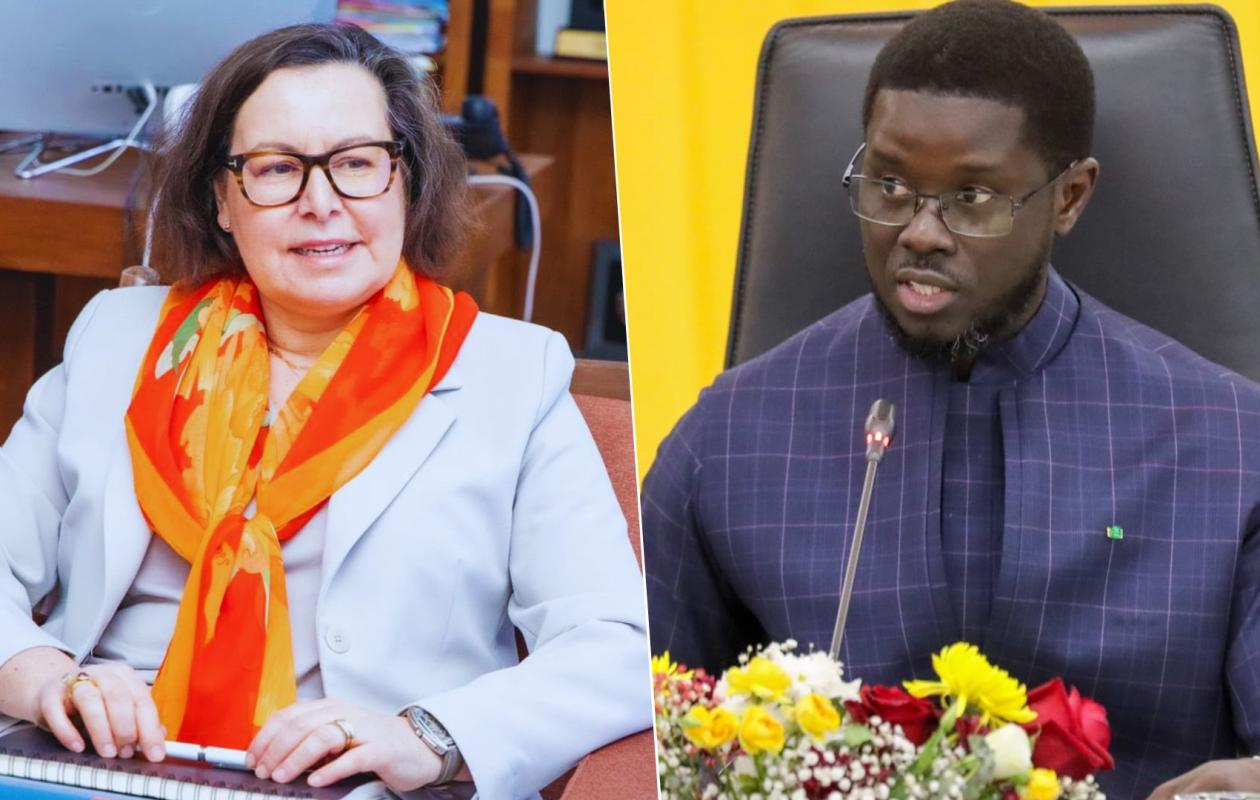
2025 was also marked by an unprecedented event in Senegal: the birth of the First Lady, Absa Faye's, child. Indeed, First Lady Absa Faye, wife of President Bassirou Diomaye Faye, gave birth to their first daughter on January 23, 2025. The event, initially denied by the presidency, was confirmed in the Senegalese press as an official announcement from the presidential palace. This moment was widely celebrated in the country and on social media, generating messages of congratulations and solidarity.










Commentaires (11)
Pastef c’est des ignorants incultes et indisciplinés, dont les plus nantis intellectuellement ont obtenu un baccaureat litteraire avec à peine 10 de moyenne et ont suivi des formations bidons sans aucun critère d'excellence. Dans un système sélectif et méritocratique, les plus chanceux d'entre eux ne pourraient prétendre à plus qu'un poste de femme de ménage ou de vigile d'officine. Cette bande de cancres ne comprend rien d’un état et se contente de faire allégeance à Sonko. Ce régime a battu le record mondial dans la nomination de personnes intellectuellement limitées à des postes de Directeur, de PCA, et de PCS. Jamais dans l’histoire du Sénégal des cancres aussi vides n’ont été nommés en si grand nombre. Du moment que les nominations ne répondent à aucune exigence de compétence, d’excellence, de parcours académique ni d’expérience professionnelle, n’importe quel saltimbanque se voit dans un costume de directeur ou de PCA en se disant pourquoi l’autre et pas moi étant donné que nous sommes tous d’égal médiocrité. Voilà ce qui crée un gang de frustrés, qui alimentent les discours haineux et séparatistes dans les réseaux sociaux. Rien ne marche dans aucun domaine et certains pensent que ce sont les finances publiques qui sont en difficulté mais non, la vérité c’est qu’ils ont nommé des nullards partout et ils ne peuvent rien faire.
Emmanuel Macron, qui s’est entretenu avec le président ukrainien après la rencontre de ce dernier avec Donald Trump en Floride, a par ailleurs affirmé que les alliés de Kiev se réuniront au début de janvier à Paris.
La diplomatie sénégalaise traverse aujourd’hui une phase préoccupante. Longtemps reconnue pour sa stabilité, son sens du dialogue et son influence régionale, elle semble désormais en manque d’idées nouvelles et d’actions fortes. À l’heure où les équilibres géopolitiques se recomposent rapidement, le Sénégal donne l’image d’une diplomatie enlisée dans l’immobilisme.
Ce malaise tient avant tout à l’absence d’une doctrine diplomatique claire. Aucune vision stratégique lisible ne semble guider l’action extérieure de l’État, ni à court ni à long terme. La politique étrangère apparaît davantage réactive que proactive, s’ajustant aux événements plutôt que les anticipant. Cette posture affaiblit la capacité du pays à défendre ses intérêts, à peser dans les instances régionales et internationales et à se positionner face aux nouveaux enjeux sécuritaires, économiques et climatiques.
Les récentes nominations au sein de l’appareil diplomatique s’inscrivent dans ce climat d’incertitude stratégique. Elles donnent le sentiment de décisions parfois automatisées, prises sans évaluation rigoureuse des compétences réelles au regard des exigences du poste et des objectifs assignés. L’absence apparente de critères transparents, fondés sur des fiches de poste clairement définies, alimente le doute quant à la capacité de ces choix à renforcer l’efficacité et la crédibilité de la diplomatie sénégalaise.
Or, dans un environnement international de plus en plus complexe et concurrentiel, la diplomatie ne peut se réduire à une gestion administrative des carrières. Elle exige une sélection exigeante des profils, une maîtrise fine des dossiers, une capacité d’anticipation et une vision stratégique cohérente, portée par des acteurs légitimes et compétents.
Plus que des ajustements ponctuels, c’est d’un véritable sursaut que la diplomatie sénégalaise a besoin. Cela implique une réflexion de fond sur les priorités nationales, une clarification des intérêts stratégiques du pays et la mise en place d’une doctrine diplomatique assumée, articulée autour d’objectifs précis et mesurables.
Sans vision, sans doctrine et sans exigence de compétence, la diplomatie risque de perdre ce qui a longtemps fait sa force : sa crédibilité, son influence et sa capacité d’initiative. Le moment est venu de rompre avec l’immobilisme et de redonner à l’action extérieure du Sénégal une ambition à la hauteur des défis contemporains.
Ambassadeur
- la fixation sur la personne de Sonko en pensant à l'efficacité de son pouvoir de nuisance (à elle opposition); ce n'est pas une opposition productrice de ce qui pourrait intéresser le sénégalais, c'est une opposition destructrice de ce qu'elle pense que le sénégalais aime: la personne de Sonko.
- le défaut de ne pouvoir tracer une ligne d'opposition où le sénégalais ne retrouve pas le diabolique Macky Sall; elle échouera toujours tant qu'elle n'évitera pas de s'afficher en défense de Firaouna Sall: par exemple en voulant faire des conséquences de la dette cachée de Macky une incompétence de Sonko,
- la carence intellectuelle de savoir conceptualiser la réalité qu'elle a en face pour en tirer des pensées fondatrices et productrices d'une nouvelle opposition à la ligne PASTEF, et ce serait ces pensées qui vont structurer la communication, et donc les titres de leur presse de soutien. L'opposition vit l'exact contraire, elle est dirigée par les mots vides des titres de la presse, qui est dépassée par les réseaux sociaux comme partout ailleurs dans le monde.
Cela demande un temps de réflexion que le politicien, pressé par les besoins d'éditions des médias, ne peut pas avoir.
Cette opposition aura 5 ans de réactions aux éternuements de Sonko. Les besoins pressants d'éditions des médias ne lui laisseront pas le temps de faire autre chose.
La boucle est bouclée.
Mais le cas de Elhadji Dioum ma fait très mal Je connais le messieurs pour avoir travailler pour lui il est très sérieux et travailleur il emploie des centaines de personnes j’ai été un peu soulagé quand il a tapé sur la table pour dire qu’il n’est pas ce Kocc et moi je le crois mon rêve c’est d’être comme lui bilaye
Participer à la Discussion
Règles de la communauté :
💡 Astuce : Utilisez des emojis depuis votre téléphone ou le module emoji ci-dessous. Cliquez sur GIF pour ajouter un GIF animé. Collez un lien X/Twitter, TikTok ou Instagram pour l'afficher automatiquement.