Beaucoup de flux, peu d’ancrage : quand l’investissement reste de passage
West Africa attracts significant financial flows. Foreign direct investment, portfolio investments, purchases of government bonds, multilateral financing, and international trade regularly fuel the region's economies. Yet, this financial presence does not always translate into lasting integration within the local productive system. Money circulates, but it doesn't necessarily take root.
The distinction is essential. Capital can enter a country without actually contributing to its economic transformation. Buying sovereign bonds, financing a one-off commercial operation, or investing in raw material extraction does not produce the same effect as establishing a factory, developing a subcontracting chain, or providing long-term training for a local workforce.
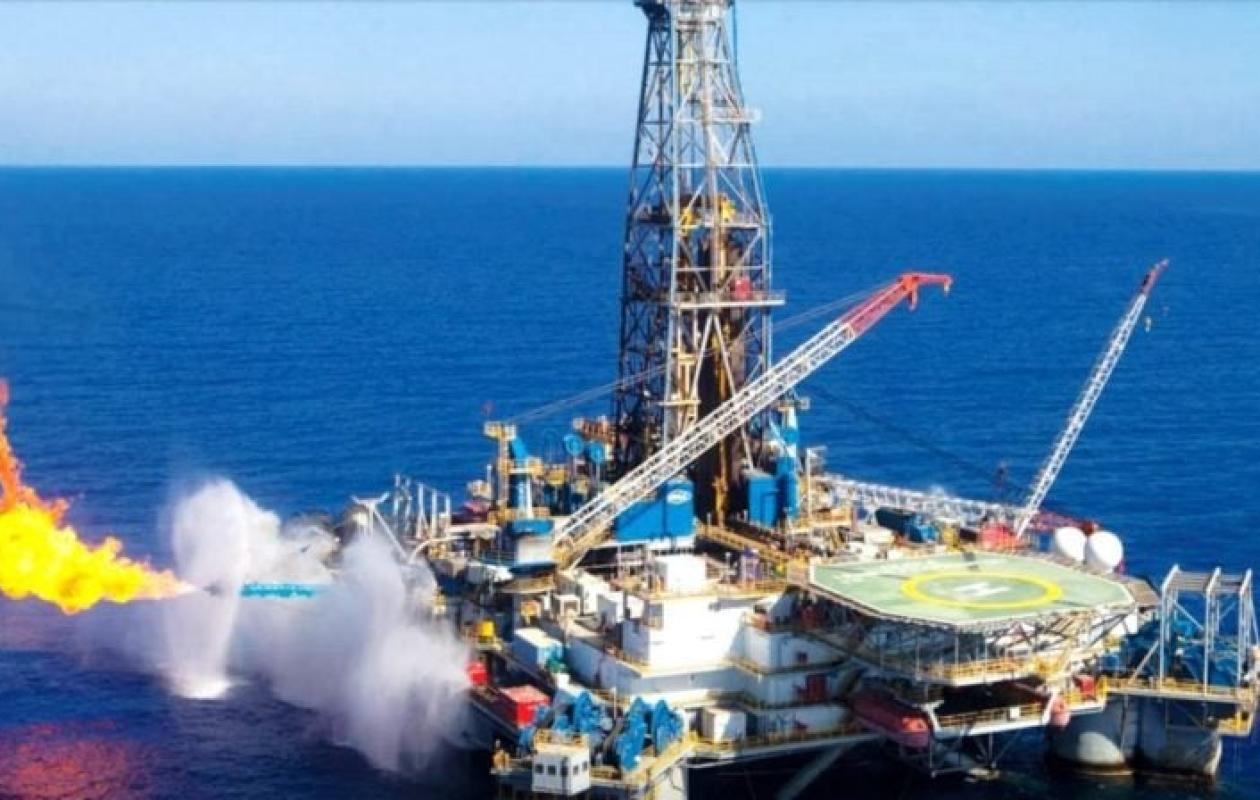
Foreign direct investment often gives the impression of a long-term commitment, but its structure deserves close examination. In West Africa, a significant share of FDI is concentrated in hydrocarbons, mining, telecommunications, and extractive infrastructure. These sectors attract substantial sums of money, but a significant portion of the added value, profits, and strategic decisions remain located outside the continent.
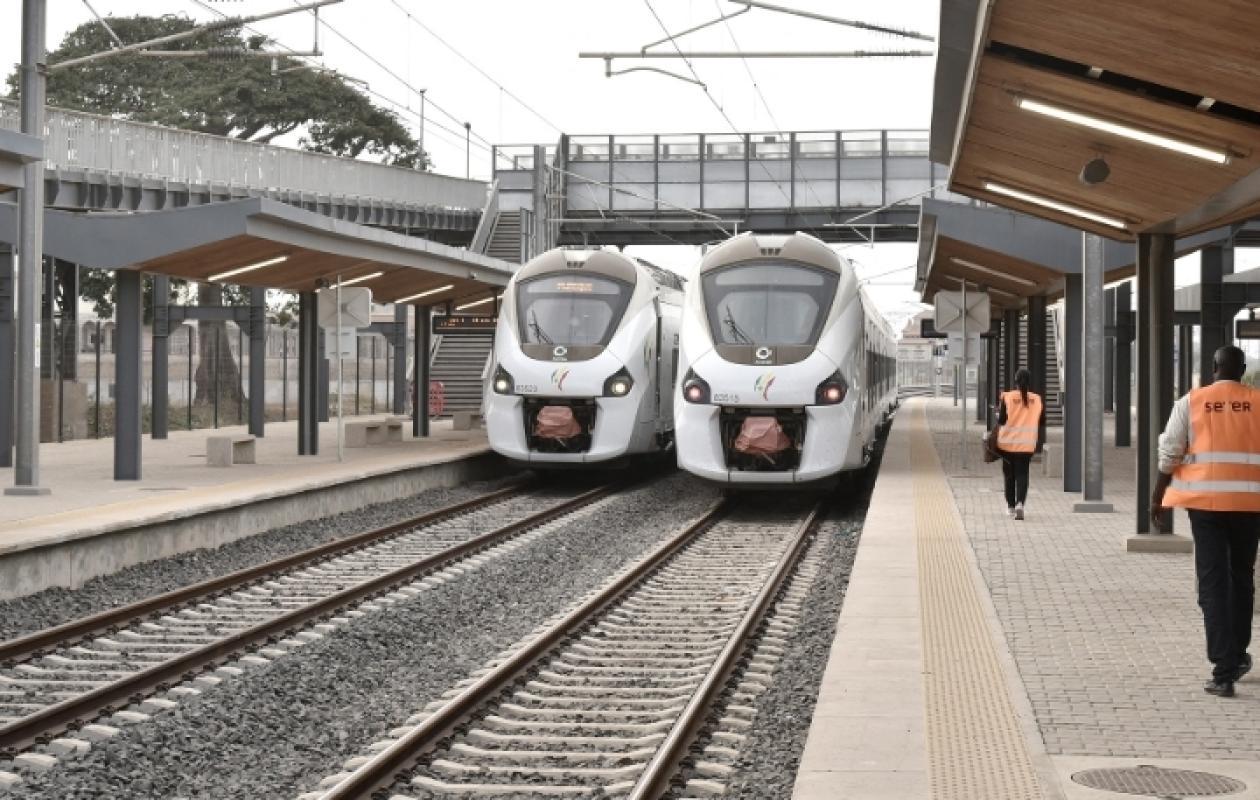
Senegal offers a recent example with its oil and gas sector. The Sangomar and Grand Tortue Ahmeyim projects have mobilized several billion dollars in investment. These projects enhance the country's attractiveness and improve its international visibility. However, the central question remains the share of value captured locally, encompassing skilled jobs, national subcontracting, taxation, and industrial transformation.
The same reasoning applies to portfolio capital. International investors buy Eurobonds, regional government bonds, or sovereign bonds when yields are attractive. But these flows can reverse very quickly if political risk increases, if global interest rates change, or if the perception of sovereign risk deteriorates.
Ghana experienced this firsthand during its debt crisis. For several years, the country attracted massive amounts of foreign capital through its international bond issues. When confidence weakened, these flows contracted sharply, making refinancing much more difficult.
Even foreign trade can follow this logic. An international company can use a country as a logistics platform, transit zone, or distribution market without building a true industrial base there. The revenue streams exist, but the productive base remains weak.
This situation creates a paradox. Capital inflow figures may appear robust, yet the economy remains largely unchanged. Financial presence then becomes more visible than industrial roots.
The challenge, therefore, is not only to attract capital, but to change its nature. An economy becomes more robust when investments are accompanied by skills transfers, local production, national suppliers, and sustainable technological capabilities.
An investor who finances a single operation can quickly withdraw. An investor who builds a supply chain, trains employees, and depends on a local ecosystem leaves a very different footprint. That's the crux of the matter.















Commentaires (1)
Participer à la Discussion
Règles de la communauté
💡 Astuce : Utilisez des emojis depuis votre téléphone ou le module emoji ci-dessous. Cliquez sur GIF pour ajouter un GIF animé. Collez un lien X/Twitter, TikTok ou Instagram pour l'afficher automatiquement.
Se connecter
Commentez avec votre profil, votre photo, et soyez averti des réponses.