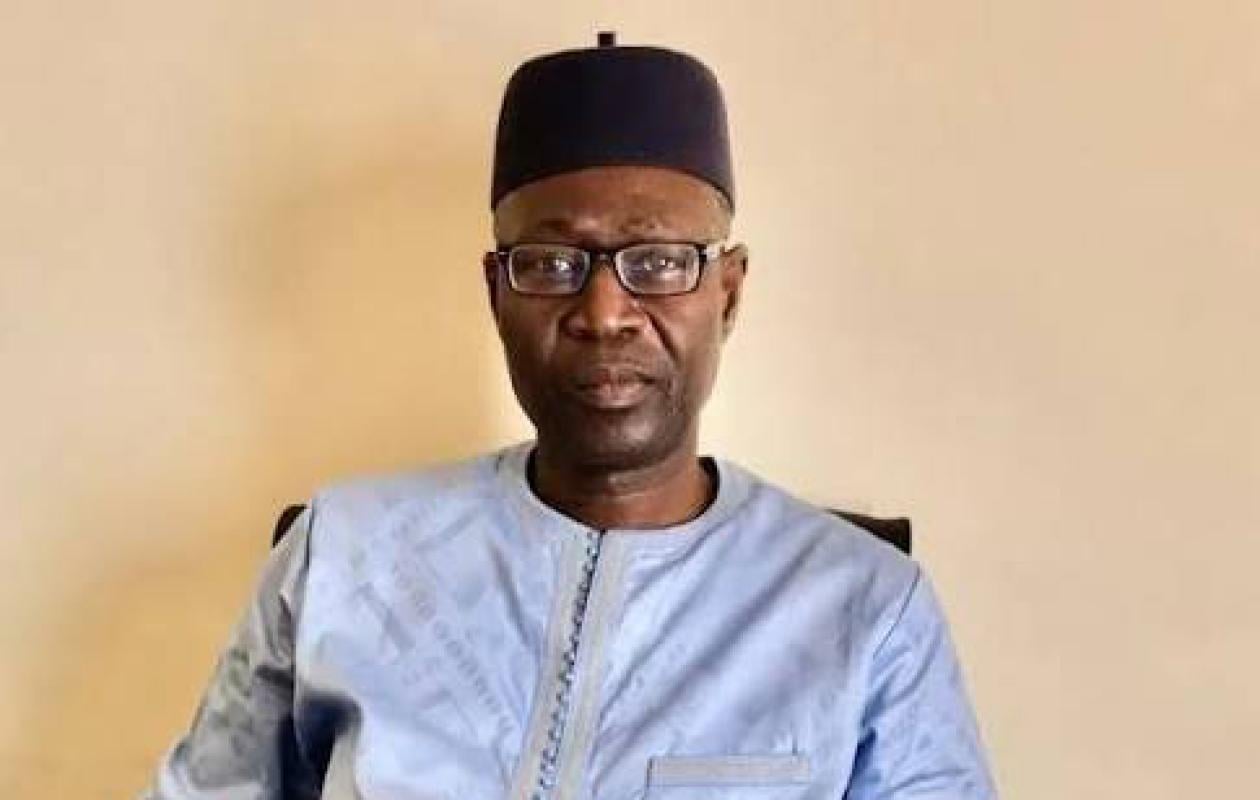
DETTE DU SÉNÉGAL : LE MUR DE MARS N’EST QU’UNE HAIE DANS UNE COURSE DE 400 MÈTRES SUR DES TOURS DE PISTE INTERMINABLES (PR AMATH NDIAYE)
There's a lot of talk about the "March wall" to describe the significant debt repayment deadlines Senegal faces. In reality, this image is misleading. It's not a single obstacle. The current management of public debt is more like a 400-meter hurdles race run over several laps, where each quarter represents a major financial hurdle to overcome.
In 2026, the total debt service is estimated at nearly 5,500 billion FCFA. This burden is spread throughout the year, in the form of successive installments that keep the public treasury under constant pressure.
First quarter: approximately 1,445 billion FCFA
This is the first hurdle in the race. It's particularly high, with several significant repayments due, including the March Eurobond maturity. This concentration of maturities explains why some analysts are talking about the "March wall."
Second quarter: approximately 1,380 billion FCFA
No sooner has the first hurdle been cleared than the second one appears. Financing needs remain very high, forcing the government to regularly return to the market to refinance debt payments.
Third quarter: approximately 1,330 billion FCFA
The pressure remains high. Repayments continue to pile up, maintaining significant strain on the state's treasury.
Fourth quarter: approximately 1,345 billion FCFA
The final hurdle of the year remains just as demanding, confirming that the debt constraint weighs on public finances throughout the year.
But the difficulty doesn't just lie in the series of hurdles. The race actually takes place over several laps of the track.
Indeed, a large portion of the debt is not actually repaid: it is refinanced. In other words, the government borrows again to pay off maturing debts. This refinancing often takes place under increasingly difficult conditions.
higher interest rates, increasingly shorter maturities, and a growing use of one-year Treasury Bills (BATs).
This development increases the refinancing risk and forces the State to frequently return to the market to find new resources.
Thus, Senegal's public debt is not simply a one-off obstacle like the "March wall." Rather, it resembles an endurance race marked by successive hurdles, where each lap requires new borrowing to overcome the next obstacles.
Under these conditions, the central question is no longer just about clearing the next hurdle, but whether the runner can maintain the pace throughout the entire race without stumbling.
Professor Amath Ndiaye
FASEG-UCAD




















Commentaires (5)
Participer à la Discussion
Règles de la communauté :
💡 Astuce : Utilisez des emojis depuis votre téléphone ou le module emoji ci-dessous. Cliquez sur GIF pour ajouter un GIF animé. Collez un lien X/Twitter, TikTok ou Instagram pour l'afficher automatiquement.