
Le rôle des femmes dans la stabilité macroéconomique
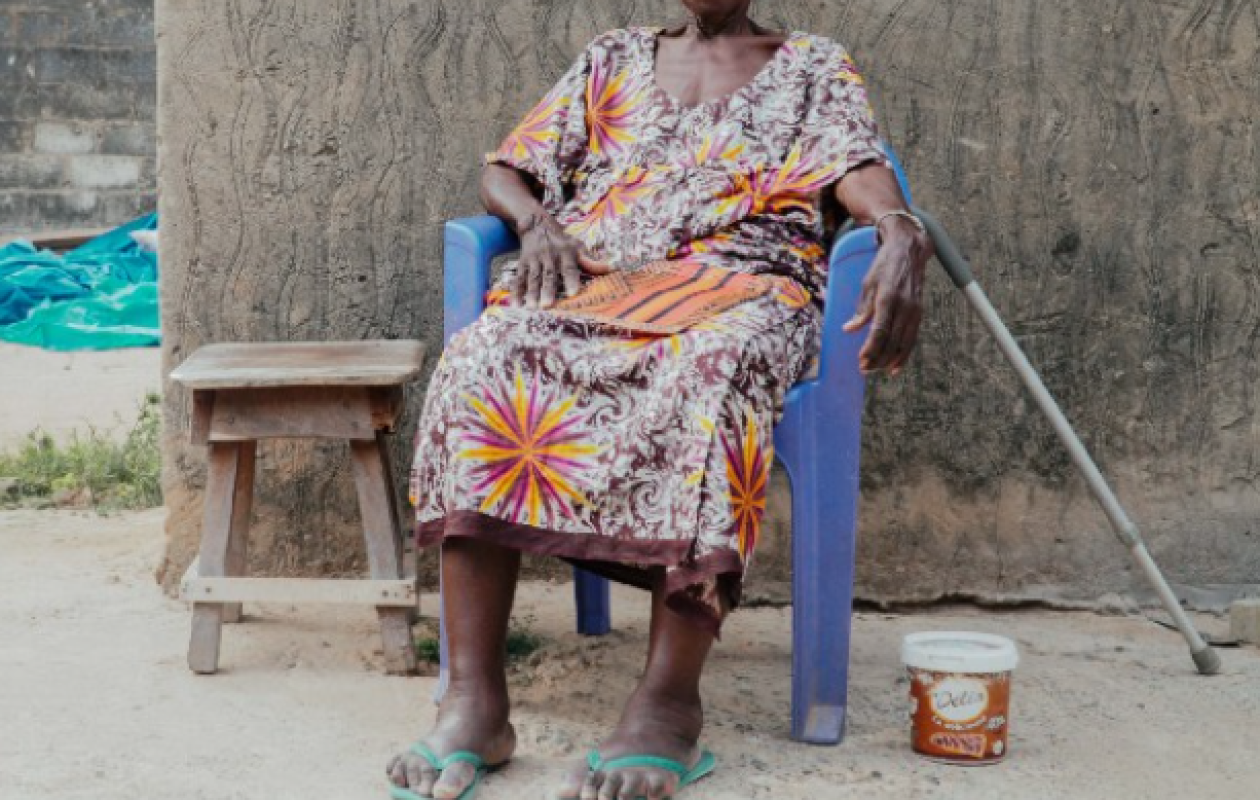
In many African economies, women occupy a discreet but crucial position in macroeconomic balances. Their significant presence in informal entrepreneurship, small-scale trade, and local services fuels a substantial portion of daily activity. These often modest but regular incomes help smooth economic fluctuations and maintain a minimum level of consumption, even during downturns. This stabilizing function operates outside of official statistics, which reduces its visibility in traditional analyses.
At the household level, women play a central role in resource allocation. Managing food, education, and healthcare expenditures gives their decisions an indirect macroeconomic impact. During periods of inflationary shocks or income loss, these trade-offs allow for the absorption of part of the adjustment without an immediate disruption to demand. This adaptive capacity strengthens social resilience and mitigates the transmission of crises to the wider economy. It relies less on capital accumulation than on the careful optimization of available resources.
Family transfers and women's solidarity networks constitute another often overlooked cushioning mechanism. Financial flows between urban and rural areas, or between members of the same community, contribute to an informal redistribution that complements public programs. These monetary flows support local consumption and limit the magnitude of asymmetric shocks. Their diffuse and non-institutionalized nature explains why they largely escape national statistics, despite their real weight in economic dynamics.
This essential contribution, however, remains insufficiently integrated into macroeconomic policy design. The lack of statistical recognition leads to an underestimation of women's impact on overall stability and to the development of reforms that fail to consider these informal regulatory mechanisms. Better measuring and valuing these contributions would allow for more refined economic analyses and strengthen the effectiveness of public policies. Macroeconomic stability does not rely solely on formal financial and budgetary instruments, but also on these social balances largely maintained by women.



















Commentaires (0)
Participer à la Discussion
Règles de la communauté :
💡 Astuce : Utilisez des emojis depuis votre téléphone ou le module emoji ci-dessous. Cliquez sur GIF pour ajouter un GIF animé. Collez un lien X/Twitter, TikTok ou Instagram pour l'afficher automatiquement.