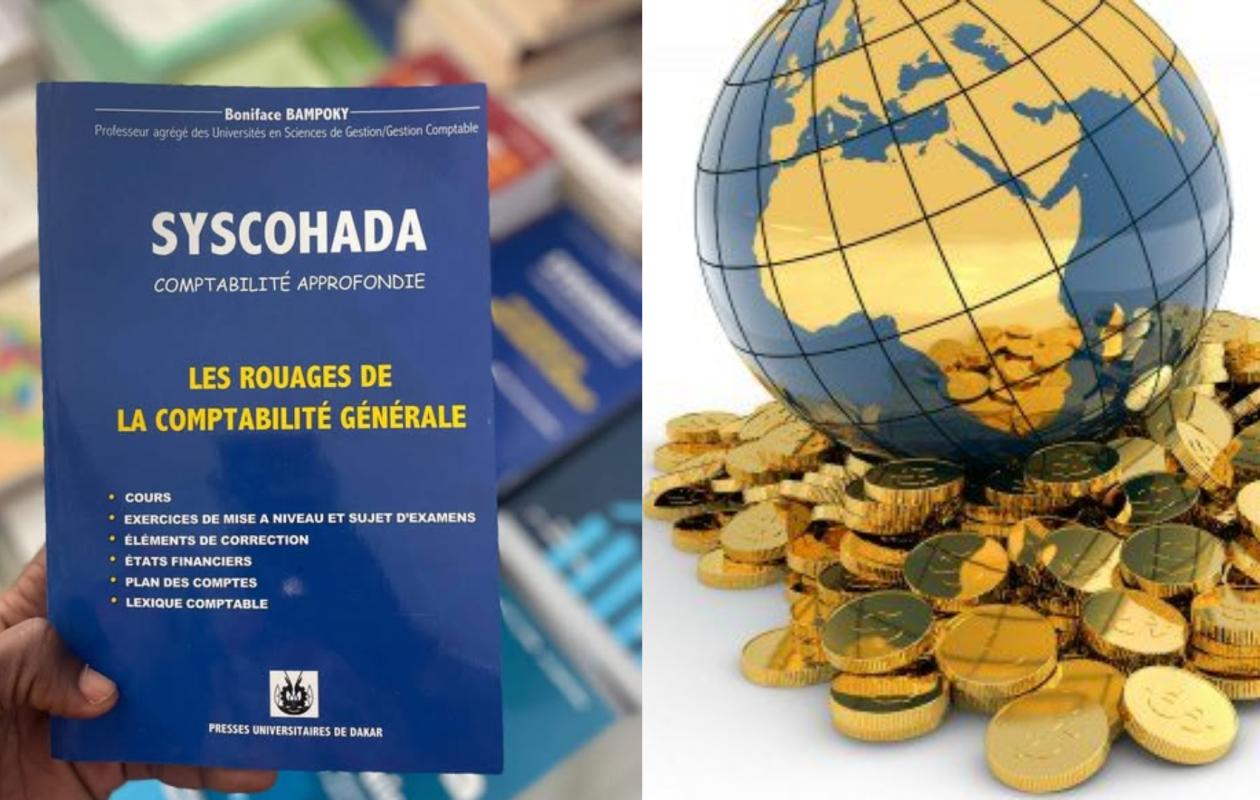
Le SYSCOHADA : la langue financière commune de plus de 20 pays africains
When an investor analyzes the accounts of a Senegalese, Ivorian, Cameroonian, or Beninese company, they should be able to understand the financial statements without having to relearn accounting rules that differ from those of each country. This is precisely the objective of SYSCOHADA. Behind this acronym, which stands for the Accounting System of the Organization for the Harmonization of Business Law in Africa (OHADA), lies one of the most ambitious economic integration projects on the African continent.
Established in 1993, OHADA now comprises 17 member states, with the Democratic Republic of Congo joining in 2012. The region encompasses over 250 million inhabitants and covers a significant portion of West and Central Africa. Within this framework, businesses are subject to a harmonized legal framework in several areas of business law, including accounting.
The SYSCOHADA system is one of the pillars of this harmonization. It defines the rules that companies must apply to record their transactions, prepare their balance sheets, present their financial results and communicate their accounting information.
This standardization addresses a real economic need. Before the advent of harmonized accounting standards, differences in accounting practices between countries made comparisons difficult. The same transaction could be recorded differently under national laws, complicating matters for investors, banks, tax authorities, and trading partners.
Today, a Senegalese company that presents its accounts according to the SYSCOHADA system applies the same fundamental principles as a company located in Togo, Burkina Faso, or Côte d'Ivoire. This consistency facilitates economic exchanges and reduces the costs associated with financial analysis.
The importance of this tool is clearly evident in financing decisions. A bank reviewing a loan application must be able to assess the financial situation of the company in question. Investors considering acquiring a stake need reliable information to measure risks. Financial markets also require comparable data to facilitate investment decisions.
This requirement has become even more important with the development of African capital markets. Within the WAEMU region, the BRVM's market capitalization now exceeds 10 trillion CFA francs. Bond issuances by companies and governments are also increasing. The more significant the resources financial actors mobilize, the more crucial the quality of accounting information becomes.
The SYSCOHADA system is not limited to a simple accounting classification. It also imposes principles designed to improve the reliability of financial statements. In particular, companies must comply with common rules regarding asset valuation, the recording of expenses and revenues, and the presentation of results.
The reform that came into effect in 2018 marked a significant step in this evolution. The OHADA authorities modernized the framework to bring it more closely aligned with international accounting standards used in many economies worldwide. This update aimed to enhance the comparability of African financial information with that produced in other markets.
This convergence reflects an economic reality. African companies are increasingly seeking financing from international investors, development banks, or specialized funds. These actors pay particular attention to the quality and clarity of the financial information presented to them.
However, the stakes go beyond investment alone. Accounting also plays a crucial role in corporate governance. Reliable financial information allows managers to better steer their operations, shareholders to monitor their company's performance, and tax authorities to have a more solid basis for tax assessment.
According to the World Bank, the quality of financial information is among the factors that influence the business climate and economic attractiveness. When an investor is hesitating between several markets, the transparency of accounts is often a factor taken into consideration in their risk assessment.
The SYSCOHADA system also contributes to the professionalization of finance and accounting professions. Chartered accountants, auditors, financial directors, auditors, and analysts now work using a shared technical language throughout the OHADA region. This harmonization facilitates professional mobility and promotes the dissemination of skills.
The impact of this framework is particularly evident in economies where small and medium-sized enterprises (SMEs) play a significant role. In several African countries, SMEs represent more than 90% of the business sector and generate a substantial share of employment. The existence of a common accounting framework facilitates their access to financing by allowing banks and investors to better assess their financial health.
This dimension is becoming increasingly important as African economies seek to attract more private capital. Infrastructure, energy, agriculture, industry, and digital technologies all require substantial investment. According to the African Development Bank, the continent's annual infrastructure financing needs range from $130 billion to $170 billion. Mobilizing such sums requires a financial environment based on clear rules and reliable information.
The SYSCOHADA contributes precisely to this objective. Behind its technical appearance lies a tool that facilitates trade, strengthens investor confidence, and supports the economic integration of tens of millions of businesses and economic actors. Through this common accounting language, OHADA has built one of the most concrete foundations of African legal and economic integration.


















Commentaires (1)
Participer à la Discussion
Règles de la communauté :
💡 Astuce : Utilisez des emojis depuis votre téléphone ou le module emoji ci-dessous. Cliquez sur GIF pour ajouter un GIF animé. Collez un lien X/Twitter, TikTok ou Instagram pour l'afficher automatiquement.