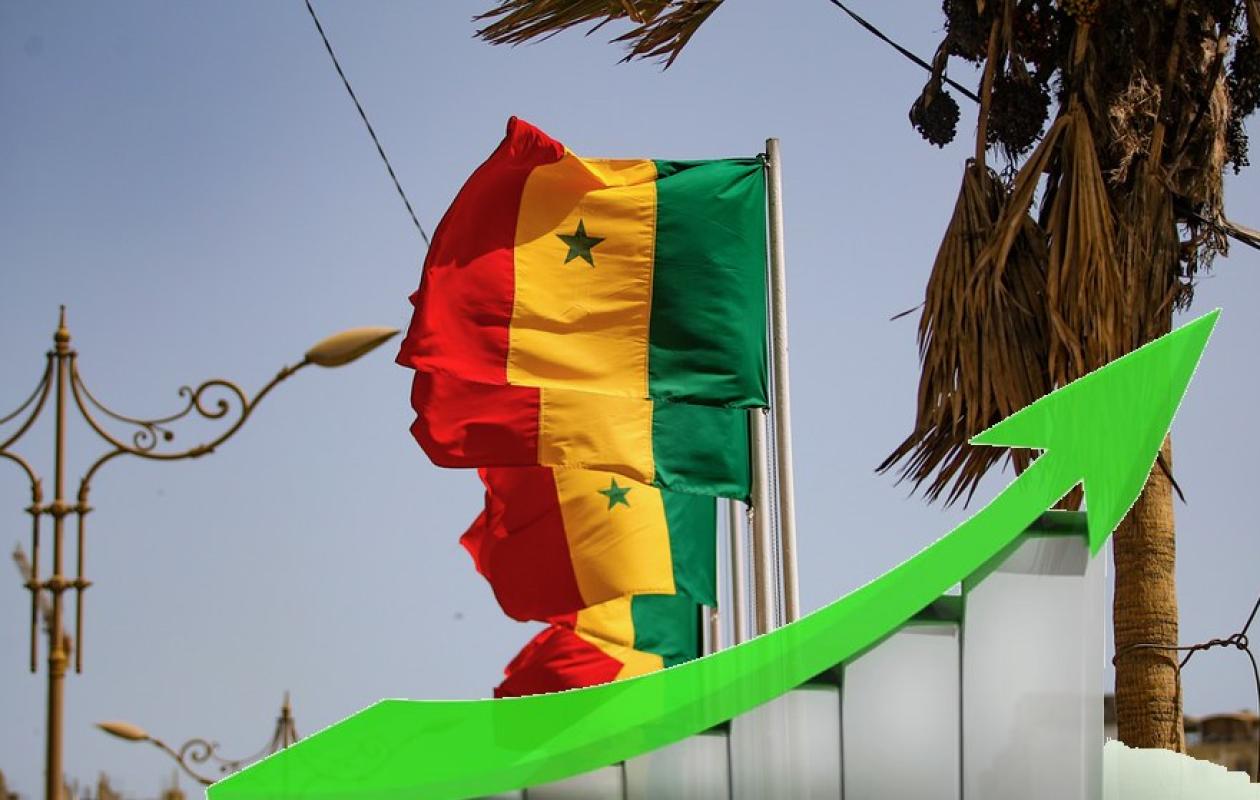
Pas de croissance sans constance
The relationship between political stability and economic performance is often presented as self-evident. A predictable institutional framework reassures investors, facilitates the implementation of public policies, and allows businesses to plan their activities over the long term. Conversely, periods of political uncertainty can lead to a wait-and-see approach from economic actors, delay investment decisions, and weigh on the pace of growth. This idea is widely accepted, but the reality is more complex, particularly in developing economies.
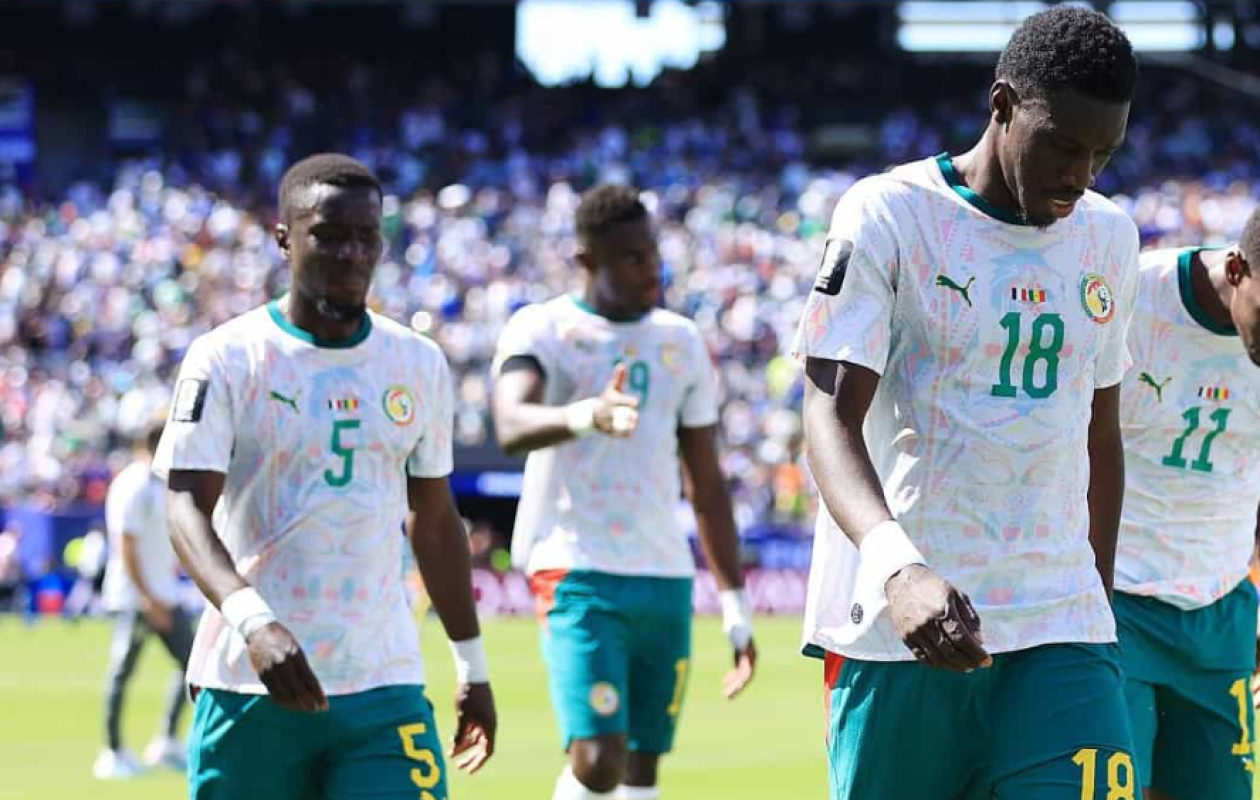
In several African countries, institutional stability has indeed fostered steady economic growth. Senegal is often cited as an example of a relatively predictable political environment in the region, which has helped maintain the confidence of financial partners and international investors. According to World Bank data, the country's average growth was around 5% per year in the decade preceding the pandemic, within a context marked by continuity in economic policies and reforms undertaken in infrastructure, energy, and agriculture.
However, political stability alone is not enough to guarantee high growth. Some countries have experienced periods of relative institutional continuity without managing to sustainably accelerate their development, due to a lack of productive transformation, sufficient investment, or improvement in human capital. Conversely, some economies have experienced phases of strong growth despite periods of instability, when commodity prices were favorable or when significant investments were made in strategic sectors.
Political uncertainty can nevertheless have immediate effects on the economy, especially when public decisions are delayed or private actors are hesitant to commit. Investments, particularly in infrastructure, energy, or industry, require visibility over several years. When regulations change frequently or institutions appear weakened, the cost of financing can increase, and some projects are postponed. This situation can slow job creation and reduce medium-term growth potential.
The perception of stability also plays a significant role in accessing external financing. Rating agencies, lenders, and investors consider the quality of institutions, adherence to commitments, and the predictability of economic policies. A deterioration in this perception can lead to higher debt costs or a decline in foreign direct investment. In open economies, these effects can quickly spread throughout the economy.
However, political stability only has a lasting impact on growth if it is accompanied by coherent economic policies and productive investments. Institutional continuity facilitates public action, but it does not replace economic diversification, productivity improvements, or infrastructure development. Experience shows that the strongest growth relies on both stable institutions and economic choices capable of transforming the productive structure.
The relationship between stability and growth thus appears real, but it cannot be reduced to a simple automatic link. A predictable institutional environment creates favorable conditions, but does not, on its own, guarantee economic performance. The quality of policies implemented, the structure of the economy, and investment capacity remain equally crucial factors.














Commentaires (6)
Participer à la Discussion
Règles de la communauté :
💡 Astuce : Utilisez des emojis depuis votre téléphone ou le module emoji ci-dessous. Cliquez sur GIF pour ajouter un GIF animé. Collez un lien X/Twitter, TikTok ou Instagram pour l'afficher automatiquement.