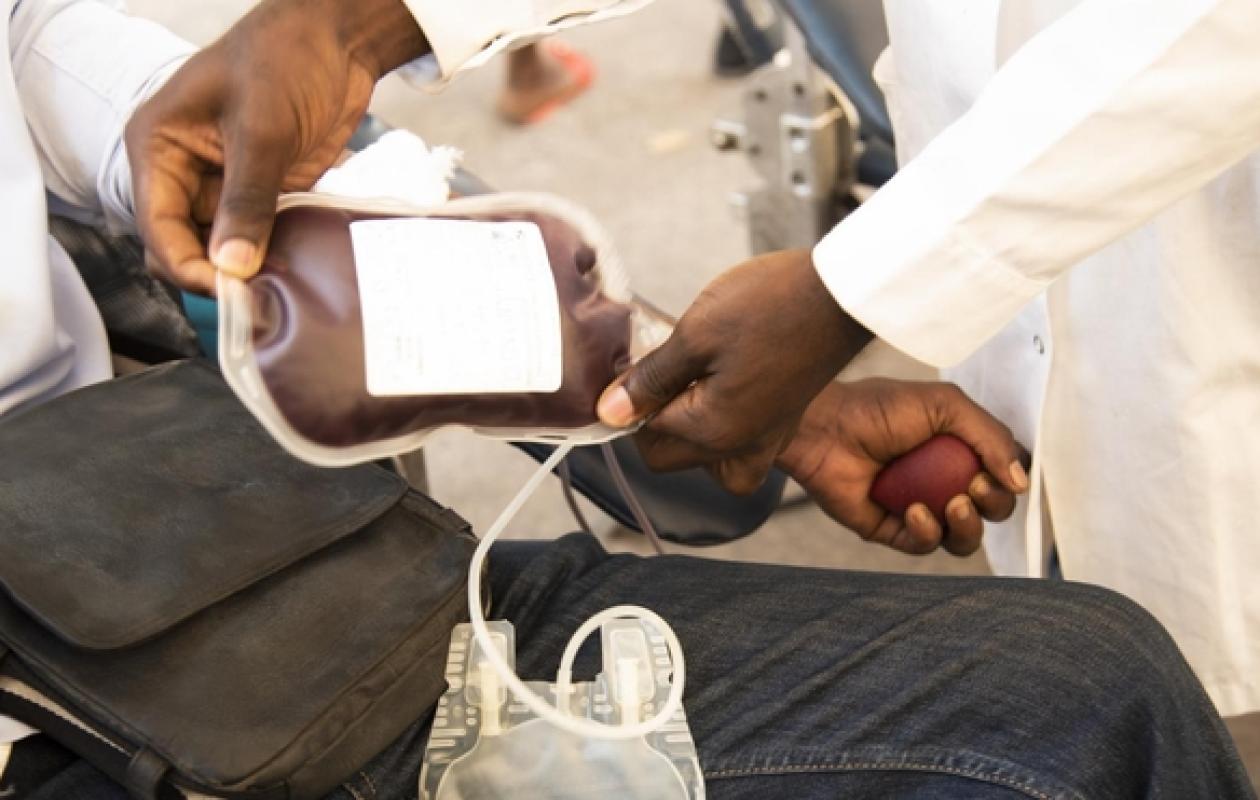
Prise en charge de la drépanocytose : Le Sénégal accueille un nouveau traitement
Senegal has taken a major step forward in the management of sickle cell disease with the arrival of a hydroxyurea formulation (DREPAF). This is a historic turning point for the thousands of patients living with this genetic disease, which is particularly common in West Africa.
The announcement was made during a postgraduate teaching (PGT) course dedicated to sickle cell disease, in the presence of experts from several African and European countries.
Until now, hydroxyurea, despite being considered a standard treatment in OECD countries, remained difficult to access in Senegal: rare, expensive, and, above all, not always available in pharmacies. DREPAF changes the game, enabling continuous and long-term treatment for patients, particularly children, for the first time. "This is a revolution in patient care," stated Professor Bérengère Koehl, emphasizing that this availability "can transform the lives of sickle cell patients in Africa."
Invited from Mali, Professor Nathalie Ayot recalled the long history of delays in the treatment of sickle cell disease on the continent. "The arrival of an effective and accessible molecule is a tremendous joy. It's a thorn removed from the side of African doctors," she declared.
Professor Jacques-Emmanuel from Senegal announced that the country will become the headquarters for regional training programs for healthcare professionals. The goal: to rapidly disseminate the correct use of the medication throughout sub-Saharan Africa. Senegal was chosen as the first country to have the program available, but the ambition is continental: to extend the DREPAF (Regional Training and Development Program for Healthcare Professionals) to the entire region in a short timeframe.
A molecule proven for 75 years
Unlike a new drug, hydroxyurea benefits from decades of scientific experience. Used since the 1950s for other hematological diseases, it has demonstrated its effectiveness in reducing vaso-occlusive crises, hospitalizations, serious complications, and mortality associated with sickle cell disease. It acts on blood cell production, improves circulation, decreases red blood cell adhesion, and increases fetal hemoglobin, thus protecting patients from painful crises.
With the arrival of DREPAF, Senegal is entering a new era in the fight against sickle cell disease. For specialists, this represents a concrete and immediate change: treatments that are available, affordable, and can be administered daily.
"We hope for a clear improvement in the quality of life and survival of patients," concluded Professor Jacques-Emmanuel.









![[EXCLUSIF] Le lutteur Ama Baldé arrêté par la BR de Keur Massar](https://image.seneweb.com/content/news/2026-22-27//thumb_1260x800_6a174f4ee60cb_SOgkg3Pd2C.png)












Commentaires (2)
Participer à la Discussion
Règles de la communauté :
💡 Astuce : Utilisez des emojis depuis votre téléphone ou le module emoji ci-dessous. Cliquez sur GIF pour ajouter un GIF animé. Collez un lien X/Twitter, TikTok ou Instagram pour l'afficher automatiquement.