Bassins Fluviaux transfrontaliers : les experts rament à contre-courant d’une gestion parcellaire
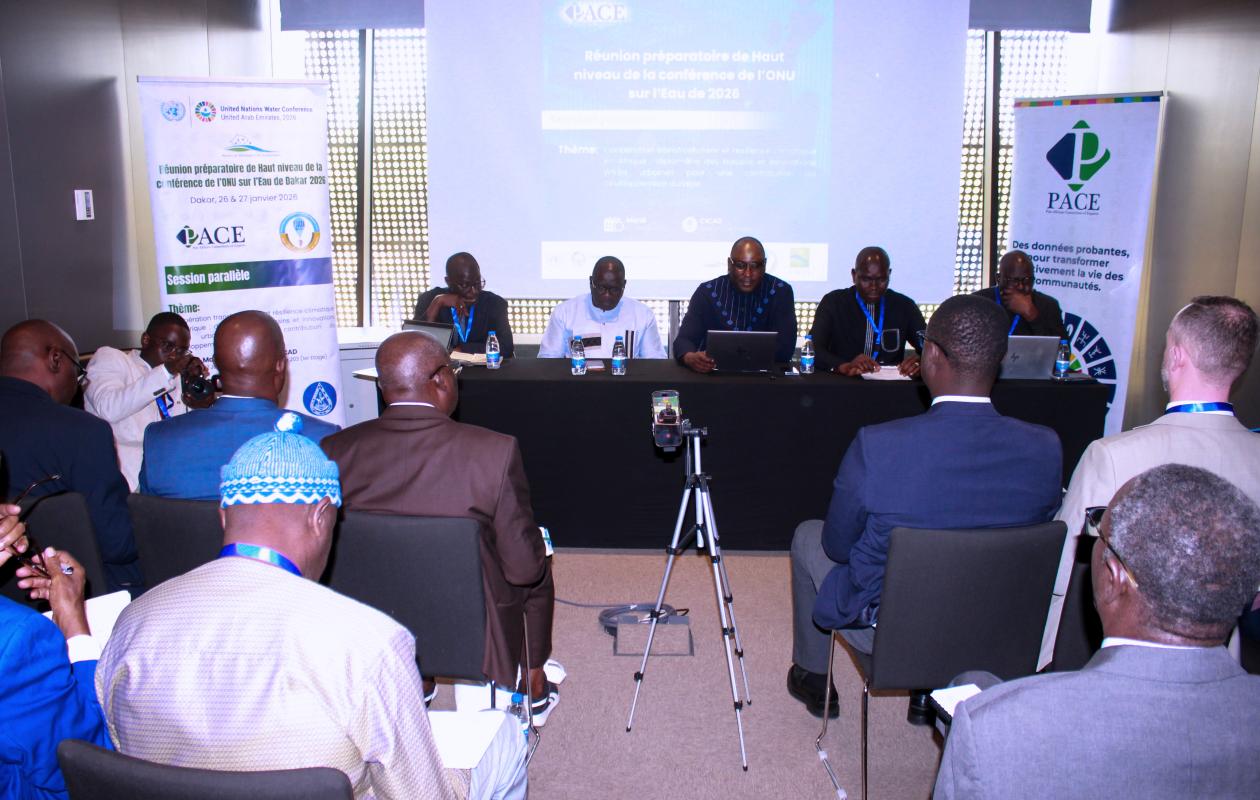
More than 180 million people live in the Niger River Basin, which flows through the following countries: Burkina Faso, Niger, Benin, Mali, Côte d'Ivoire, Guinea, Liberia, Chad, Cameroon, and Chad. Beyond their drinking water needs, the basin is the source of drinking water for many cities in these countries. "Water investments are often poorly informed about resource availability. In some of these cities, we have up to 3 million inhabitants, and we are witnessing rapid urbanization and population growth. This is leading to an increase in water demand," stated Kocou Armand Houanye, Executive Secretary of the Niger Basin Authority. He was speaking at the High-Level Preparatory Meeting for the 2026 UN Water Conference, held in Dakar from January 26 to 27. He was speaking at a panel organized by PACE (Pan African Consortium of Experts) and the Platform of Civil Society Organizations for Water and Sanitation in Senegal (POSCEA). “The High-Level Preparatory Meeting for the 2026 United Nations Water Conference has six interactive themes: ‘Water for People,’ ‘Water for Prosperity,’ ‘Water for Cooperation,’ ‘Water in Multilateral Processes,’ and ‘Investments for Water.’ For each of these themes, civil society will deliver specific messages to help achieve the Sustainable Development Goal by 2030,” explained Dr. Seydina Ousmane Sène, Director of PACE.
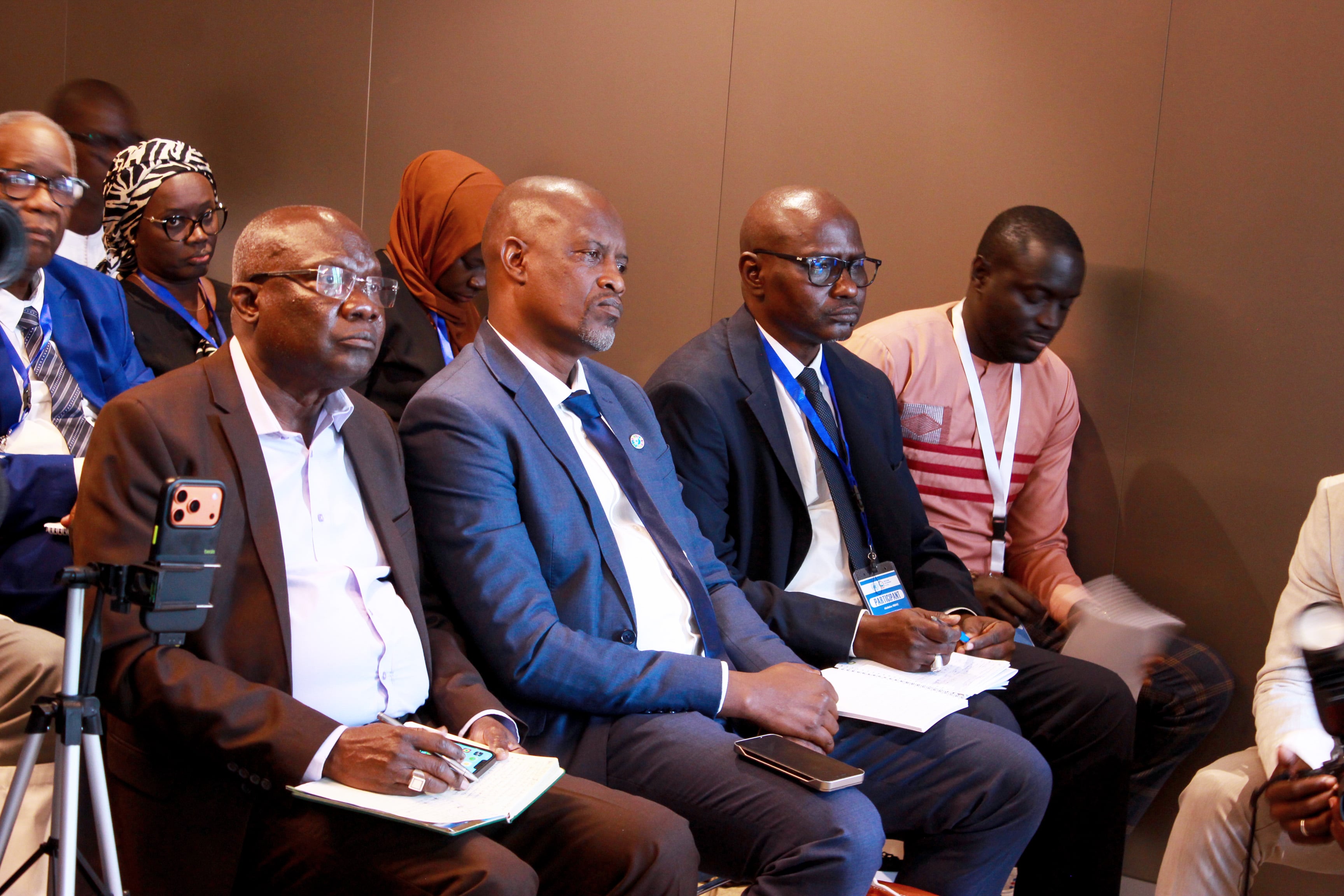
Among the solutions put forward, the Niger Basin Authority (NBA) proposes developing projects likely to raise funds. Furthermore, this basin organization is already engaged in exploring the circular economy.
" We must no longer see wastewater and waste as problems, but as resources to produce energy, fertilizers and support urban agriculture ," argued the Executive Secretary of the ABN.
Scientific research is also called upon to play a key role in adapting the construction standards of water and sanitation works in the face of the intensification of floods and extreme weather events.
The experts discussed the theme "Cross-border Cooperation and Climate Resilience in Africa: Basin Diplomacy and Urban WASH Innovations for a Contribution to Sustainable Development".
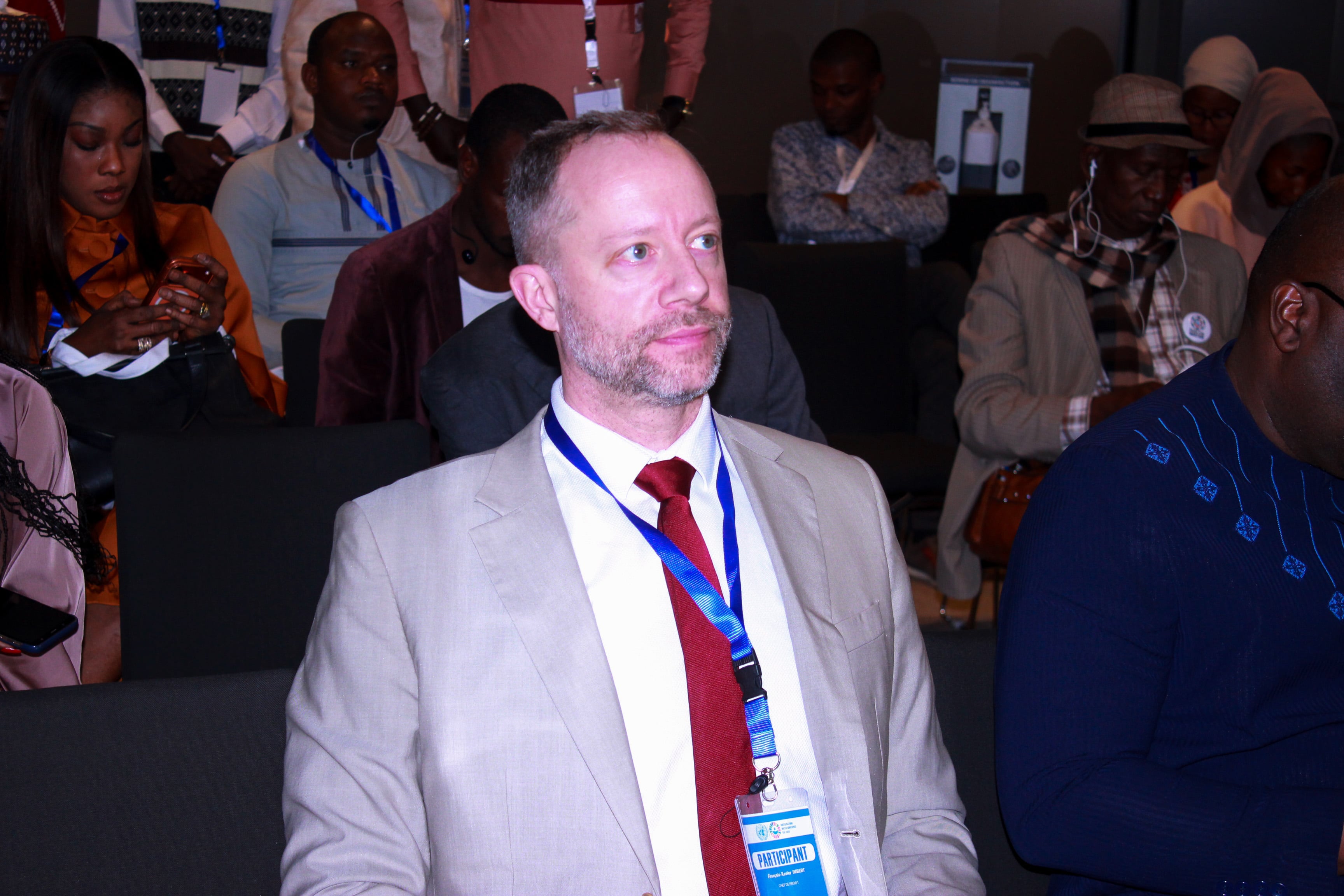
Based on these findings, he recommended involving cities in the search for solutions to increasingly growing water needs. "It is important to involve cities in the planning of investments at the scale of transboundary basins. We are embarking on the process of a shared vision for the sustainable development of basins," stated François Xavier Imbert, Integrated Water Resources Management (IWRM) expert at the International Network of Basin Organizations (INBO).
Cities: Source of problems and solutions
Cities are the root cause of the problems, with waste production polluting waterways and urban sprawl encroaching on riverbeds. However, the expert is convinced that these urban areas must be central to identifying solutions. "Cities are both problems and solutions. No sustainable solution to the problems of our river basins can be achieved without cities," argued François Xavier Imbert.
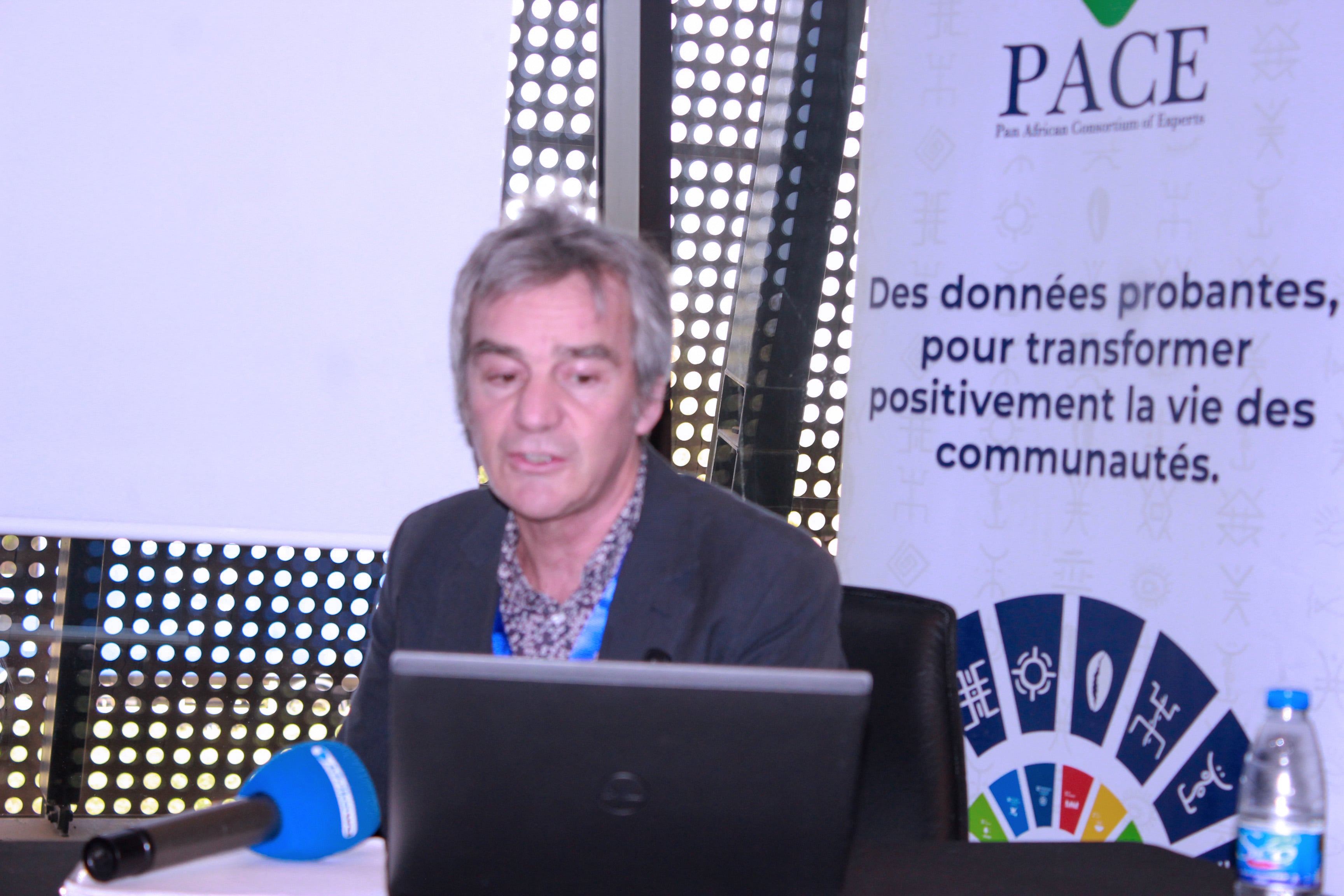
For his part, Dr. Dibi Millogo, Deputy Executive Director of the Volta Basin Authority, which covers 400,000 km², 35 million inhabitants, and several West African countries, stressed the need for a paradigm shift. " Climate change does not respect borders, but our policies and budgets remain too compartmentalized ," the Deputy Executive Director noted.
In addition to the issue of watershed management, experts and specialists addressed another theme entitled: "View from Cities: Needs and Innovations in WASH (Water, Sanitation and Hygiene) Questions and Answers." On this subject, Blaise Faye, Director of Operations and Maintenance at the National Sanitation Office of Senegal (ONAS), shared his thoughts on considering the effects of climate change in the construction of stormwater drainage systems. The return of exceptional rainfall has severely strained existing infrastructure. A change is necessary to adapt to this new reality. In this regard, it is essential to rely on research findings and evidence-based data for the design and construction of these systems. Several recommendations emerged from this brainstorming session.






















Commentaires (0)
Participer à la Discussion
Règles de la communauté :
💡 Astuce : Utilisez des emojis depuis votre téléphone ou le module emoji ci-dessous. Cliquez sur GIF pour ajouter un GIF animé. Collez un lien X/Twitter, TikTok ou Instagram pour l'afficher automatiquement.