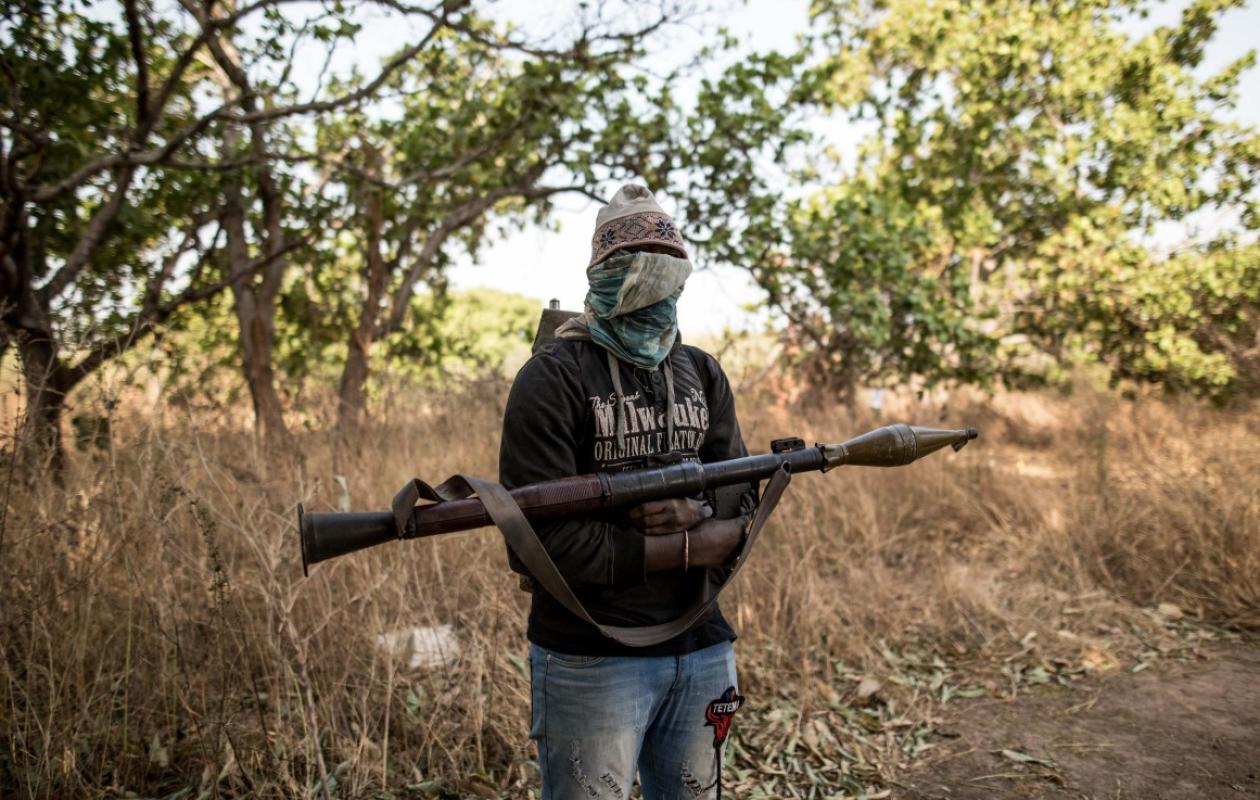
Casamance : des rebelles affaiblis mais la paix minée par le cannabis
The military operation was carried out near the Gambian border where rebels of the Movement of Democratic Forces of Casamance (MFDC) are based, fighting since December 1982 for the independence of this region separated from part of Senegal by Gambia.
It was carried out "without major difficulties" with 14 arrests, a seizure of weapons of war and more than six tons of cannabis, Colonel Cheikh Guèye, head of the army in the Ziguinchor region, one of the three forming Casamance and epicenter of this low-intensity conflict which has claimed thousands of victims, told the press.
After inflicting losses on the army, the MFDC "is now severely weakened. It has only residual troops left, is no longer recruiting and is facing the aging of its fighters" while the army has strengthened itself in men and equipment, an expert on the matter told AFP who, like the majority of AFP's interlocutors on this subject, requested anonymity due to the sensitivity of the issue.
In addition, this rebellion faces "a deep division among its political and military factions" and "a problem with the supply of weapons and ammunition" since its fallback areas, Gambia and Guinea-Bissau, have been cooperating with Dakar for peace, the source said.
The weakening of the rebellion is also due to "a progressive loss of its political and emotional base which was supported by local communities", explains a figure from Casamance civil society.
But "the reality of the struggle has created disillusionment and disaffection towards the MFDC among these communities who now aspire to peace," she notes.
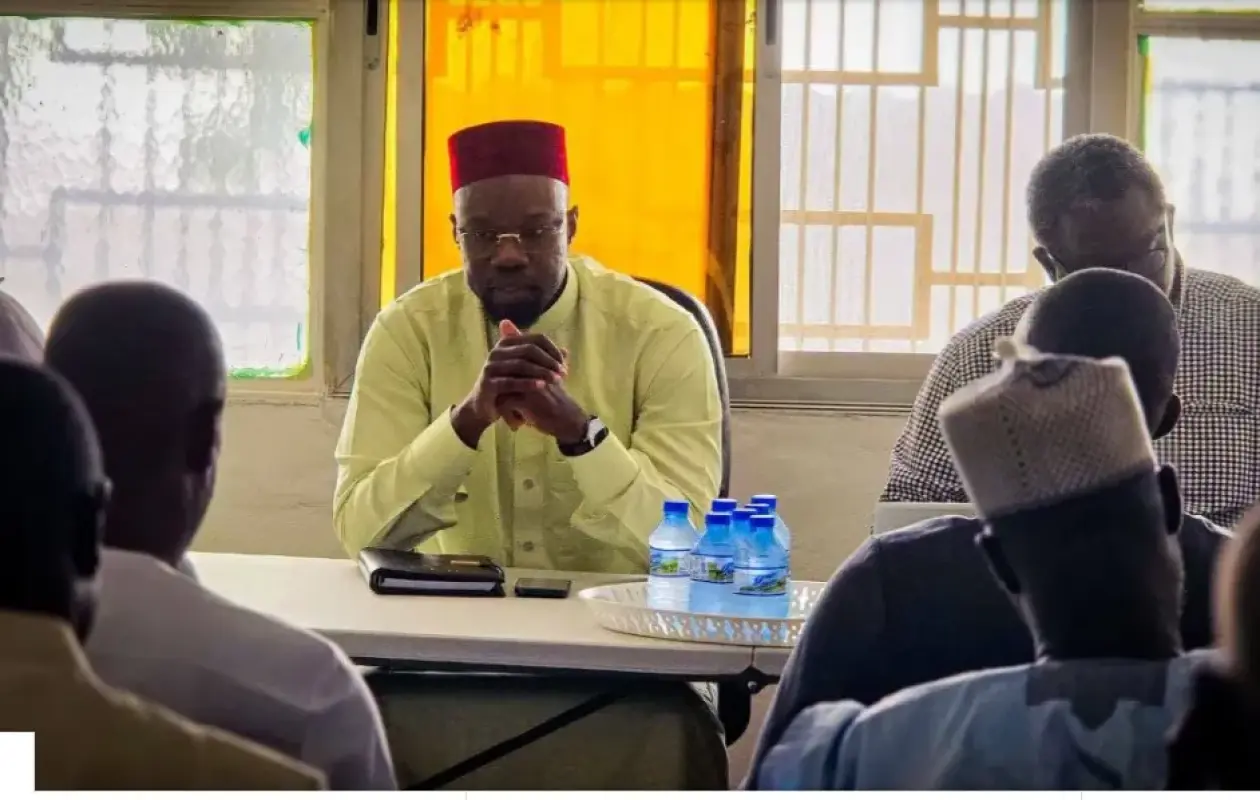
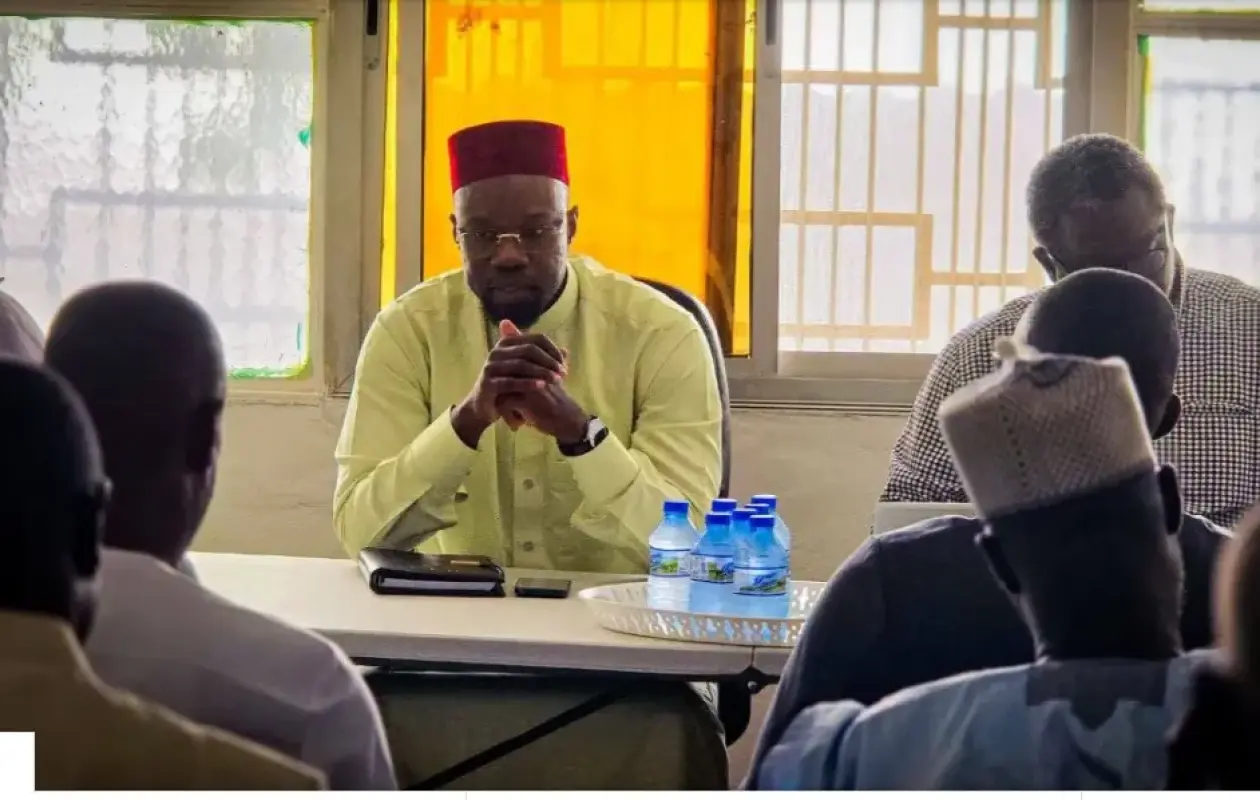
Moreover, the rise to national prominence of political leaders from Casamance, such as Prime Minister Ousmane Sonko, head of the majority party in the country, "has helped to calm the fervor" of MFDC followers, the same source assures.
They "now have a sense of revenge for Casamance in the Senegalese political scene" from which they felt excluded, according to her.
Mr. Sonko stated in mid-March in Ziguinchor, the main city of Casamance, that the MFDC has been fighting for more than "40 years without controlling a single village".
He was speaking after the deaths of three soldiers and injuries to three others in an "accidental explosion" during anti-cannabis operations on March 17. On March 11, another soldier had been killed and six others wounded.
In November 2025, a soldier held for seven months by "an armed gang" was released.
"We do not think that the guerrillas always talk about independence except on principle. The main problem is the cultivation of hemp (cannabis). We will use all the necessary means" against it, said Mr. Sonko.
Cannabis "allows armed gangs to have significant resources to finance their activities" and the operation carried out in early May had "the objective of striking at the heart of (their) criminal and war economy", according to Colonel Guèye.
Although the border area of Guinea-Bissau has been calm since the army destroyed rebel bases there in 2021, the unrest has been concentrated in recent months in North Sindian, near Gambia.
This area is conducive to illicit activities because of "its dense forest" and its isolation "despite its significant agricultural and forestry production which the impoverished populations cannot sell due to a lack of roads," Mamadou Sadio, a former member of an elite army unit, told AFP.
Some communities claim to depend on cannabis trafficking and "have asked imams if there is a religious (Muslim) basis allowing them to cultivate it," testifies an administrative official.
Mr. Sonko says he is extending a hand to the MFDC but reminds: "we cannot accept that the slightest inch of the territory be amputated".
Local civil society this week near Ziguinchor celebrated the third anniversary of a peace agreement between a rebel faction and the government.
Another agreement was reached in February 2025 with another faction in Bissau, while several others have not followed up.
In almost the entire region, refugees and displaced persons are "gradually resettling in villages" thanks to "the cessation of hostilities and the partial laying down of arms," says the civil society figure.
"But the question of pacification remains entirely open" because "armed elements are still reluctant to lay down their arms," she notes.
















Commentaires (5)
Participer à la Discussion
Règles de la communauté :
💡 Astuce : Utilisez des emojis depuis votre téléphone ou le module emoji ci-dessous. Cliquez sur GIF pour ajouter un GIF animé. Collez un lien X/Twitter, TikTok ou Instagram pour l'afficher automatiquement.