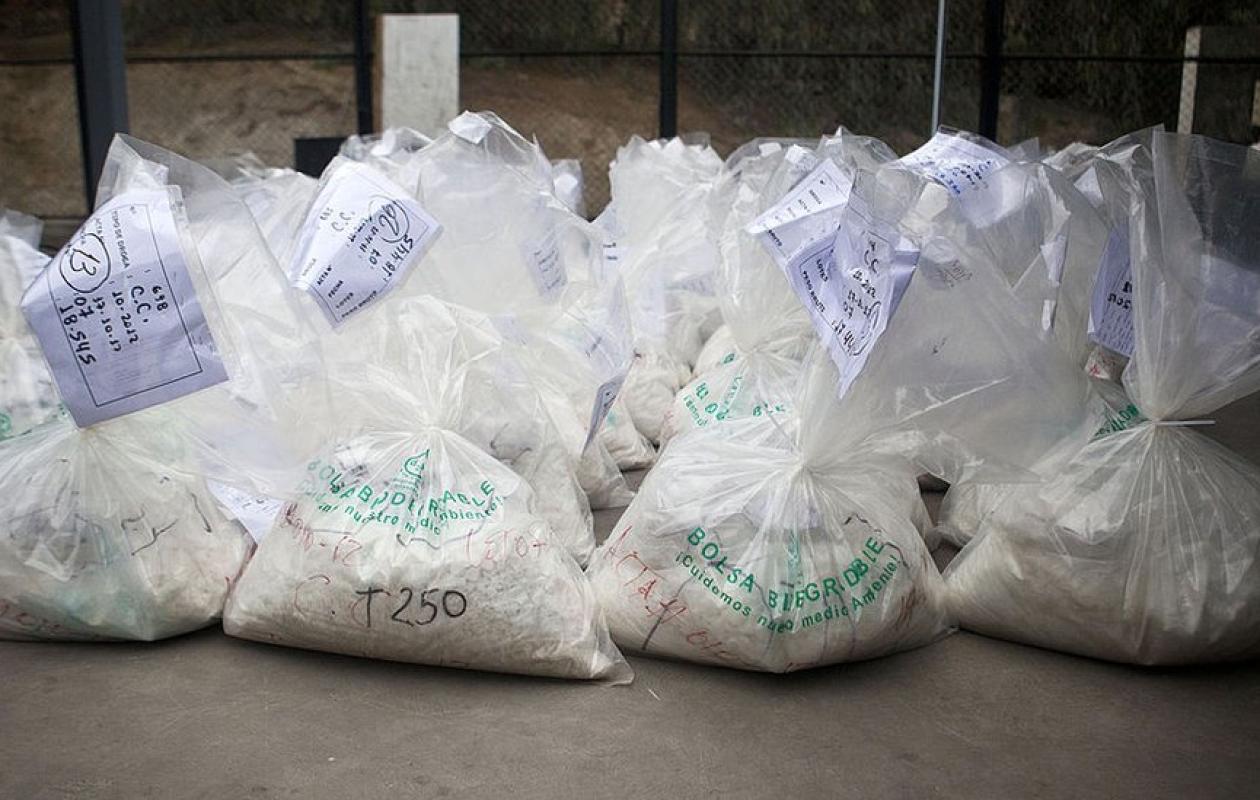
Des Balkans au Sénégal : Comment la cocaïne envahit l’Afrique de l’Ouest
Senegal is emerging as a strategic hub in the expansion of cocaine trafficking led by criminal networks originating from the Western Balkans, according to a recent report by the Global Initiative against Transnational Organized Crime (GI-TOC) shared by Jeune Afrique.
These groups, primarily Slavic and Albanian-speaking, have transformed West Africa into a key corridor, purchasing shipments from the Brazilian alliance Primeiro Comando da Capital (PCC) before managing the logistics. Lucia Bird Ruiz, co-author of the report "Under the Radar: Cocaine Trafficking from the Western Balkans to West Africa," summarizes: "Criminal groups or networks originating in the Western Balkans now purchase cocaine shipments from the largest Brazilian trafficking alliance [PCC] before managing the logistics in West Africa."
Sophisticated logistics of Balkan clans
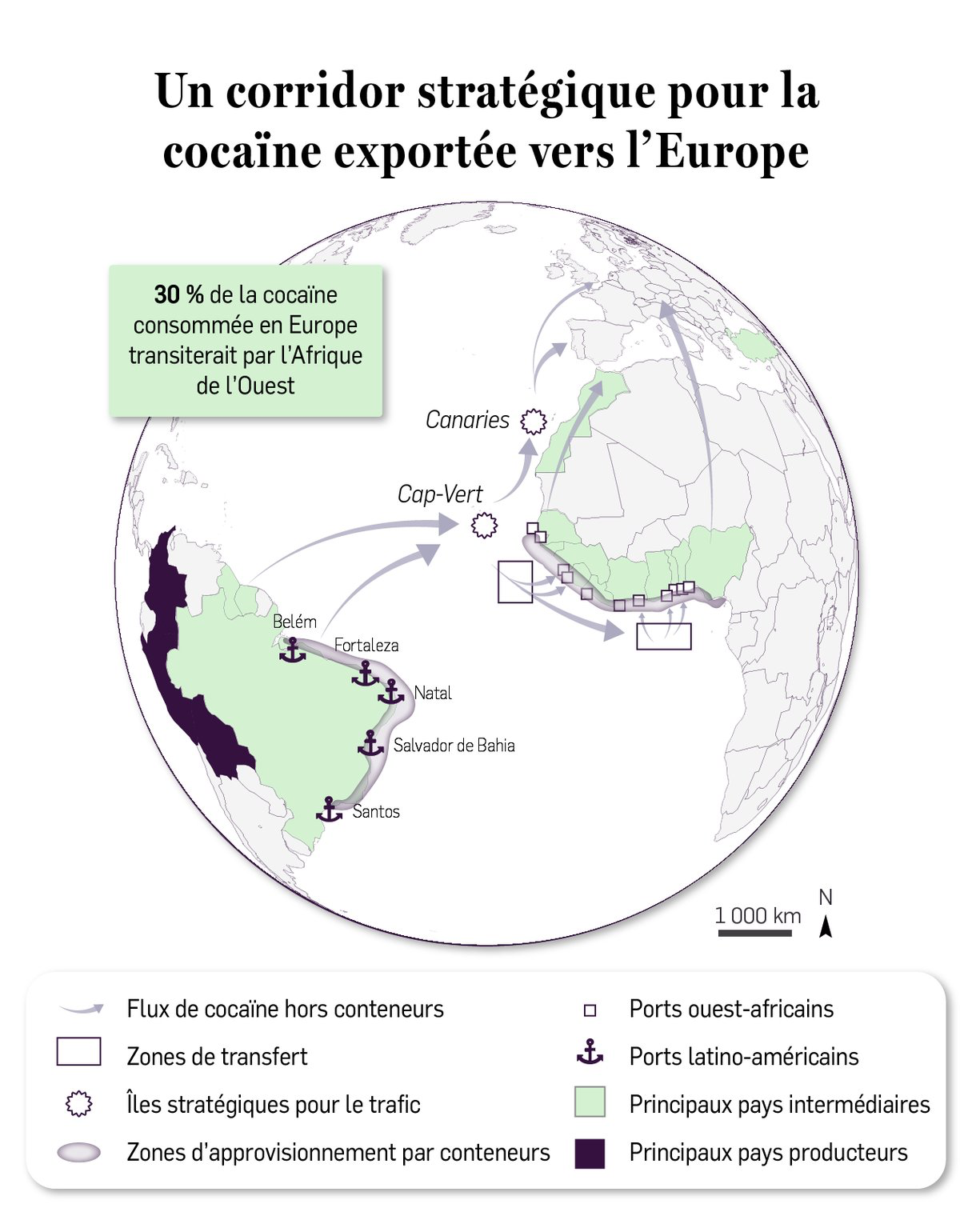
The Montenegrin clans Kavač, based in Sierra Leone, and Škaljari, its rival, dominate this market with meticulous organization. Much of the cocaine, including multi-ton shipments, arrives uncontainerized, hidden in the hulls of motorboats and trawlers operating discreetly in the Gulf of Guinea, particularly off the coast of Senegal. These groups exploit the developing port infrastructure, taking advantage of the inability of local authorities to control the exponential influx of goods. The report notes: “These groups exploit local vulnerabilities to establish relationships with corrupt law enforcement, port operators, and security services.” Saša Đorđević, a senior analyst at GI-TOC, adds: “The use of intermediaries is a defining characteristic of these networks.” They offer flexibility, local access, and increasingly serve as focal points between groups. In Senegal, these networks rely on local intermediaries to oversee storage and repackaging via front companies, then linking the Canary Islands and Gambia with the support of the PCC and the Calabrian 'Ndrangheta mafia. The cocaine is then transported to Europe, notably via Antwerp, by container or go-fast, with frequent stops in Cape Verde.
Expansion fueled by global factors
Since 2019, West Africa, and Senegal in particular, has played a leading role in this trafficking. Fatjona Mejdini, director of the GI-TOC's Observatory of Illicit Economies in Southeast Europe, explains: "This expansion in West Africa has been driven by the tightening of controls on direct routes between Latin America and Europe, the strengthening of alliances with some of Latin America's most powerful criminal networks, and the increase in cocaine production, alongside the sharp rise in consumption in Europe." Around 30% of the cocaine transported to Europe passes through the region, a figure that could rise to 50% by 2030. This dynamic benefits the Balkans, which manage efficient logistics, storing the drug in warehouses shared with the 'Ndrangheta before shipment.
Senegal, with its developing ports and geographical position, thus becomes an essential link in this criminal chain, highlighting the security and governance challenges faced by this rise in power of the Balkan networks.

















Commentaires (3)
"Un Boeing parti du Venezuela a atterri sur une piste artisanale à 15 km de Gao (nord-est) avant de décharger de la cocaïne et d’autres produits illicites", a indiqué le responsable régional de l’ONUDC Alexandre Schmidt lors d’une rencontre avec la presse.
Participer à la Discussion
Règles de la communauté :
💡 Astuce : Utilisez des emojis depuis votre téléphone ou le module emoji ci-dessous. Cliquez sur GIF pour ajouter un GIF animé. Collez un lien X/Twitter, TikTok ou Instagram pour l'afficher automatiquement.