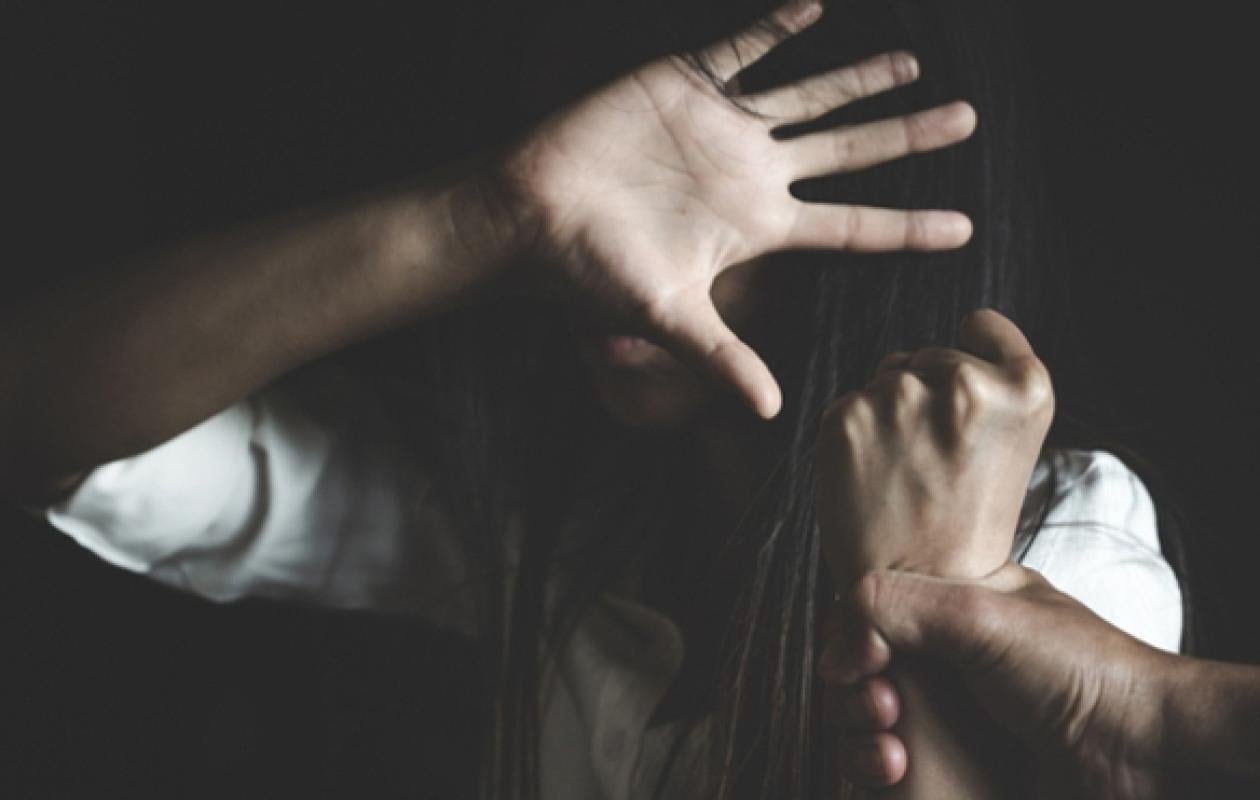
Le cri du cœur d'Actions éducatives sur les féminicides : “Les orphelins de la violence conjugale : quand les enfants paient un lourd tribut”
"Despite the denunciation of femicides and the consideration given to the voices of women victims of violence, the tally of femicides worries public opinion day by day. In 2025, the 12th month, around ten women were killed by their partners in Senegal."
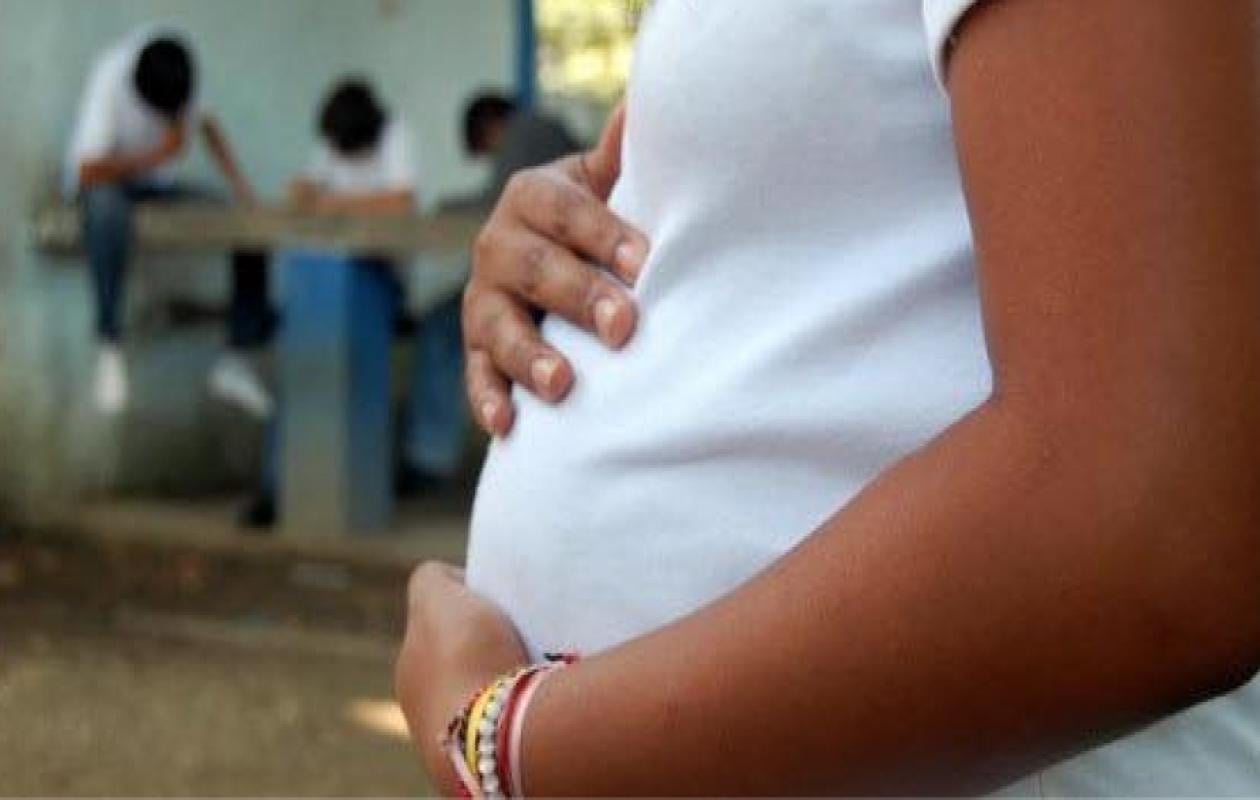
The observation comes from the association Actions éducatives, led by Khady Sow Diop, which is issuing a distress call. In an open letter to her community, titled "Help Us Rebuild," Ms. Diop and her colleagues express their sorrow for the plight of "children orphaned by domestic violence who are paying a heavy price." "What happens to the children these women leave behind?" they ask.
"My name is Abdou. I'm 12 years old, and I live with my parents in a beautiful, spacious house. My life took a complete turn in December 2025. That day, my father killed my mother, right before my eyes. The image of my mother lying in a pool of blood will never leave me. The umpteenth argument that preceded it, and the words they exchanged, will constantly echo in my head. I feel empty, I ask myself questions because I don't understand. I'm broken."
A glance in the rearview mirror
And yet, I was born and raised in a house full of love: my mother in the kitchen, humming songs and my father in front of the TV or tinkering, and we, my sister and I, played; my parents in front of the TV, commenting on the news of the day; the family around the bowl of rice, all happy; the whole family together, in the heart of a board game, happiness in the air.
These photos come back to me
Two or three years later, the scene changed: my mother in the kitchen, silent, with a sad expression, a sullen face and fear in her eyes; my father on the balcony, phone in hand, in discussion with others; we, children, wandered about, not knowing which side to take.
Little by little, arguments replaced the quiet conversation. I wanted to believe it was normal, that all parents argued. Shouting voices, shouts, heart-wrenching words. Dad isolated himself, becoming aggressive and harsh with Mom.
But he always remained a loving father to us, his children. I remember that at the very beginning, they would lock themselves in to argue, and then the scenes would unfold before our eyes.
Dad started abusing Mom, who had become depressed and was gradually losing her zest for life. They would each take us aside, explain the reasons for their arguments, and blame the other. We loved them both. Whom could we believe? Whose side should we take?
The day of the tragedy
My presence didn't stop my father's actions. The day of their last argument, Mom asked for a divorce, and Dad refused. But that night, everything spiraled out of control. He attacked her with an axe right in front of me; my sister was in her room.
For the first time, I saw a real axe; I saw my mother dying, her head covered in blood; I saw my father in a daze. I, weeping, tried to move my mother's body, but she was cold and her eyes were still. I shook her just as Dad was standing there, his hands trembling. I remember hearing him say, before leaving, "I didn't mean to." But it was too late.
The aftermath of the tragedy
Part of the community is not helping me rebuild my life.
At that moment, the image of the model father disappeared. Around me, neighbors and relatives were saying vile things about him without caring about how I felt: I was angry, devastated, and very sad.
My unease stemmed from the ambivalence of loving my father despite everything, even though I no longer saw him as the person he once was, and of hating my beloved mother's murderer. I felt anger. The image of the crime scene remains vivid as soon as I close my eyes.
We are orphans, having lost both our father and mother, alone in the world, for my mother now rests in the cemetery, and my father is in prison, serving a life sentence. My maternal aunt took us in. I was discovering the phenomenon of confiscation, but it was better than being separated from my sister again.
My aunt didn't want to talk about it, and I understood her. She was torn between the pain of losing her sister, a victim of domestic violence, and not wanting to hurt us by talking about our father, the perpetrator of the violence, the crime.
Since the day of the tragedy, I've stopped being a normal child: I no longer know how to laugh, how to smile, how to play. When my classmates talk about their parents, I disappear. How can I explain my story to them?
Dad, why? Why did you choose lethal violence over dialogue, over divorce? Why choose to destroy our family, to change my life?
My life? It's now filled with questions and regrets. I wonder if I could have done anything to help Mom or to calm Dad down.
Dear readers, I want you to know what it is like to lose your mother in this way; that violence is never the solution; behind every femicide, there is an Abdou, a Fatou, children who suffer, broken families, sacrificed futures, acute traumas, stolen lives.
Men and women of my community, I address you with a broken heart and fragile hope. My sister and I are going through an ordeal that has forever changed our lives. Today, we need your support to help us recover and rebuild.
To you, media professional
Before you recount our story, with photos or videos to back it up, and in minute detail, put yourself in our shoes. Think about the impact of your words, your images. Tell it with humanity, without sensationalism, without exposing our story in every detail. We are not a media sensation, but human beings in pain, collateral damage, yet another victim.
To you, internet user
When you share, comment, or react online, think about the future. In 15 or 20 years, we might be "Googled" when we apply for a job, try to get ahead in life, or get married. A click has a power that can have serious long-term consequences. Don't play with our personal data. It belongs to us, and it's sensitive.
To you, NGOs, CBOs, CSOs, voices, defenders of human rights, women's and children's rights…
Don't just denounce femicide or condemn the act. Provide us with concrete support. Offer us psychological support, help to move forward, to heal. We need actions that help us return to a normal life.
To you, my parents, my neighbors, my friends
Don't stigmatize us. We are not responsible for what happened. Our father killed our mother, but he also killed a part of us. And that, no one can ever undo. Please, don't finish us off.
I want my sister and me to be able to move forward without being defined by this difficult ordeal, this tragedy. Help us rebuild our lives, find hope and inner peace.
Thank you for reading us, understanding us, hearing us, seeing us through these lines, feeling us, and supporting us.









Commentaires (5)
Participer à la Discussion
Règles de la communauté :
💡 Astuce : Utilisez des emojis depuis votre téléphone ou le module emoji ci-dessous. Cliquez sur GIF pour ajouter un GIF animé. Collez un lien X/Twitter, TikTok ou Instagram pour l'afficher automatiquement.