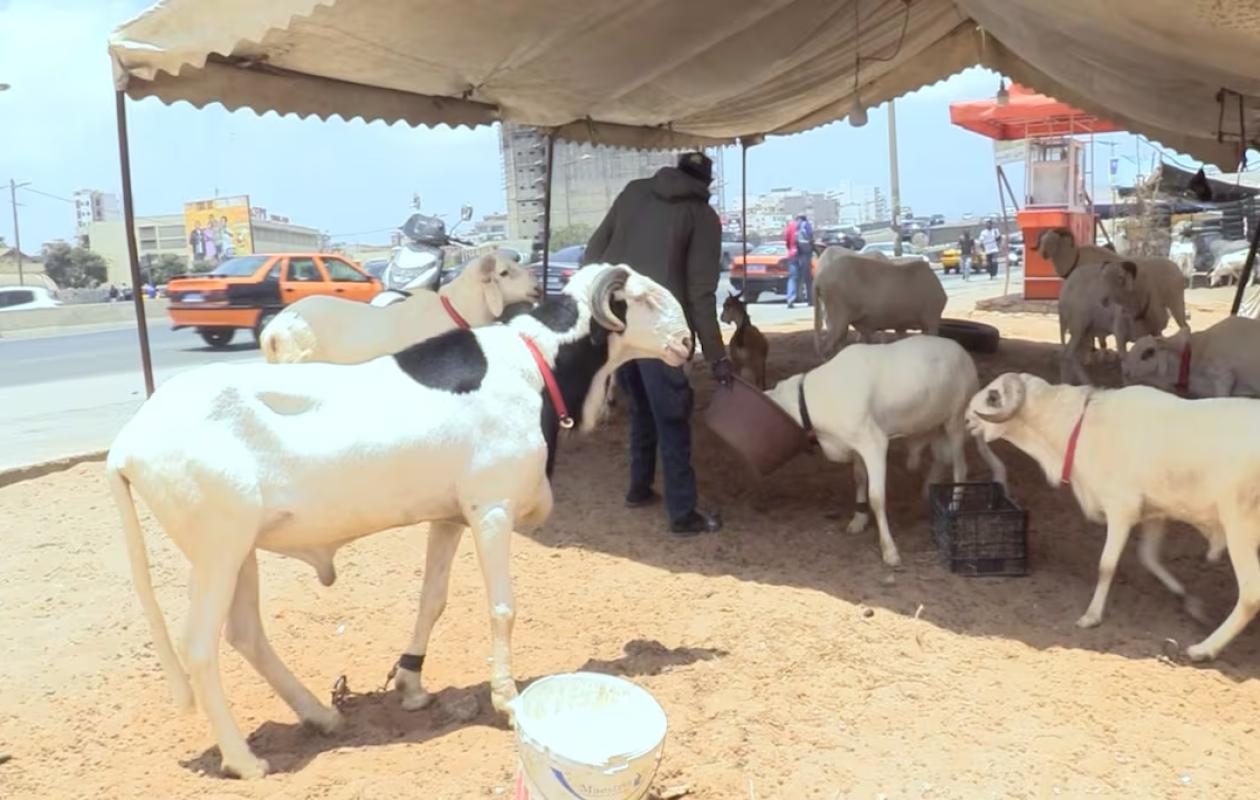
Tabaski 2026 : Le calvaire des usagers face à la paralysie de Dakar
With Tabaski just two weeks away, the flurry of preparations is turning daily life for Senegalese people into a real obstacle course. Between overcrowded markets, packed public transport, and massive traffic jams, getting home has become a logistical challenge, against a backdrop of growing security concerns.
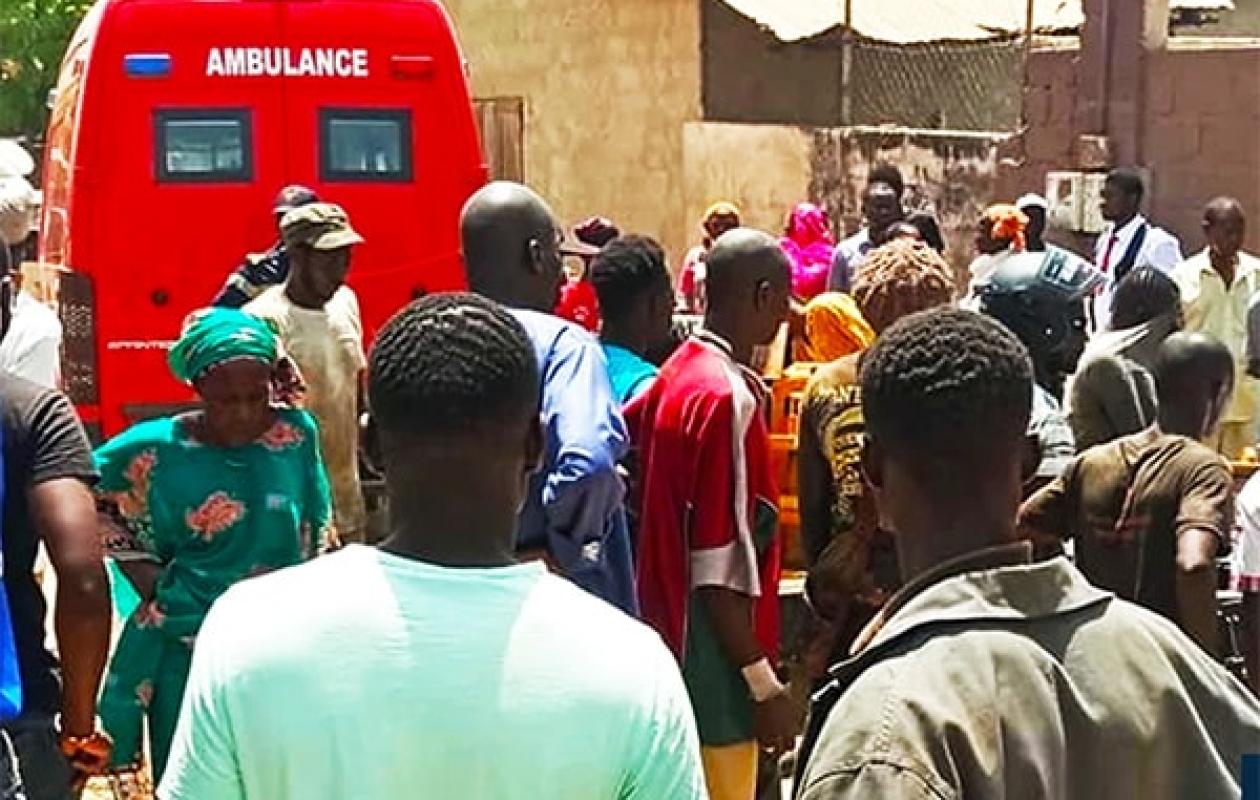
The Colobane market, a hub of commerce and a strategic transport hub, is bursting at the seams. The immediate proximity of the TER train stops, Tata buses, and Ndiaga Ndiaye coaches creates an exceptionally high population density. For Mayoro Sy, trying to get home after his workday, crossing the street is a physical ordeal. "It's incredibly difficult to find a way through this crowd," he says after enduring several jostling encounters.
The same was true for Fama Diagne, who narrowly avoided a fall: "I work in Point E and this is where I take the Ndiaga Ndiaye every evening, but it's always a pain to get to the garage."
In this chaos, discipline vanishes: passengers rush onto the few remaining Ndiaga Ndiaye buses even before they come to a complete stop. As for the Tata buses, while the single-file system persists, the wait becomes interminable. Some passengers wait for line 33 for over forty minutes, in vain.
An anarchic occupation of public space
No neighborhood is spared from the congestion. At the Dior market, the flow of workers and students mingles with that of customers seeking festive attire. Sira Lô, an accounting student, testifies to this exhaustion: "I was studying and taking exams today, but I traveled for almost three hours." The chaotic occupation of the roadway by street vendors forces pedestrians to slalom between vehicles, disregarding traffic safety rules.
Keur Massar: A fleet of vehicles on its last legs
In Keur Massar, even on Sunday evenings, rest is an unattainable luxury. Faced with overcrowded buses, many commuters are forced to walk for kilometers. Papa Ndiaye, a tailor who came to buy supplies, doesn't hide his bitterness: "For a week now, I've been walking every evening from the Keur Massar bus station to the Gouye Gui roundabout because the buses are always overcrowded. The authorities should consider increasing the number of vehicles."
This transportation shortage is creating fertile ground for exploitative practices. Between the "slicing" of journeys by apprentices on minibuses and the soaring taxi fares, household budgets are under severe strain. Fearing assaults and robberies, which are common during this period, some Senegalese are choosing to stay home, postponing all non-essential activities. Faced with this social tension, the call for a stronger security presence by the state has become a widespread rallying cry.




















Commentaires (1)
Participer à la Discussion
Règles de la communauté :
💡 Astuce : Utilisez des emojis depuis votre téléphone ou le module emoji ci-dessous. Cliquez sur GIF pour ajouter un GIF animé. Collez un lien X/Twitter, TikTok ou Instagram pour l'afficher automatiquement.