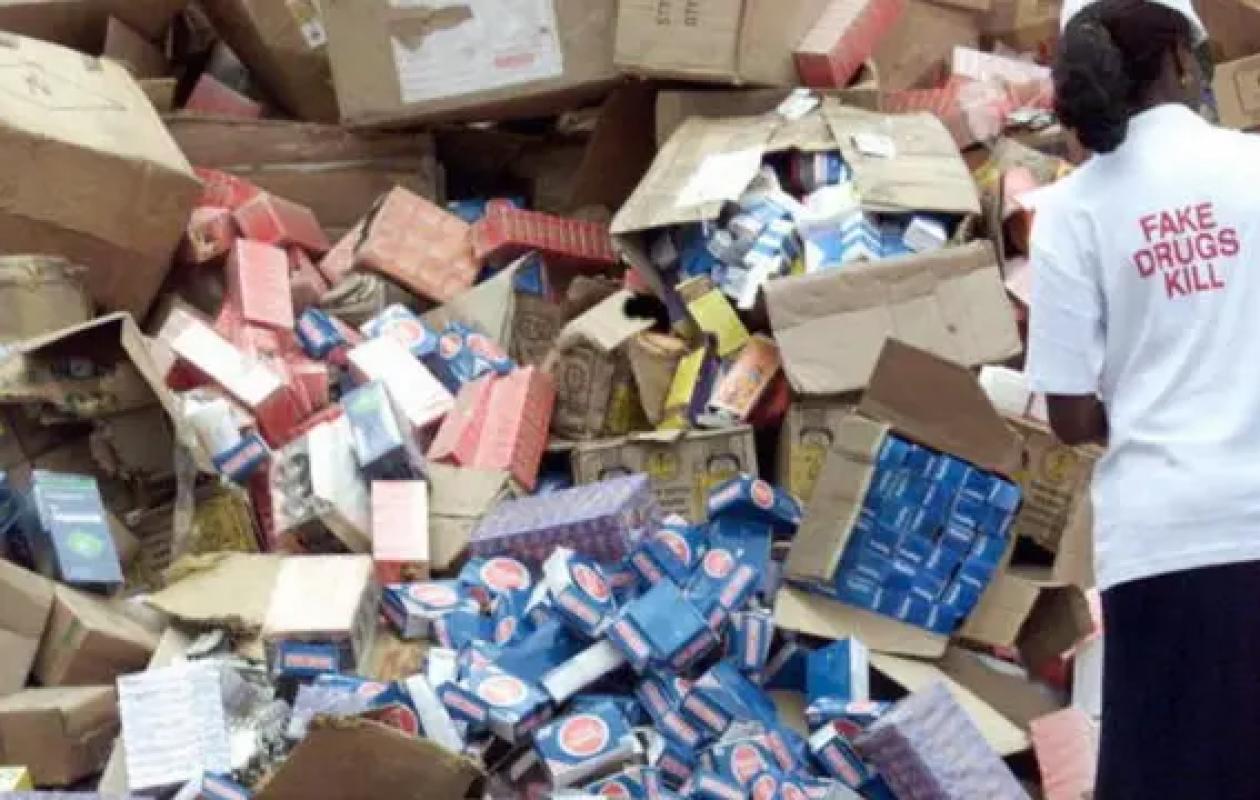
Trafic de médicaments : une menace sanitaire et sécuritaire qui appelle une riposte politique
The trafficking of counterfeit or substandard medicines and health products is now one of the most serious threats to public health and security in Africa. Long considered an illicit trade, it is now recognized as a form of transnational organized crime with major human, economic, and institutional consequences. According to the United Nations, nearly 500,000 deaths each year in sub-Saharan Africa are attributable to the use of counterfeit medicines, including 267,000 linked to counterfeit antimalarials. This alarming situation was the focus of an international webinar organized on February 2, 2026, by the UPEACE/Africa-Dakar Campus and the African Center for Strategic Intelligence for Peace (CIS-PAIX).
A silent crisis with deadly effects
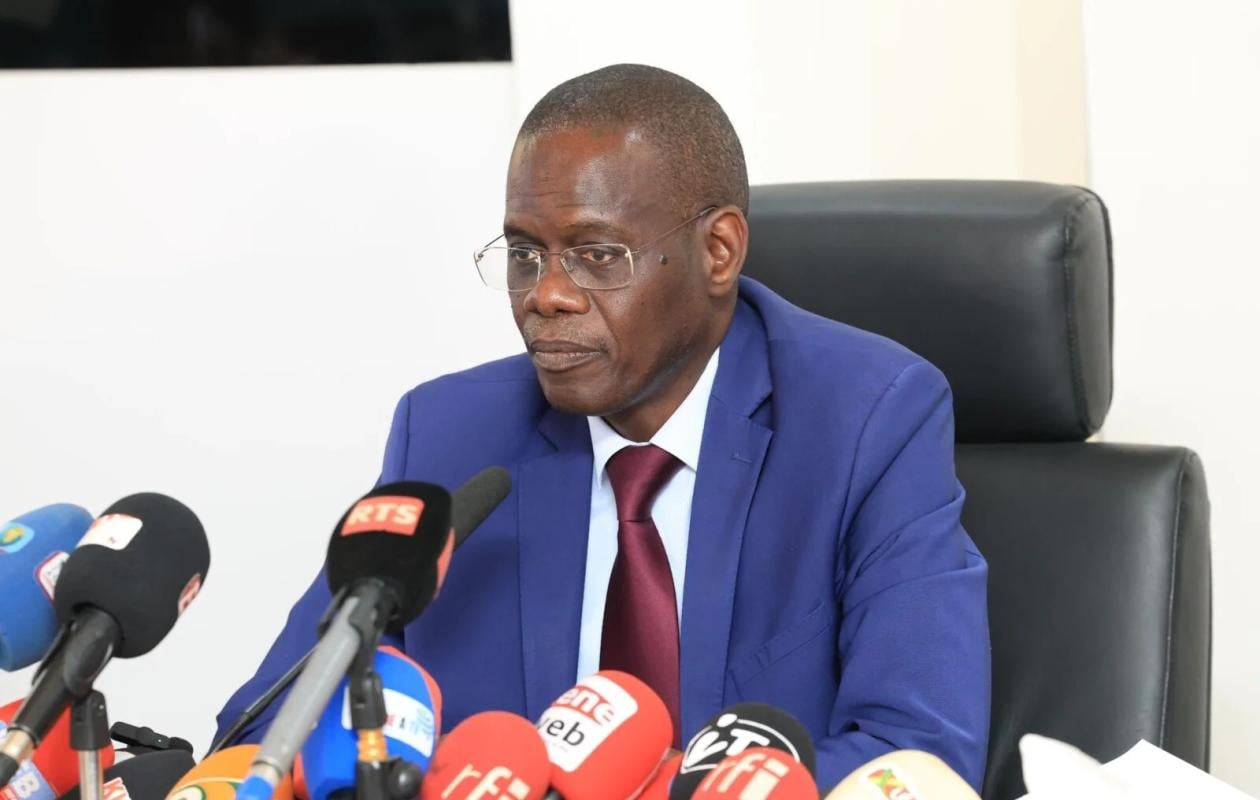
Mballo Dia Thiam, national secretary general of the Unified Union of Health and Social Action Workers (SUTSAS), stated during his address that drug trafficking is not simply a public health problem, but a systemic crisis threatening the lives of populations, the security of states, and the credibility of institutions. Counterfeit medicines, often ineffective, underdosed, or contaminated, lead to treatment failures and foster the emergence of drug resistance. Children, women, and the elderly remain the primary victims of this illicit trade.
A security and governance issue
Estimated at nearly $200 billion annually worldwide, this trade is fueled by transnational criminal networks, sometimes linked to drug, arms, or human trafficking. In West Africa, it thrives on porous borders, regulatory disparities, and corruption. Mballo Dia Thiam warns that allowing these networks to flourish is tantamount to accepting that criminal activities will supplant state authority, thereby permanently weakening health governance and public trust.
Senegal: an example of an integrated response
In Senegal, the authorities have launched a multi-sectoral response combining pharmaceutical regulation, security measures, and legal proceedings. Joint missions conducted by the Senegalese Pharmaceutical Regulatory Agency (ARP), the police, the gendarmerie, and customs led to the seizure of significant quantities of counterfeit medicines and the closure of illegal warehouses in Pikine, Diyabougou, Kaolack, and Thiaroye during 2025.
Towards a regional mobilization
Webinar participants advocated for a coordinated African response, including operationalizing the African Medicines Agency (AMA), harmonizing legislation with the MEDICRIME Convention, strengthening the capacity of enforcement agencies, and increasing the involvement of civil society and the media. Mballo Dia Thiam stated that combating this trafficking must become a continental political priority, on par with the fight against terrorism, as it directly impacts the fundamental rights to life and health. The discussions also paved the way for a "Dakar Declaration on Health Security," intended to structure a regional roadmap around intelligence sharing and the creation of an African observatory on the trafficking of medical products.
















Commentaires (1)
Participer à la Discussion
Règles de la communauté :
💡 Astuce : Utilisez des emojis depuis votre téléphone ou le module emoji ci-dessous. Cliquez sur GIF pour ajouter un GIF animé. Collez un lien X/Twitter, TikTok ou Instagram pour l'afficher automatiquement.