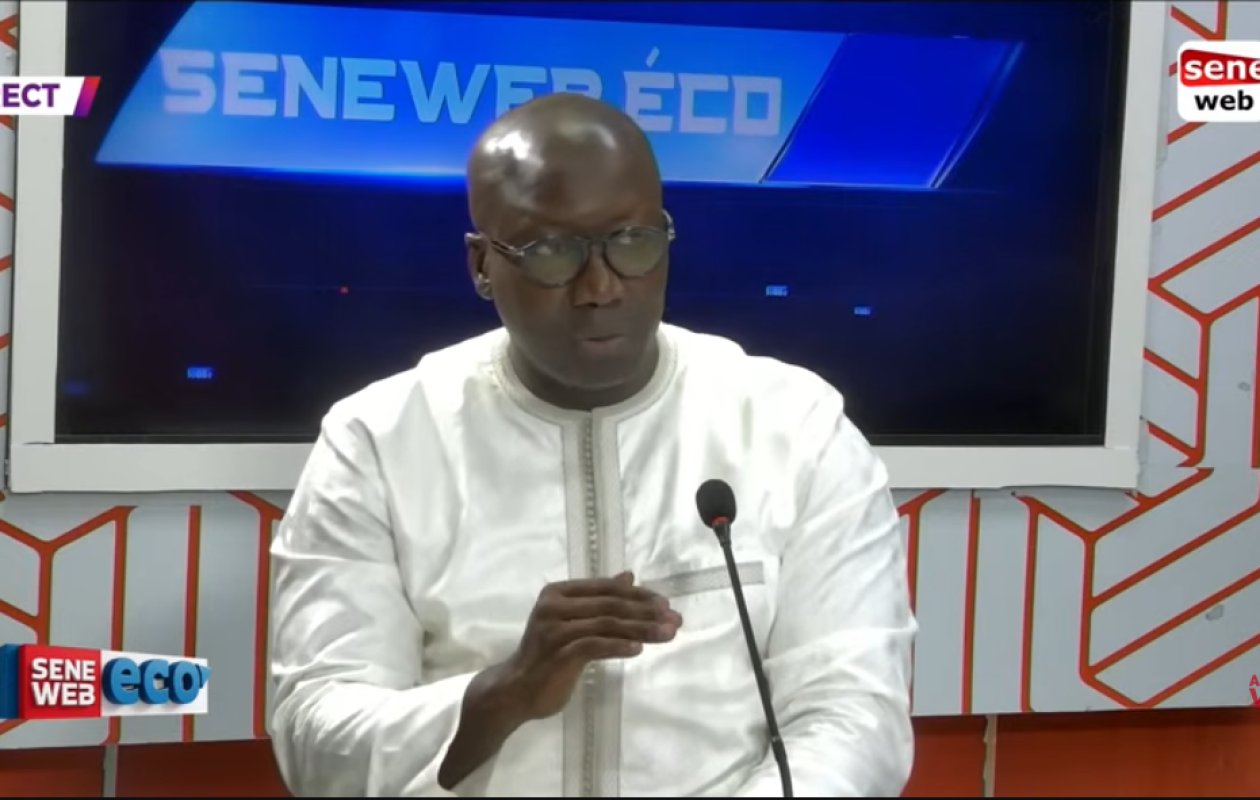
Babacar Sembène sur la régulation des marchés : « On ne produit pas si l’on n’est pas sûr de vendre »
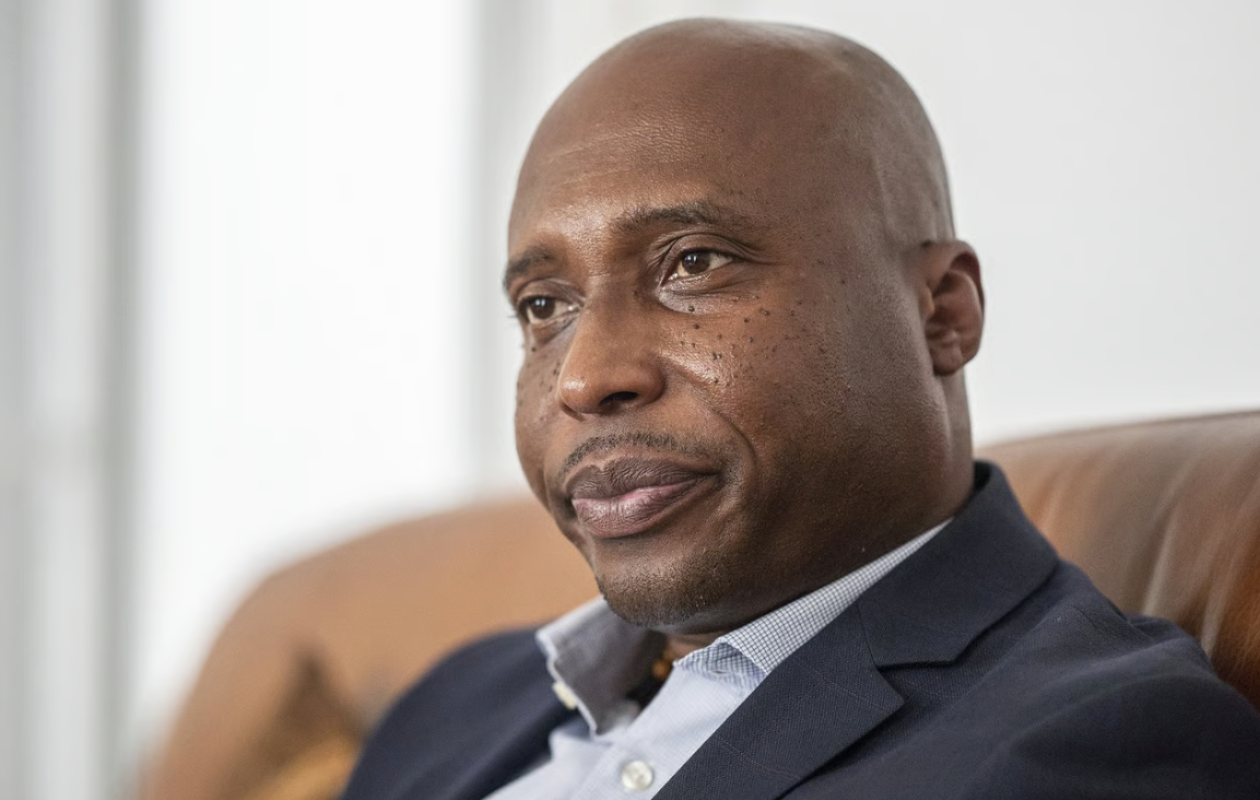
Invited to Seneweb Eco yesterday, February 1, 2026, the Director General of the Market Regulation Agency (ARM) defended regulation as a central lever for agricultural development in Senegal. According to Babacar Sembène, the progress made in several sectors is inextricably linked to the implementation of mechanisms aimed at providing security for stakeholders, particularly producers.
For the Director General of the ARM, regulation is not limited to a simple question of price control. It primarily responds to an imperative of trust.
"It's discouraging to produce and not sell, or to sell at prices that are not profitable. Regulation primarily serves to reassure the producer," he said.
He emphasizes that the onion sector illustrates the positive impact of this policy. "In 2005, onion production was around 40,000 tons. Today, we are at nearly 450,000 tons. This increase is not a coincidence," Babacar Sembène points out.
According to him, this performance is essentially based on the trust established with producers. "When the producer knows that there is a framework and a guarantee of sale for his production, he invests more, improves his practices and increases volumes," he explains.
Beyond production, regulation also plays a key role in organizing relationships between producers, traders, and consumers, in a context marked by strong seasonal fluctuations. "Regulation is about managing balance. We must protect the producer while taking into account the consumer's purchasing power," insists the Director General of the ARM, believing that this approach contributes to the sustainable structuring of agricultural value chains. "When stakeholders are reassured year after year, they increase production because they know that the product will reach the market and be sold under acceptable conditions."
Babacar Sembène also emphasized the considerable social importance of agriculture in the Senegalese economy, despite its still limited contribution to national wealth. "Around 60% of the working population is employed in agriculture, but the sector contributes less than 15% to GDP. This shows that there is enormous untapped potential."

















Commentaires (1)
Participer à la Discussion
Règles de la communauté :
💡 Astuce : Utilisez des emojis depuis votre téléphone ou le module emoji ci-dessous. Cliquez sur GIF pour ajouter un GIF animé. Collez un lien X/Twitter, TikTok ou Instagram pour l'afficher automatiquement.