VIH au Sénégal : La stigmatisation menace la riposte malgré des investissements colossaux
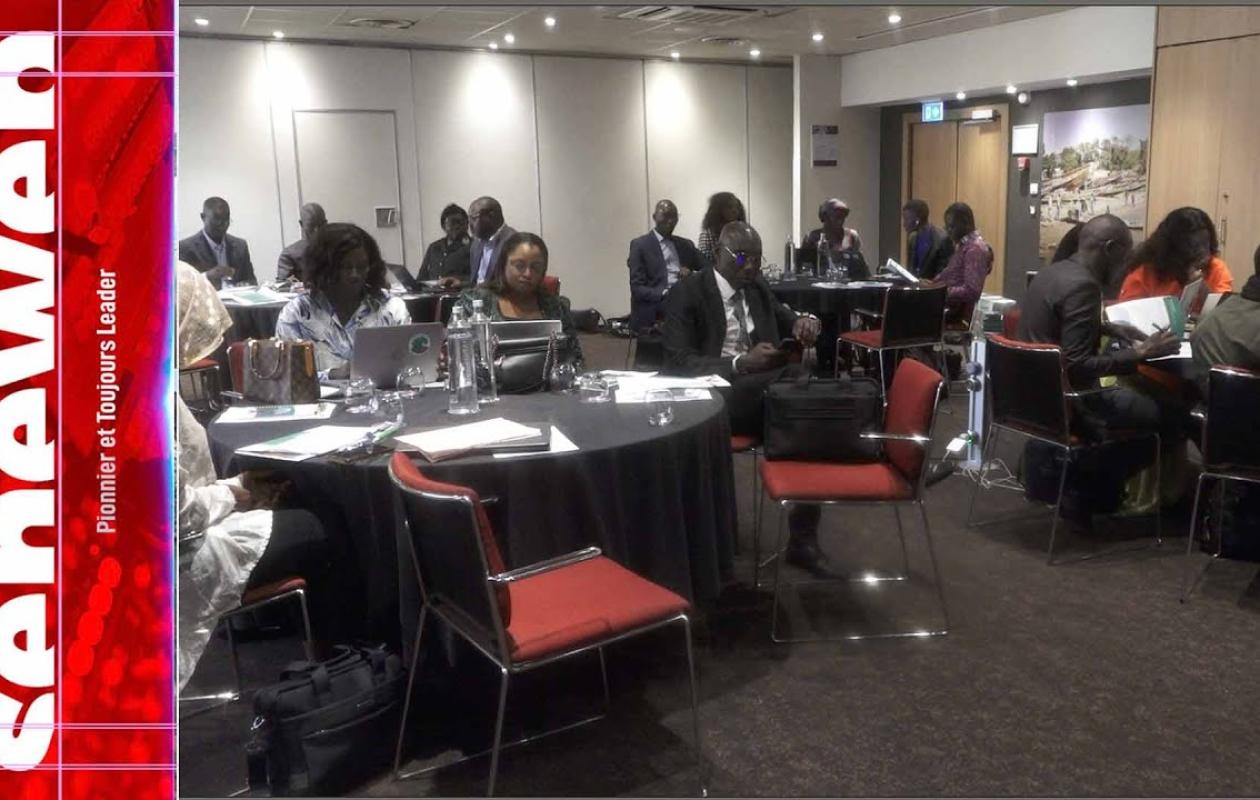
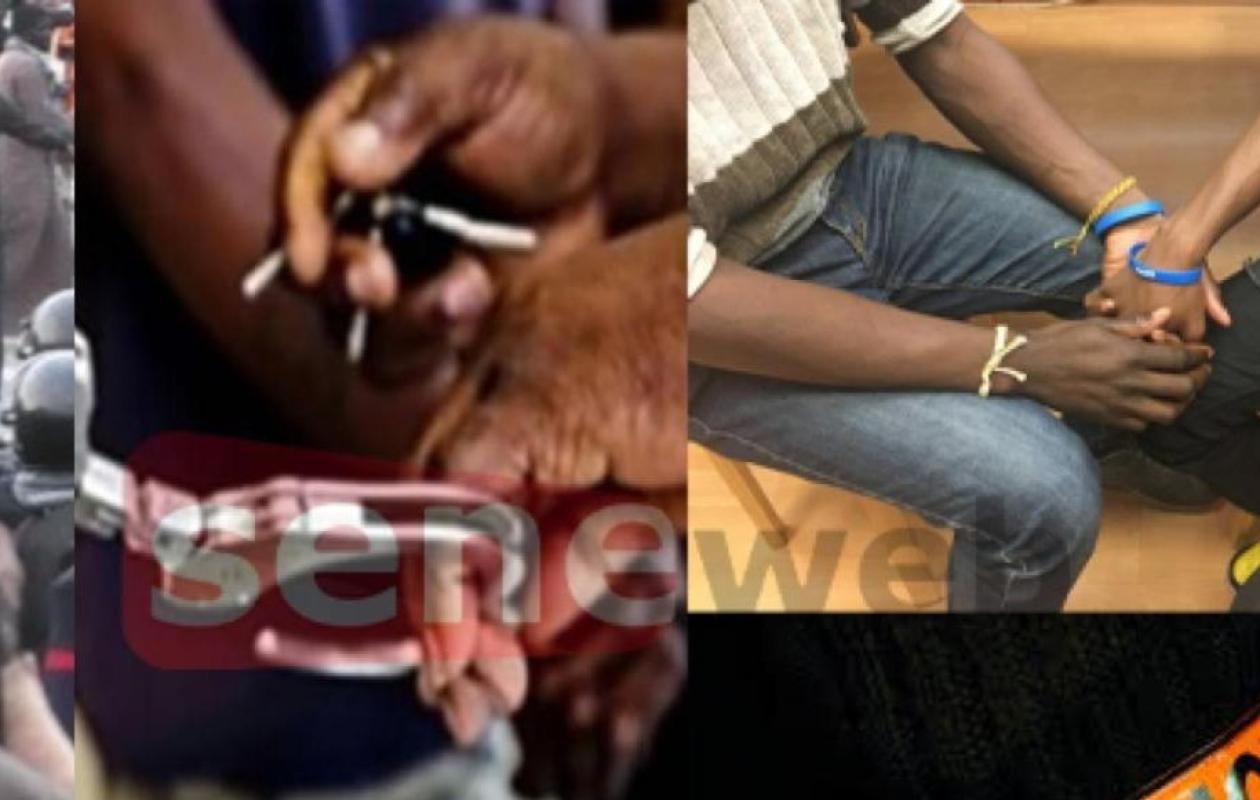
Despite significant progress and substantial investments from the government and its partners, the fight against HIV in Senegal remains severely hampered by stigma, discrimination, and human rights violations, particularly against key and vulnerable populations. This was the main conclusion of a meeting organized this Tuesday, February 3rd, in Dakar by the National Alliance of Communities for Health (ANCS).
This meeting was marked by the presentation of the findings of the 2023–2025 report on human rights violations in the fight against HIV and by the official establishment of the Monitoring and Alert Committee (COVA), accompanied by the signing of its charter. This is a major initiative aimed at creating a social and institutional environment conducive to interventions targeting the most vulnerable populations.
A worrying epidemiological context
In Senegal, the HIV epidemic remains concentrated. While prevalence remains low in the general population, it has reached alarming levels among certain key groups. According to the data presented, the prevalence rate among men who have sex with men (MSM) has increased from 27.6% in 2017 to 45% in 2024, a rise considered extremely concerning. Sex workers and people who inject drugs also have rates significantly higher than the national average.
"Today in Senegal, nearly 47,700 people are living with HIV, including 25,000 women, which shows a worrying feminization of the epidemic. We also have around 2,000 children, with a significant gap in their care," revealed Débia Dia, legal officer and permanent secretary of COVA.
Services available, but a hostile environment
For Mame Mor Fall, program manager at ANCS, the main challenge is no longer the absence of services, but the social environment in which these services are offered.
"The state has made enormous sacrifices with colossal investments and a strong decentralization of health services. But unfortunately, the environment is not favorable. Key populations are heavily stigmatized, discriminated against and this creates a real fear of frequenting health facilities," he explains.
This stigmatization also affects community actors working with these populations.
"The mere fact of working with penalized communities exposes us, too, to stigmatization. This is what we call compartmentalization," laments Mame Mor Fall.
Human rights, the Achilles' heel of the response
Although Senegal has a legal framework that condemns all discrimination based on health status, violations persist. They occur in healthcare facilities, within families, in the community, but also in workplaces and educational settings.
According to the report presented, these violations constitute a major obstacle to access to care, jeopardizing the achievement of national and international objectives, including the commitment to end HIV by 2030.
"If nothing changes, we clearly risk not reaching this objective. Stigmatization and discrimination remain the main causes of the 15% gap observed in the first '95' of the care cascade, particularly screening," warns Débia Dia.
The Monitoring and Alert Committee, a strategic tool
The creation of COVA responds to an urgent need to structure responses to threats, violence and violations suffered by key populations and response actors.
"This report is not intended to fuel legal proceedings, but to serve as an advocacy tool with health, administrative and political authorities. If these issues are not taken seriously, we are headed for disaster," emphasizes Mame Mor Fall.
Indeed, this committee aims to anticipate risks, document violations, strengthen intersectoral consultation and propose concrete recommendations for a more protective and inclusive environment.
Recommendations: Place human dignity at the heart of the response
To sustainably overcome stigma and discrimination, COVA recommends: the establishment of HIV services that respect human rights and the dignity of individuals; the strengthening of community awareness; and the continuous improvement of the quality of reception and care for people living with HIV and vulnerable populations.
A crucial fight to guarantee the right to health for all, an essential condition for the elimination of HIV in Senegal.















Commentaires (1)
J ai personnellement le sentiment que les responsables de la lutte contre le sida ne sont presque plus sur le terrain.
C est comme s il n y avais plus de sida au Sénégal. Et les gens ne cessent de dire que la prévalence du sida au Sénégal reste faible, ce qui est totalement faux. Il suffit de comparer le Sénégal avec les pays qui ont une prévalence faible pour s en rendre compte.
En tout, en ayant un soit disant économiste de la santé a la tête de la division de lutte contre le sida, les autorités actuelles semblent emprunter la mauvaise voie pour bien lutter contre le Sida.
Participer à la Discussion
Règles de la communauté :
💡 Astuce : Utilisez des emojis depuis votre téléphone ou le module emoji ci-dessous. Cliquez sur GIF pour ajouter un GIF animé. Collez un lien X/Twitter, TikTok ou Instagram pour l'afficher automatiquement.