Mali: colère et incompréhension des Bamakois face au manque d’électricité
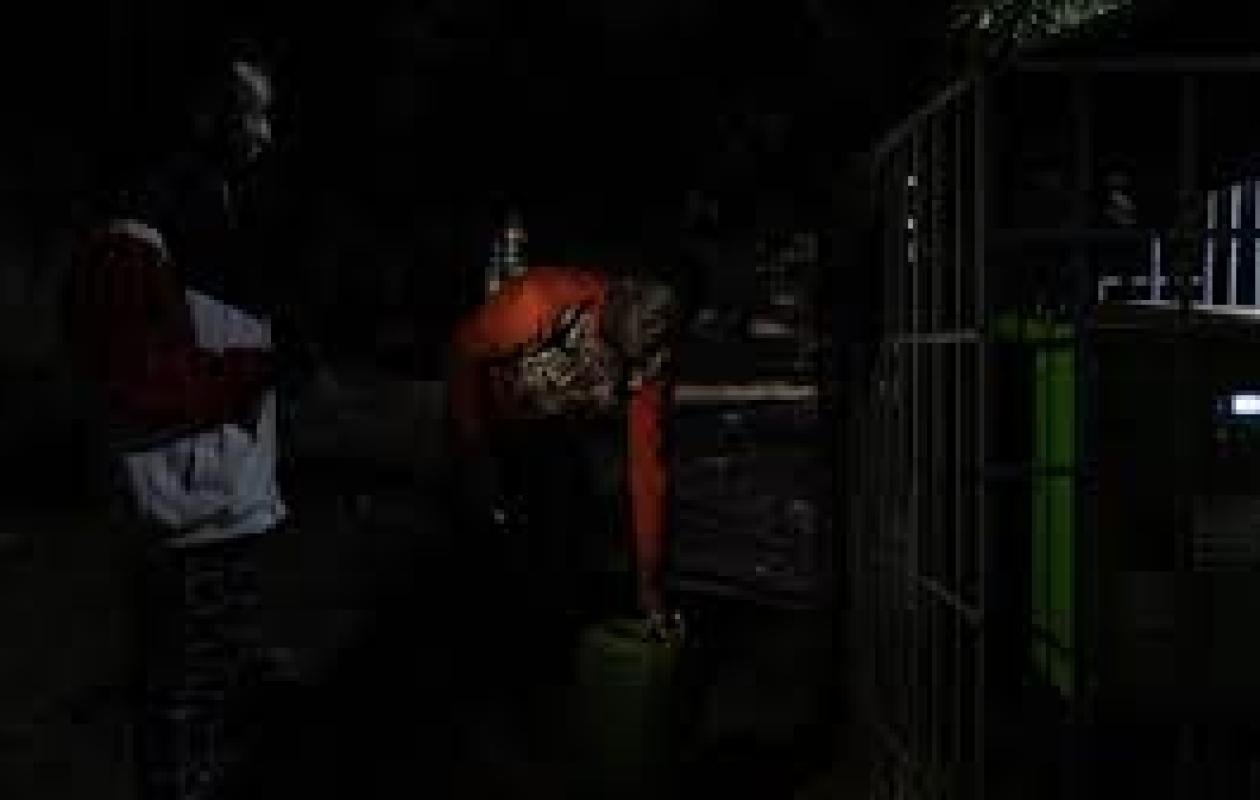
In Mali, residents of Bamako have had only a few hours of electricity per day since the beginning of the week. While the fuel shortage orchestrated by the JNIM jihadists has been affecting the entire country since September, these massive power outages are adding to their daily struggles and provoking both incomprehension and anger among the capital's residents. For their safety, the anonymity of those speaking out is being preserved.
We're not even talking about power cuts anymore: the absence of electricity has become the norm. Bamako residents now receive only two to five hours of power per day – a little more in the more affluent neighborhoods, but nothing for over twenty-four hours for the less fortunate.
Waking up after midnight to work
Ibrahim and his family are facing the situation, not without frustration: "Currently, we have between three and a half and four and a half hours of electricity per day, which is not enough."
“We have rechargeable lamps that we use very often at night,” explains Ibrahim. “And since my wife sews and the electricity often comes on late at night, she has to wake up after midnight to be able to work. We don’t understand it. According to the authorities, tanker trucks are able to enter Bamako and we have fuel. But so far, we don’t know why it’s like this.”
Recurring problem
Unscheduled power cuts are a recurring problem. Two and a half years ago, when the cuts reached record levels, the transitional authorities pointed to the "mismanagement" of EDM (Energie du Mali), the public electricity supply company, and justified the power cuts by thefts of tanker trucks (Malian electricity is mainly produced from hydrocarbons).
In January 2024, a former Minister of Energy and several EDM executives were even charged and imprisoned, accused of embezzlement - after several months of detention, Seydou Lamine Traoré and his co-accused were provisionally released pending their trial.
Taxes and resilience
Furthermore, since last March, the transitional authorities have been levying new taxes on telephone services (credit top-ups, money transfers, etc.), intended to finance new infrastructure and improve energy supply.
Yacouba, another resident of the capital, also doesn't hide his anger: "I've been without electricity for at least 24 hours. We have no fuel, no electricity, it's difficult! What I can't understand," this Bamako resident continues, "is that they're asking me to pay taxes [on telephone services, editor's note]. We pay for every transaction we make, but they can't seem to resolve the situation. What's really going on? This isn't right. We're suffering a lot. It's too much!"
The most optimistic hope that the problem is only temporary and want to show "resilience", as demanded by the military who have been in power for more than five years.
Others fear that the situation will continue to deteriorate.
At this stage, neither the state-owned company EDM nor the transitional authorities have officially commented on the matter.


![[Billet d’humour] Diomaye Président : Mbour, le test qui interroge](https://image.seneweb.com/content/news/2026-19-10//thumb_1260x800_6a008342c328b_0bscHsJLlN.jpeg)








Commentaires (5)
Ah les farceurs , même les maliens ne veulent pas rester au Mali .
C est honnête ce sont des grands économistes penseurs organisateurs du top quoi !!!
Le régime dictateur d obéissance communiste va mettre le pays en retard
Participer à la Discussion
Règles de la communauté :
💡 Astuce : Utilisez des emojis depuis votre téléphone ou le module emoji ci-dessous. Cliquez sur GIF pour ajouter un GIF animé. Collez un lien X/Twitter, TikTok ou Instagram pour l'afficher automatiquement.