Infrastructures numériques et connectivité universelle : KPMG et les acteurs posent le débat crucial
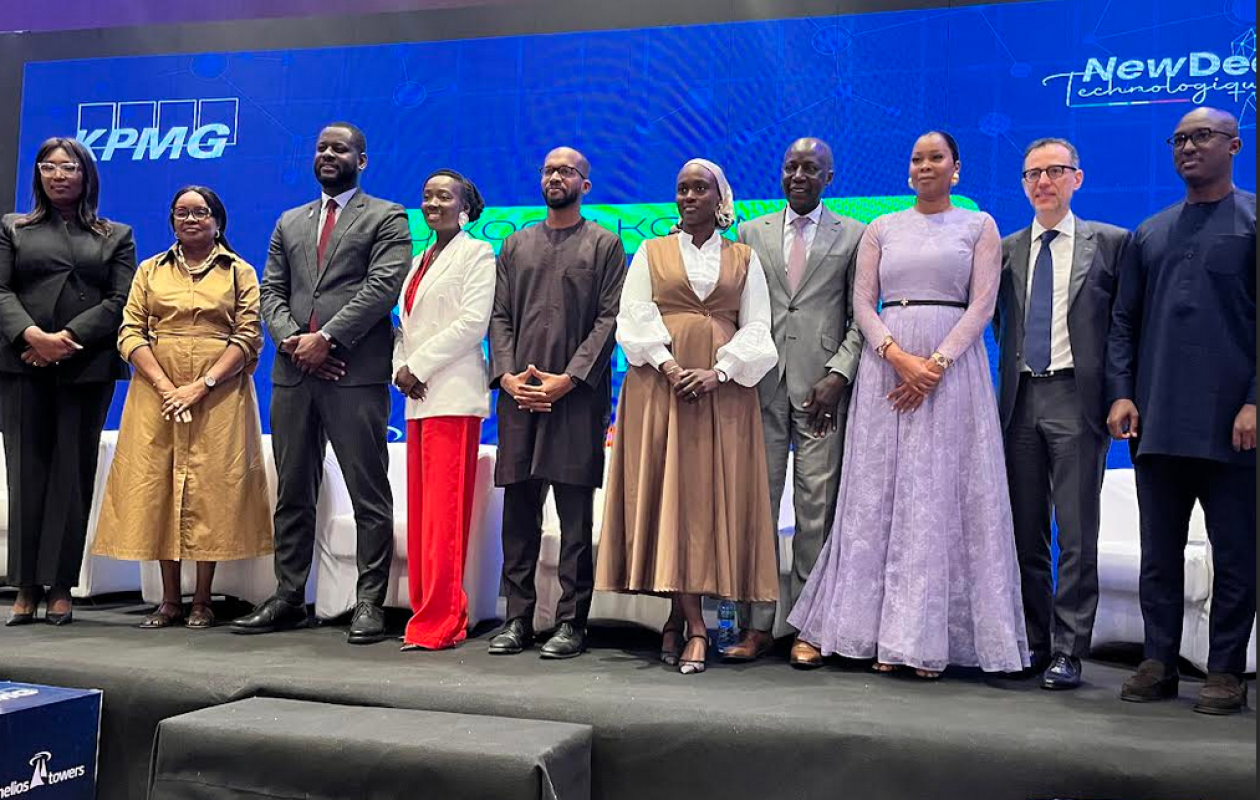
Key players in the telecommunications and digital economy sectors were brought together by KPMG for a forum on the theme: “Digital Infrastructure and Universal Connectivity: Challenges, Models, and Perspectives.” The event, held on February 5th, provided a platform for sharing ideas among stakeholders from both the public and private sectors who drive the digital revolution in Senegal.
“Today’s theme is centered around the digital sector, given its importance in the economy and in the New Deal for technology. We thought it was very relevant today to bring together the stakeholders, telecom operators, the regulator, the various companies, to exchange ideas on digital infrastructure models that would enable access to and accelerate universal connectivity,” explained Ndeye Fatou Touré, Partner at KPMG.
For Meissa Tall, Head of KPMG Africa, the aim was to bring together the operators (Sonatel, Expresso and Yas) and other important players such as Tower companies, in order to “discuss the key issue of connectivity so that all Senegalese, throughout the territory, can have access to digital services”.
The device, the energy... the prerequisites
During the discussions, several issues were addressed. The participants primarily outlined the constraints that needed to be addressed. "We're talking about coverage and investment. That's very important. But we must keep in mind that there are other parameters to consider that will facilitate use. And to ensure use, there are two main factors: access to the device, which is crucial, and energy. We can't talk about connectivity without electricity," emphasized Fatou Sow Kane, Managing Director of Expresso Senegal.
The head of the Yas company, Hanafi Cissé, emphasized that in terms of price, Senegal is one of the least expensive countries in Africa. However, he believes the challenge lies in going further. "We want to do more, and we will do more. To do this, we really need to look at the entire chain. To be able to invest, we need a framework, and we need to make that framework more efficient," he said.
Mr. Cissé did not shy away from the obstacles hindering the sector: "We talked about energy, I'll come back to that. We talked about devices, we talked about taxation. The GSMA report mentioned it. Senegal needs to be able to reach the same level as other countries. And I think we still need to do more. And the more this framework is put in place, the more visibility there will be in the medium term for these investments, the more incentive it will be, the easier it will be," he said.
A plea for pooling resources
For her part, Fatoumata Mbaye, CEO of Helios Towers, focused on the crucial issue of infrastructure sharing. Referring to a study published by the IFC in 2025, she emphasized that in countries where digital infrastructure sharing is most prevalent, "the effects on connectivity are significant." This is why her company is currently working with operators, promoting resource sharing. "The goal is to make all towers shareable. Therefore, we host between two and three operators on our towers," Ms. Mbaye explained.
Mamadou Bousso, Sonatel's Marketing Director, focused on the investments made by his company to improve the level and quality of its infrastructure. "Today, if we talk about the technological mix for mobile 2G, 3G, and 4G, we have practically 99% of the population covered. As for 5G, we are currently the only operator to have deployed it. So we cover almost 40% of the population," he stated.
The regulator is listening
On the “very high fixed broadband” network, Mr. Bousso states that Sonatel, which currently has more than 200,000 connections, is counting on fiber to have, by 2028, nearly 2 million connections available nationwide, in urban, peri-urban and even rural areas.
The Director General of the Telecommunications and Postal Regulatory Agency (ARTP) participated in the meeting. He assured that the authority remains open to all recommendations arising from these discussions. “Together with all stakeholders, we will be able to determine the best way to implement these recommendations to achieve the universal coverage objective set by the highest authorities,” he said.










Commentaires (2)
Participer à la Discussion
Règles de la communauté :
💡 Astuce : Utilisez des emojis depuis votre téléphone ou le module emoji ci-dessous. Cliquez sur GIF pour ajouter un GIF animé. Collez un lien X/Twitter, TikTok ou Instagram pour l'afficher automatiquement.