Réforme des bourses : oser un langage de vérité
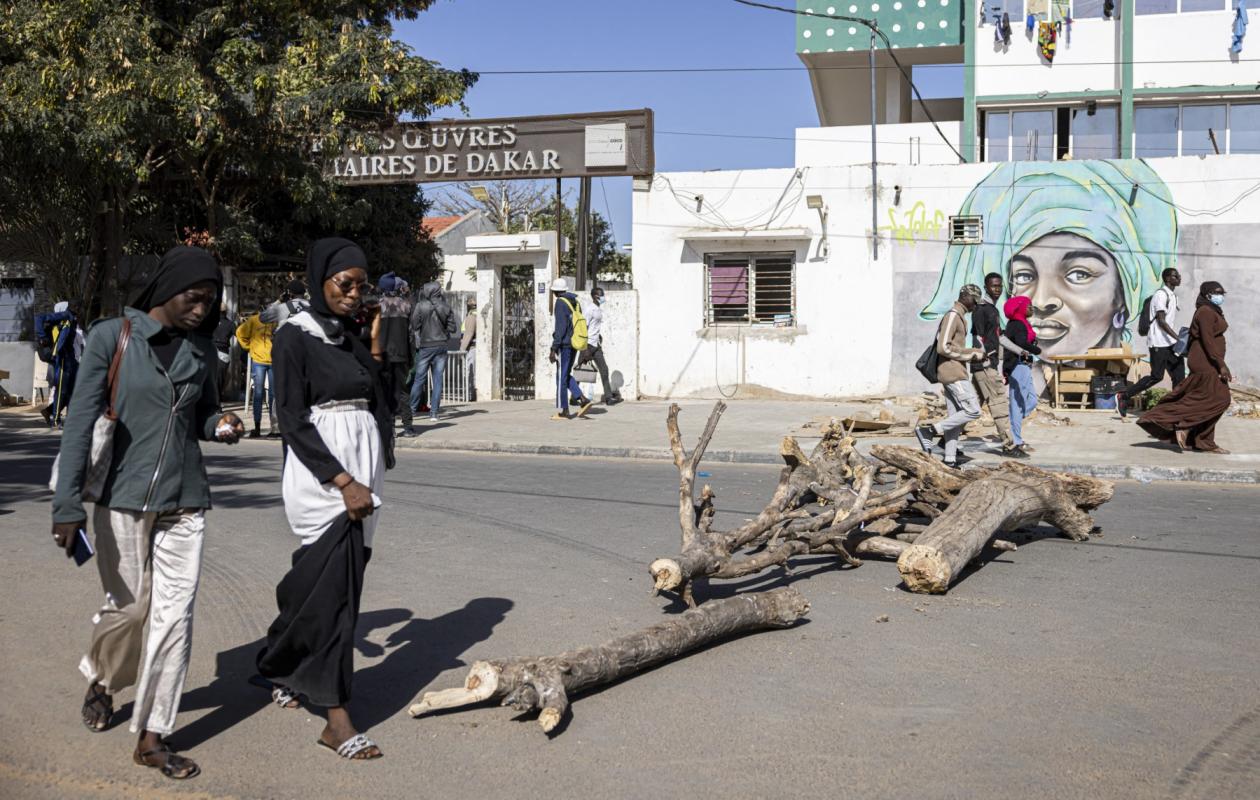
The government has initiated discussions on a new scholarship policy. But barely had the talks begun when the student representatives boycotted the proceedings. The reason given was that "the spirit of the meeting was aimed at drastically reducing students' achievements." The National Federation of Students of Senegal accuses the government of wanting to eliminate back payments. This stance by the students demonstrates how sensitive the issue of scholarships remains, a Gordian knot that is difficult to untangle.
However, we must face the facts. According to government figures, 90 billion was spent during the 2024-2025 academic year, not including foreign scholarships. To address the recent crisis, nearly 4 billion was mobilized. These figures, which continue to rise, demonstrate the urgent need to tackle this issue. But doing so requires courage, telling the truth, and not playing with words. In a press release, the government seeks to clarify certain points, including its intention to eliminate back payments.
To defend itself, the Ministry of Higher Education claims to be working "to align the payment period for student grants with the actual period for organizing classes." Given that the end-of-year back payments correspond to the three months of vacation, it's easy to see that one of the results of the reform will be the elimination of these back payments. Why not take responsibility for this decision instead of engaging in semantic acrobatics? This scholarship reform project requires considerable courage and a frank approach.
Today, many students receiving grants are not attending university. They are enrolled in private schools. Some combine both, using their grant to pay part of their tuition or cover other expenses, such as transportation. It is time to state clearly that this money is not intended to pay for or facilitate private education. This is an opportunity to define new criteria with conditions that would allow for the withdrawal of grants mid-academic year, if necessary.
Paid training in public universities
But the problem of the private sector isn't limited to private training schools; it also exists at the university level and in public institutions in general. Indeed, higher education is increasingly being privatized. Many public schools and institutes admit a relatively small number of students through competitive entrance exams. Then, they select a large pool of students for fee-paying programs. And some of these students receive scholarships from the Senegalese government.
The time has come to resolve this question: is a tuition-based student at a public school or university entitled to a scholarship? In other words, should there be different treatment for a student at a private training institution compared to a tuition-based (and therefore private) student at a public institution? This rampant privatization even seems to undermine the university application process for high school graduates through Campusen. Indeed, a new graduate who was previously ineligible for university placement can now access university through a tuition-based program and receive a scholarship, effectively circumventing Campusen.
Furthermore, the new scholarship policy should also draw inspiration from sectors like water and energy, where the aim is to alleviate the burden on the poor and let the wealthy foot their bills. Instead of awarding scholarships to everyone or focusing solely on academic excellence, consideration could also be given to family circumstances. While this may be a challenging task, it can also help reduce costs if implemented effectively.
The foreign stock exchange
One last point, and a crucial one: foreign scholarships. Herein lies a fundamental question: what is their purpose? Before awarding a scholarship to a Senegalese student, the state must clearly state the precise objective it aims to achieve through this funding. It is obvious that we can no longer continue to grant foreign scholarships to someone simply because they passed their baccalaureate exams with honors. African countries have already sufficiently financed the development of other countries through this mechanism.
When a scholarship is awarded, it must be aligned with the country's needs, and provisions must be made for the recipient to repay this "debt" to the taxpayer. Otherwise, Senegal will continue to finance the brain drain. Even the newly created preparatory schools must be questioned about their purpose. If the goal is simply to send our children to Western engineering schools only for them to never return, it would be a waste. As for other citizens who leave using their own resources, before applying for a scholarship, they have demonstrated that they have the means to cover their education without public funds, at least some of them have.
In short, the government will have to do meticulous work if it wants to lighten the burden. It must hunt down all loopholes, but also take responsibility and be able to hold firm. Such a reform will not be without its challenges.























Commentaires (31)
Participer à la Discussion
Règles de la communauté :
💡 Astuce : Utilisez des emojis depuis votre téléphone ou le module emoji ci-dessous. Cliquez sur GIF pour ajouter un GIF animé. Collez un lien X/Twitter, TikTok ou Instagram pour l'afficher automatiquement.